GTA 5 Mod Adds Flock Surveillance Cameras So Players Can Blow Them Up
Built to highlight real-life surveillance, the mod includes 235 virtual cameras that you can destroy for in-game cash.
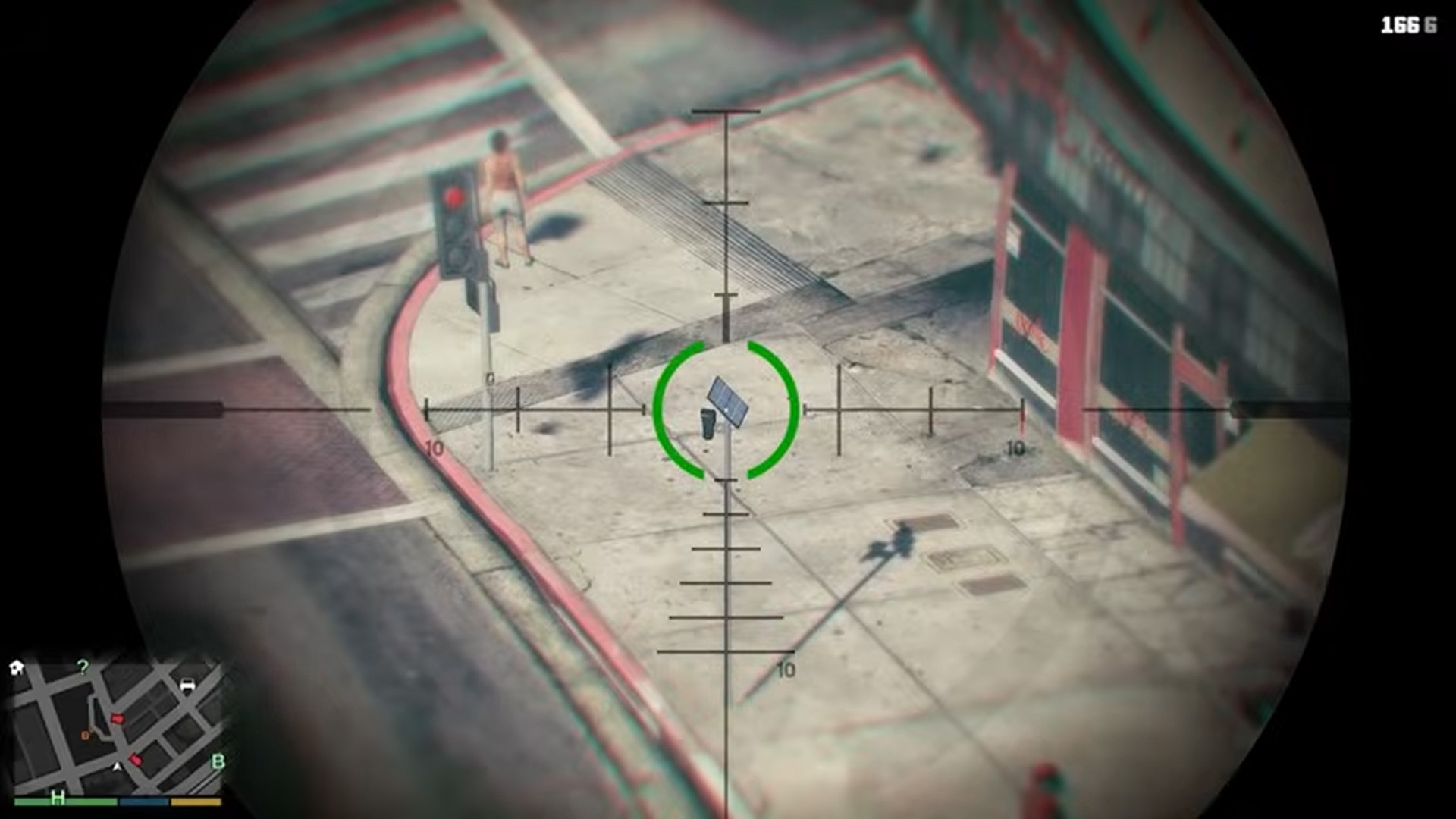
A new Grand Theft Auto 5 mod called Grand Theft Automated License Plate Reader lets players track down and destroy 235 Flock license plate-reading cameras in the game's fictional city of Los Santos, modeled after Los Angeles. Created by Morry Kolman, the mod translates real-world opposition to the Flock surveillance network into an in-game experience, where players can earn $600 for each camera they dismantle.
The cameras, which take pictures of players and track their movements, report crimes committed by players to police and occasionally file false reports. Players can also save images from the cameras for social media or wallpapers. The mod aims to give players a sense of the difficulty in evading police surveillance and highlights the inaccurate reporting of the Flock cameras.
With over 10 times more cameras than Los Angeles County, the mod serves as a reality check on privacy concerns in real life.
Written by urgent.news from CNET's reporting — not their text. Machine-written — may contain errors; check the original before relying on it.