Global trade at risk as Houthis capture Red Sea chokepoint under Iranian guidance
Yemen says Iran-backed Houthis seized Bab el-Mandab; Tehran reportedly supplied Yemeni rebels with money, weapons and commanders; senior Israeli official calls it a 'negative development' but stresses: 'If we are not attacked, we will not intervene'
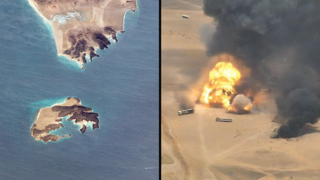
On September 13, Yemen's Houthis have rapidly expanded their control, capturing the strategic Bab al-Mandab Strait, marking a significant rise in their influence within the Middle East's network of Iran-backed groups. Previously seen as a secluded religious and military entity, the Houthis now oversee Yemen’s entire Red Sea coastline and a substantial portion of the northern region, encompassing the capital Sanaa.
As members of the Zaidi community, a minority sect within predominantly Sunni Yemen, the Houthis emerged as a response to alleged sectarian discrimination against the Zaidis, predominantly residing in the impoverished northern areas. Known as Ansar Allah (Supporters of God), the movement is named after its late spiritual leader, Badreddin al-Houthi, and his son, Hussein, who was assassinated by Yemeni government forces in 2004.
Following Hussein’s demise, Abdulmalik took charge, igniting his group from a secluded faction in the northwest to the ruling power in Sanaa and a prominent regional player. Currently, the Houthi forces command tens of thousands of well-trained, resilient fighters, adept at navigating Yemen’s rugged, mountainous landscapes. Their caretaker prime minister, Mohammed Ahmed Miftah, addressed the public on September 12, detailing their growing influence.
The Houthis hold sway over regions where the majority of Yemen’s inhabitants reside, although the internationally recognized government still maintains control over a larger territory. The group's arsenal includes missiles and drones, posing a threat not only to Yemen's oil-rich Gulf neighbors but also to Israel, which has faced repeated Houthi attacks since the commencement of the Gaza war.
Over the past few decades, the Houthis have waged six wars against Yemen's previous government, including a military conflict with Saudi Arabia in 2009-2010 following their incursion into the nation. They also participated in protests leading to the removal of former ruler Ali Abdullah Saleh in 2012, during the wave of Arab Spring demonstrations.
However, they later forged an alliance with Saleh before clashing once more and eliminating him in 2017. Their most significant move came when they seized Sanaa in 2014, triggering a Saudi-led intervention in March 2015, followed by a devastating civil war that resulted in hundreds of thousands of deaths and a severe humanitarian crisis.
In 2022, a truce was reached with the Saudi-backed government, yet the Houthis retained control over a vast portion of the country’s northern territories. The group, which later engaged in attacks on ships in the Red Sea attributed to Israel, demanding support for Palestinians during the Gaza war, has further fortified their position.
In March, the Houthis allied with Iran, launching drone and missile strikes against Israel without causing significant damage. Despite their close ties to Iran, the Houthis have managed to maintain a level of independence, relying primarily on Iran for military support. Their latest endeavor involves a major assault aimed at capturing the Bab al-Mandab Strait, which they successfully accomplished in September, augmenting their control over navigation and enabling them to target Saudi tankers with greater efficacy.
Written by urgent.news from Malay Mail's reporting — not their text. Machine-written — may contain errors; check the original before relying on it.
This story
This is one outlet's version. Read the fullest account.
- How the Houthis went from Yemen’s fringes to controlling a global chokepoint malaymail.com
- Iran-backed Houthis in Yemen claim new attacks on Saudi Arabia koreatimes.co.kr
- Iran-backed Houthis in Yemen claim new attacks on Saudi Arabia pbs.org
- Iran-backed Houthis in Yemen claim new attacks on Saudi Arabia winnipegfreepress.com