Global bonds fall as surging oil prices inflame inflation risks
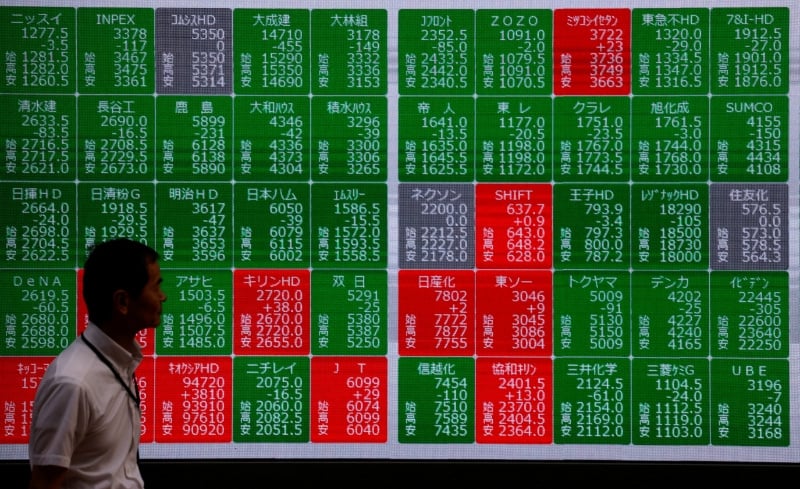
Global bond yields surged to record highs on Friday as skyrocketing oil prices sparked concerns about escalating inflation risks, causing stock markets to plummet. Oil prices surged by 6%, with Brent crude futures reaching a four-month peak of $109.97 a barrel. The disruption of oil flows through the Strait of Hormuz, due to ongoing attacks between the U.S. and Iran, as well as the takeover of Yemen's Mocha port by Iran-aligned Houthis, threatened Saudi oil exports in the Red Sea.
Analysts at RBC Capital Markets noted that Brent could potentially reach $121.99 by the end of the quarter, prompting markets to reckon with the risk of a prolonged conflict.
The fallout from these events prompted President Donald Trump to warn that the war might extend beyond the November midterm elections, further heightening inflation worries. Consequently, bond yields climbed globally, with the 10-year Treasury yields inching closer to the crucial 5% mark. Meanwhile, Japan's 30-year bond hit the highest level since 2007, and two-year yields rose by 12 basis points overnight, as investors bet on the Federal Reserve raising interest rates this month to curb inflation, which currently stands at a 68% probability.
Asian bonds experienced a sharp decline on Friday, with Australia's three-year government bond yields surging 17 basis points to a 15-year high of 5.037%. Japan's 10-year government bond yields increased by 5.5 basis points to 2.965%. Market analysts expect eight out of nine developed market central banks to hike rates between now and year-end, including the Federal Reserve, Bank of Japan, and all four major European central banks.
Canada was projected to be the sole exception. The tightening measures were anticipated to remain modest for now, but forecasts leaned towards more action due to robust growth, persistent core inflation, and heightened commodity price pressures.
The surge in oil prices intensified the pressure on U.S. consumer price data for August, which could either confirm or disprove the likelihood of a Federal Reserve rate hike next week. Forecasts were centered on a 0.2% monthly increase in the core Consumer Price Index (CPI), although risks leaned toward a higher figure as the Producer Price Index (PPI) data indicated some price stickiness.
Higher bond yields raised discount rates used for corporate valuations, leading to losses in Asian stocks. Australia's resources-driven stocks slipped 1%, Japan's Nikkei fell 2.8%, and South Korea's KOSPI dropped 2.7%. Nasdaq futures declined by 0.2%, while S&P 500 futures remained relatively unchanged. The U.S. dollar strengthened as Treasury yields rose, gaining 0.4% overnight against its major counterparts, and remained steady at 99.06.
In commodity markets, gold settled at $4,317 an ounce after falling nearly 2% overnight, failing to capitalize on some safe-haven demand.
Written by urgent.news from Investing.com's reporting — not their text. Machine-written — may contain errors; check the original before relying on it.
This story
This is one outlet's version. Read the fullest account.
- Global bonds buckle as surging oil prices inflame inflation risks brecorder.com
- Global Market Today: Asian stocks, bonds fall on oil, inflation concern economictimes.indiatimes.com
- Global bonds buckle as surging oil prices inflame inflation risks nst.com.my
- Global bonds fall as surging oil prices inflame inflation risks straitstimes.com
- Global bonds fall as surging oil prices inflame inflation risks channelnewsasia.com

