ECB Puts Europe Back on the Rate-Hike Treadmill
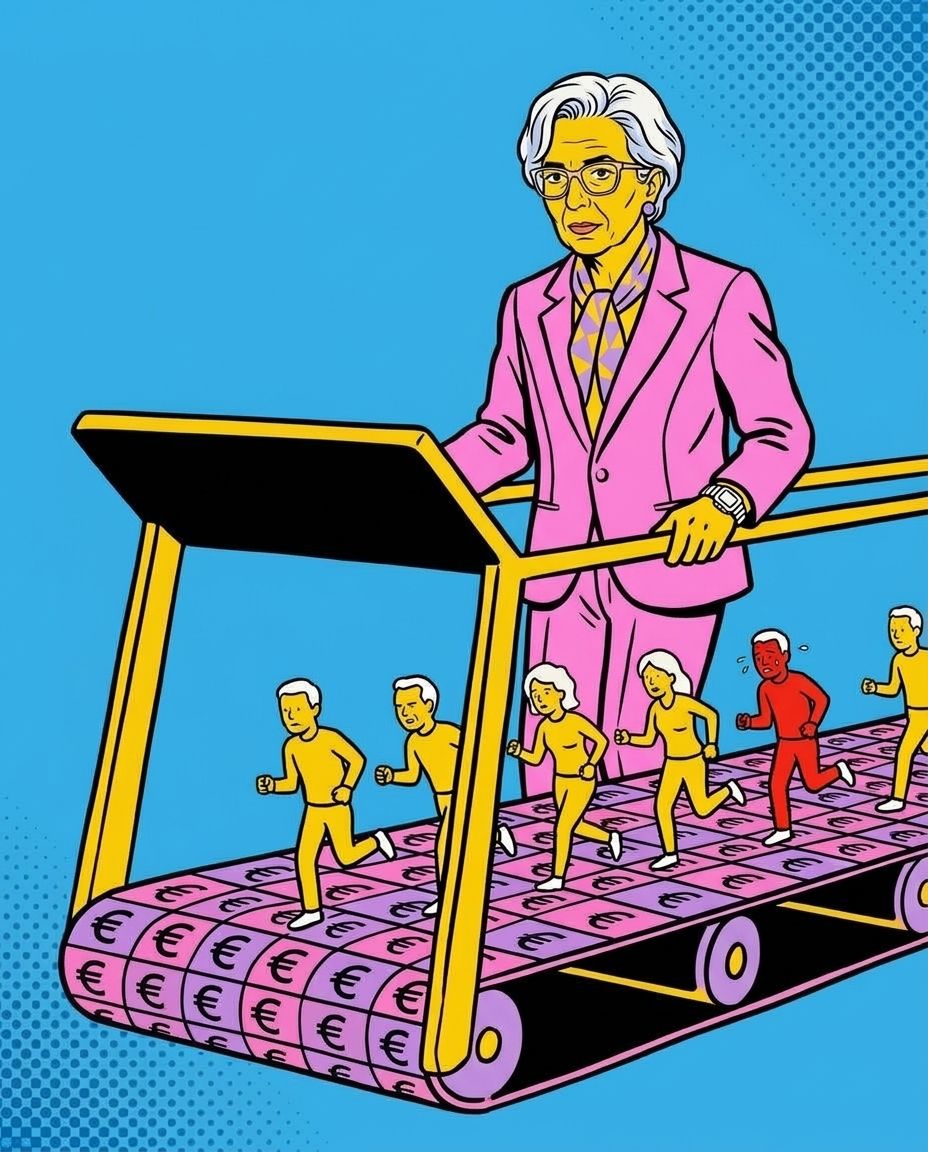
The European Central Bank has resumed its rate-hike campaign, raising key interest rates and signaling further hikes may be on the horizon. The bank increased its deposit rate to 2.5%, the main refinancing rate to 2.65%, and the marginal lending rate to 2.9%, marking its second increase of 2026 following a June move. This decision comes as energy prices rise due to geopolitical tensions in the Middle East, pushing inflation above the ECB's 2% target.
The ECB now forecasts headline inflation to average 3% in 2026, 2.5% in 2027 and 2.1% in 2028, with underlying inflation expected to stay above target throughout the forecast period.
Economic growth remains resilient, with the ECB raising its forecast to 0.9% for 2026 and 1.4% for 2027. However, higher borrowing costs cannot stimulate oil production or alleviate geopolitical tensions, making it challenging to solve the inflation issue. The combination of higher rates and weaker economic growth is causing discomfort among markets, with the Stoxx 600 falling around 0.7% and the euro slipping.
Bond yields have climbed, reflecting expectations of sustained tightening. By the end of the week, equities had partially recovered, but bond markets remained cautious about potential further hikes.
The ECB's actions create a dilemma for investors, as Europe faces higher rates without the economic boost typically associated with aggressive policy. Banks may benefit from higher rates, while insurers and energy producers could also look attractive. Conversely, property companies, housebuilders, smaller businesses, and retailers face challenges due to increased financing costs and weaker consumer spending power.
The primary concern is that the ECB may extend the tightening cycle as energy prices ease activity, leading to stubborn inflation and economic contraction. Markets are divided on whether another rate hike will occur in October, with some expecting the deposit rate to reach 3% by Christmas. Oil prices are the most significant factor, as a sustained rise above $100 a barrel would hinder transport, manufacturing, and household energy costs.
Policymakers will closely monitor energy markets to gauge the inflation situation and make informed decisions.
Written by urgent.news from Yahoo Finance's reporting — not their text. Machine-written — may contain errors; check the original before relying on it.

