Abelardo de la Espriella Announces Dismantling of All Peace Talks with Armed Groups
By announcing this Friday, Sept. 11, that he was ending all dialogue processes and socio-legal spaces with ELN that had been inherited from the government of Gustavo Petro, Colombian President Abelardo de la Espriella provided a figure that also served as an argument to support that decision, which he presented with a blunt phrase: “The […]
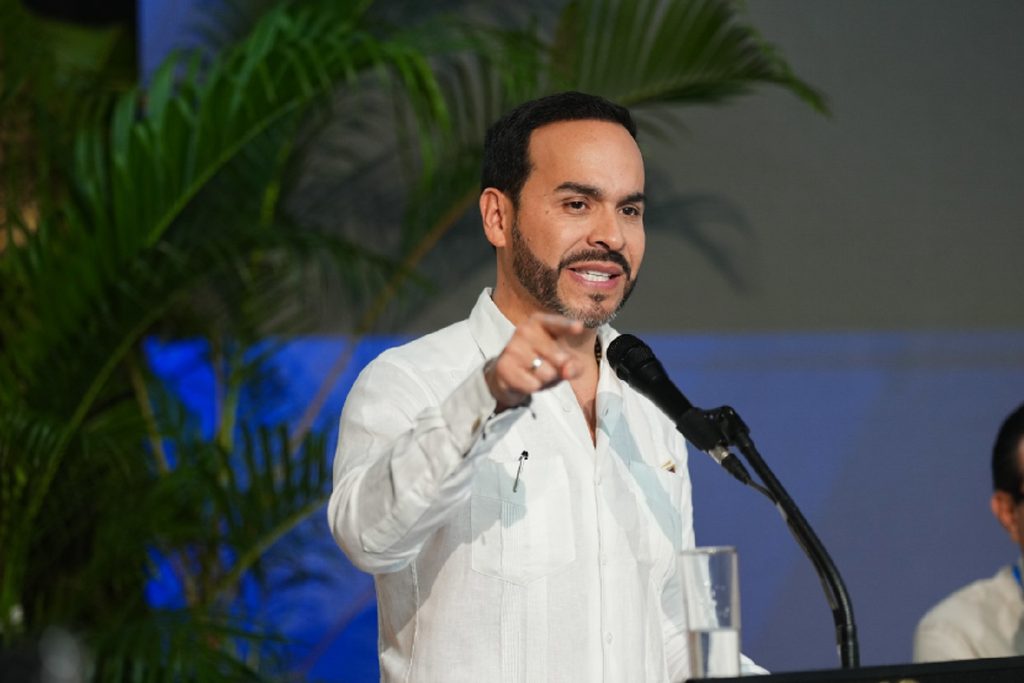
Colombian President Abelardo de la Espriella announced on September 11 that he was terminating all peace talks and socio-legal spaces with armed groups, effectively ending the peace process inherited from the previous government of Gustavo Petro. According to the president, the four-year peace policy had resulted in significant waste, with over 7 billion pesos (US$2.2 million) spent on negotiators, spokespeople, and representatives, all of whom were found to have contributed to terrorism, bloodshed, and corruption.
De la Espriella criticized the negotiators, including Parmenio Cuellar Bastidas, Alvaro Jimenez Millan, Feliciano Valencia, and Gloria Cecilia Quiceno, for their role in perpetuating violence and corruption. He emphasized that the false peace was over and that true peace could only be achieved through submission to justice or facing the legitimate force of the republic.
The presidency later clarified that the reported figure did not include expenses related to security details, travel allowances, or other public resources. This decision was made despite the fact that criminal organizations continued to strengthen their positions and commit violent acts, with the Ideas for Peace Foundation reporting a 90% increase in illegal armed group members since 2022.
De la Espriella stated that in his administration, criminals would face no political status, considerations, or impunity. The government revoked the designation of national government representatives at the negotiating table with the ELN, Frente Raul Reyes blocs, Ejercito Bolivariano, Frente Guerrillero Comuneros del Sur, and the National Liberation Army.
All dialogue tables and socio-legal spaces were closed, including negotiations with Conquistadores Autodefensas of the Sierra Nevada, criminal structures in Medellin and the Aburra Valley, Quibdo, and Buenaventura. The president also lifted the Temporary Location Zone of Valle del Guamuez in Putumayo. The government's rationale behind these measures was that the existing mechanisms had failed to demonstrate progress in terms of peace, disarmament, or submission to justice.
The new administration will only engage with parties willing to lay down their arms and submit to justice, drawing a clear distinction between those who have surrendered and those who continue to pose a threat to the civilian population.
Written by urgent.news from Colombia One's reporting — not their text. Machine-written — may contain errors; check the original before relying on it.