Why fall of Yemen's historic coffee port Mokha matters
The Houthi seizure of Mokha is more than just another setback for Yemen’s internationally recognised government. The historic Red Sea port gives the Iran-backed militia a strategically important position about 75km from the Bab Al Mandeb strait. The Houthis first captured Mokha in November 2014 during a southern offensive months after they overran the capital, Sanaa. They used the port to move…
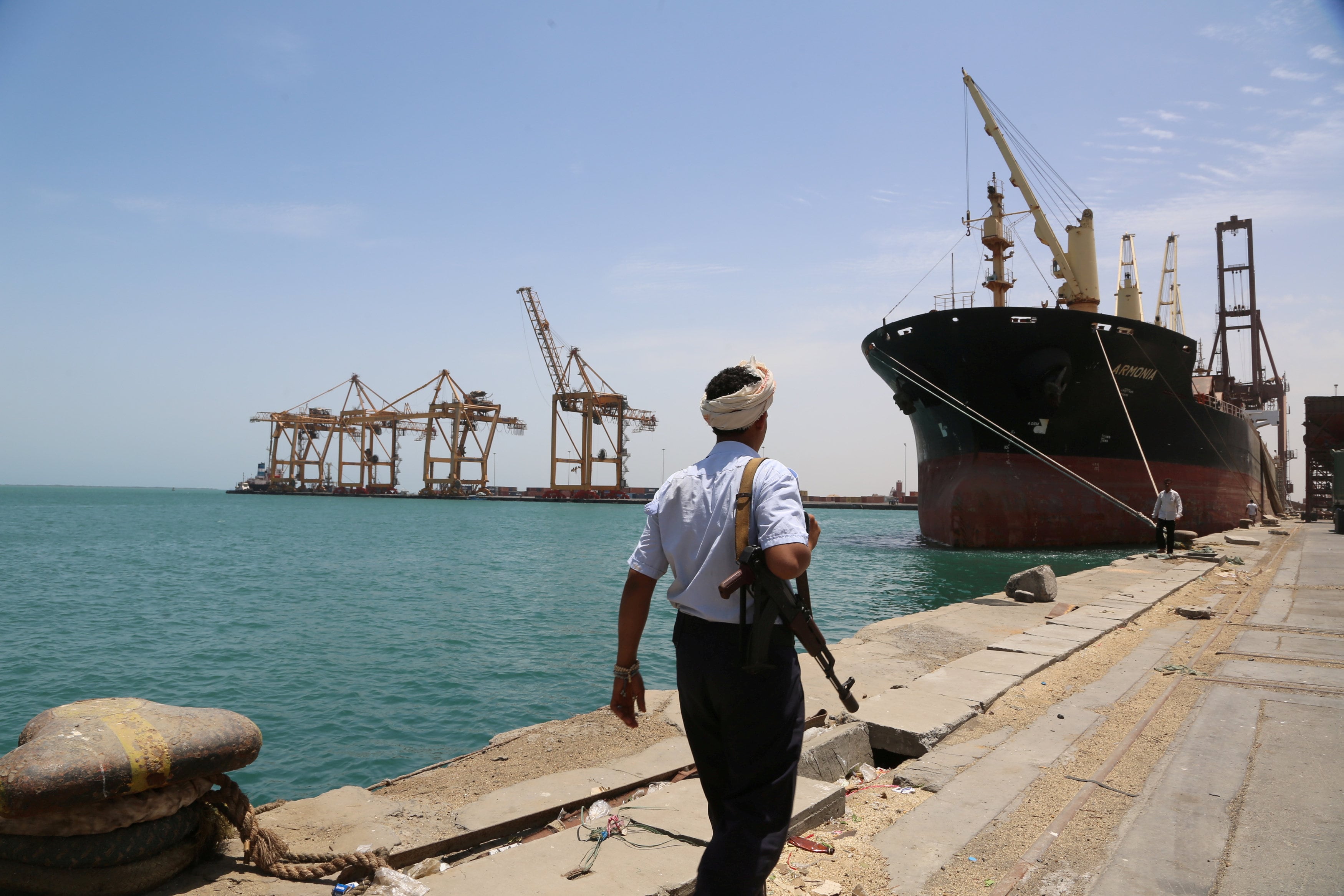
The fall of Yemen's historic coffee port, Mokha, is a significant loss for the internationally recognized government. This strategic Red Sea port is located approximately 75km from the Bab Al Mandeb strait. The Houthis, an Iran-backed militia, had captured Mokha in November 2014 and utilized it to transport weapons towards their northern strongholds. However, in January 2017, a Saudi-led military coalition expelled them from the port.
Renowned for centuries as a vital coffee trading center, Mokha's reputation for exporting Yemeni beans to markets from the Middle East to Europe made it synonymous with coffee. Presently, the port is still a crucial logistics hub despite its smaller capacity compared to Yemen's main Red Sea port, Hodeidah. It handles general cargo but is far less substantial than the port of Hodeidah.
The Bab Al Mandeb, also known as the "Gate of Tears," serves as the southern outlet of the Red Sea, separating Yemen from Djibouti and Eritrea. Due to its treacherous navigation conditions, it has earned this ominous name. This strategic waterway is vital for crude oil and fuel from the Gulf to reach the Mediterranean via the Suez Canal or the Sumed pipeline.
Though not directly controlled by the Houthis, capturing Mokha gives the rebels a stronger position and eliminates a significant logistics and operating base for their enemies in the south. Approximately 12% of global trade has traditionally traversed this narrow waterway.
However, in the current context of the war, Mokha's importance gains even greater significance with the Houthi's reported advance towards Dhubab, a location further south and closer to Bab Al Mandeb. The capture of Mokha now assumes added strategic importance in the larger context of the Iran war. The Strait of Hormuz, already severely strained, has become even more critical for trade and energy moving between the Gulf, Indian Ocean, Red Sea, and Suez Canal.
Mokha's importance, therefore, transcends its territorial gain alone, as its capture represents one of the most substantial victories for Iran's proxies since the war commenced on February 28. It also marks one of the Houthis' biggest strategic gains since the 2022 truce. The crucial question now is whether Mokha is a solitary triumph or the commencement of a broader Houthi push towards Dhubab and Bab Al Mandeb.
If the latter proves true, the implications of this victory could extend well beyond Yemen's ongoing conflict, posing an additional threat to an already disrupted global shipping route.
Written by urgent.news from The National UAE's reporting — not their text. Machine-written — may contain errors; check the original before relying on it.
This story
This is one outlet's version. Read the fullest account.
- Oil prices hit $105 per barrel as Houthis seize key Red Sea port thenationalnews.com
- Yemen's Houthis close in on Bab el-Mandeb Strait in new threat to shipping brecorder.com
- Saudi Arabia extends bus and goods transport compliance deadline to February 2027 arabianbusiness.com
- Pak faces tough choice as Saudi tensions escalate economictimes.indiatimes.com