Wholesale inflation stirred up by Iran war and high oil prices. What does it mean for the Fed?
Wholesale costs in the U.S. jumped again in August, flogged by higher gasoline prices, in the first of two inflation reports that will dictate if the Federal Reserve raises interest rates next week.

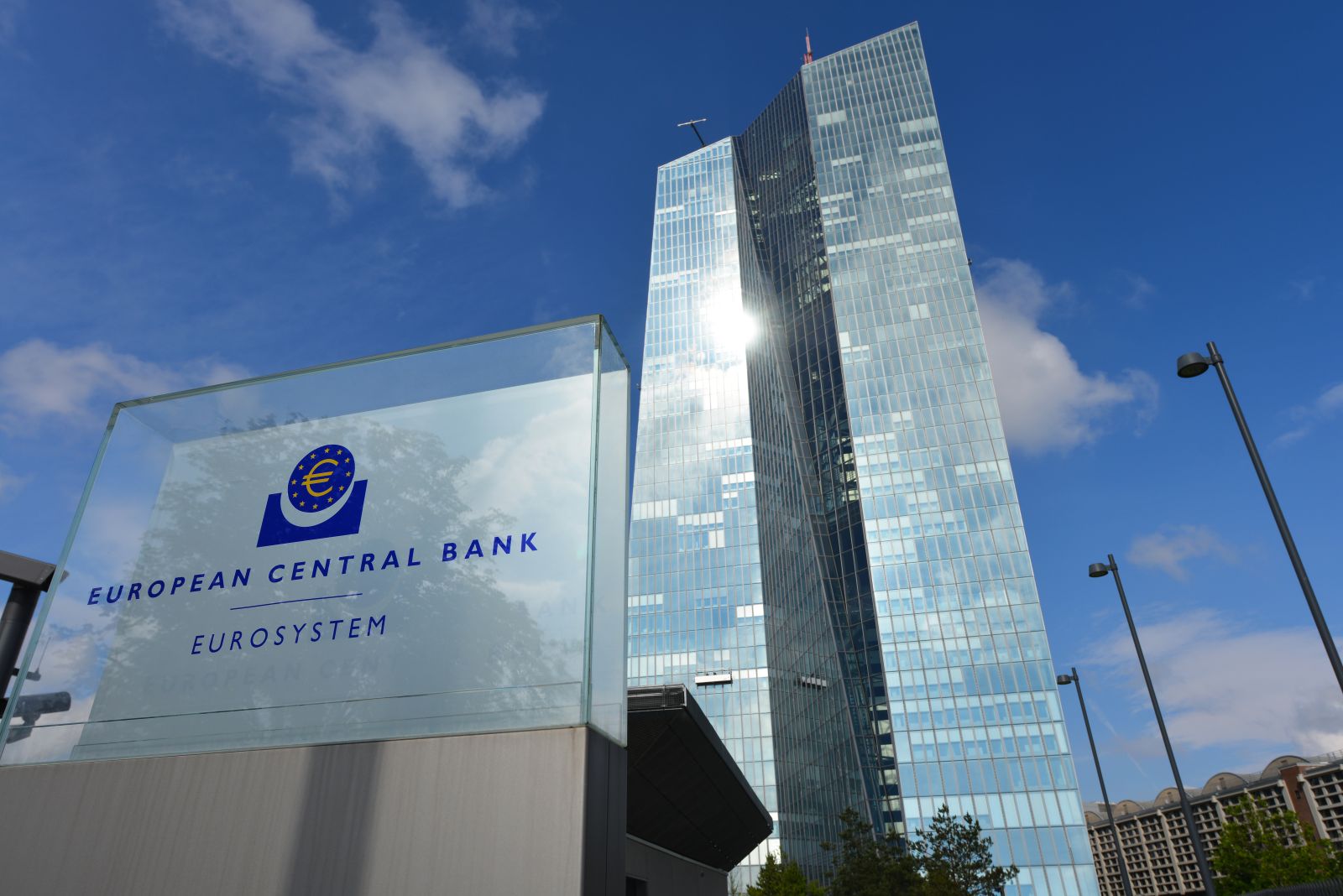
On September 10, the European Central Bank (ECB) increased interest rates for the second time this year, aiming to combat inflation fueled primarily by the Iran war. The euro remained stable at approximately $1.161, while European government bond yields surged to multi-year highs post-announcement. The two-year German bond yield reached around 3.072%, nearing its peak earlier in the day. The broader STOXX 600 index saw a slight decline of 0.5%.
European economist Marchel Alexandrovich emphasized that the ECB's decision is in line with expectations and hints at more rate hikes in upcoming meetings. Forecasts now project core inflation to sit at 2.3% in 2028, up from the June 2.2% projection, suggesting additional rate increases are likely to bring inflation back to the 2% target.
Aviva Investors head of rates, Ed Hutchinson, highlighted that the immediate focus for the ECB is addressing the inflationary situation, with more rate hikes likely. However, with two hikes already enacted and more than two more priced in, the market might have gone too far.
JPMorgan Private Bank macro investment strategist Patrick Ernst noted that another rate hike before the year's end is no longer a tail risk. The recent Middle East conflict has significantly boosted oil and gas prices, causing bond values to plummet and heightening expectations for further central bank tightening. The ECB maintained that the energy-driven inflation risk remains a concern, signaling that one hike is not the end.
Euro zone economist Conor Parle warned that higher gas and fuel prices will keep the ECB on high alert for broader price pressures. The recent heatwave and its impact on supply chains are expected to contribute to food inflation. Additionally, a slight rise in wage growth, as indicated by the Indeed wage tracker, will be closely monitored for early signs of second-round effects.
S&P Global Ratings chief EMEA economist Sylvain Broyer stressed that this rate hike is not merely a precautionary measure; the inflation outlook has worsened over the summer. Supply shocks are not only increasing but demand might also be contributing to inflation. Consequently, the ECB may need to adopt a more restrictive stance and is not ruling out additional rate hikes at this stage.
Written by urgent.news from Investing.com's reporting — not their text. Machine-written — may contain errors; check the original before relying on it.
This story
This is one outlet's version. Read the fullest account.
- ECB raises interest rates to 2.5% amid warning Iran war is fuelling inflation theguardian.com
- Wholesale inflation stirred up by Iran war and high oil prices. What does it mean for the Fed? marketwatch.com
- ECB hikes rates as Iran war adds to inflation angst investing.com
- ECB raises interest rates again amid Iran war inflation pressure finance.yahoo.com