VR headset shipments are down 18% compared to this time last year, and that may not be great news for Valve
I'd love to get my head in the game, but…
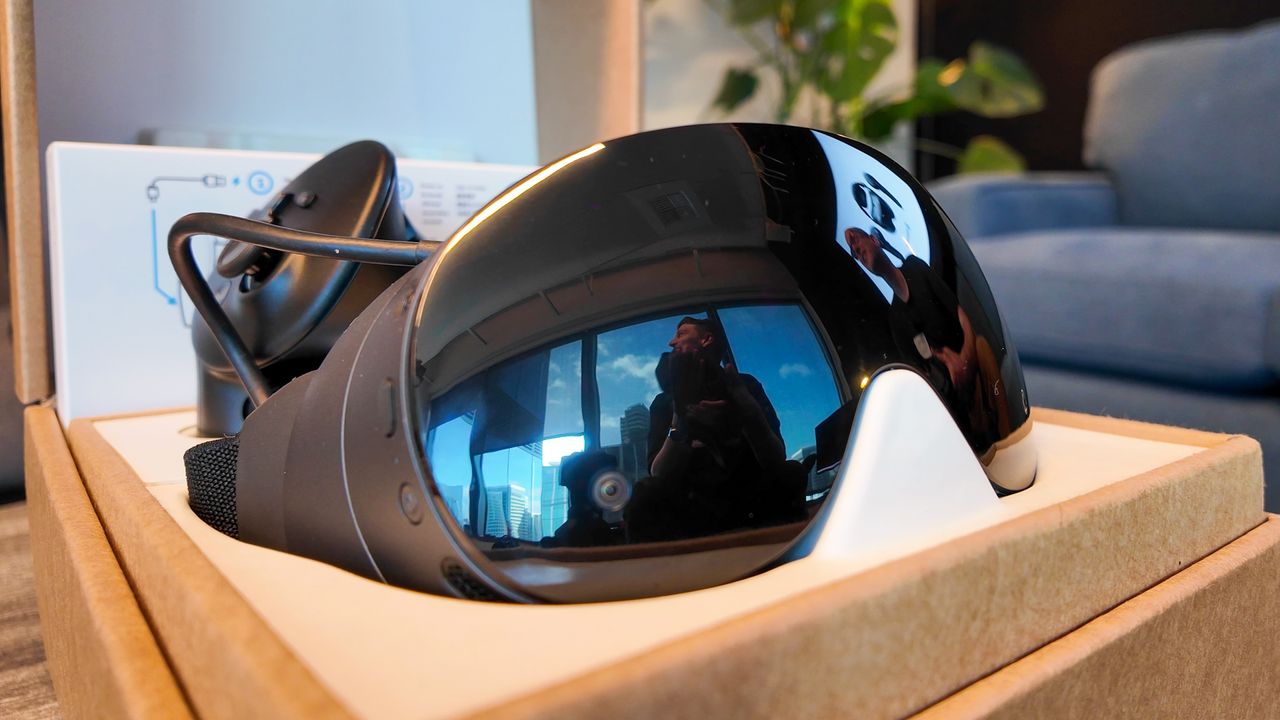
Global shipments of VR headsets decreased by 18% compared to the same period last year, according to recent data from Counterpoint Research. This decline may be concerning for Valve and its upcoming release of the Steam Frame VR headset. A lack of major game releases could be contributing to the reduced demand for VR headsets. Valve's Half-Life: Alyx, which has remained highly praised six years after its release, could serve as a key launch offering for the Steam Frame.
However, the market is facing pricing pressures, with Meta raising the prices of its Quest 3 and Quest 3S due to a memory supply crisis. Despite this, businesses and governments continue to find value in VR's digital twin and spatial computing capabilities, with demand expected to grow this year due to advancements in the robotics industry, particularly in China.
In contrast, AR devices have seen significant growth, with global shipments increasing by 138% year-on-year and 10% quarter-on-quarter in Q2 2026. Meta dominates the AR/VR OEM market, holding a 54% share. While Meta's smart glasses have faced privacy concerns, the company remains the largest player in the space outside of China.
Valve's VR offerings, including the Meta Quest 3 and Meta Quest 3S, are priced at $600 and $350 respectively, which may pose a challenge given the memory supply crisis. If Half-Life: Alyx remains the main launch offering for Valve's Steam Frame, its competitiveness may be questioned amidst the cooling VR market.
Written by urgent.news from PC Gamer's reporting — not their text. Machine-written — may contain errors; check the original before relying on it.