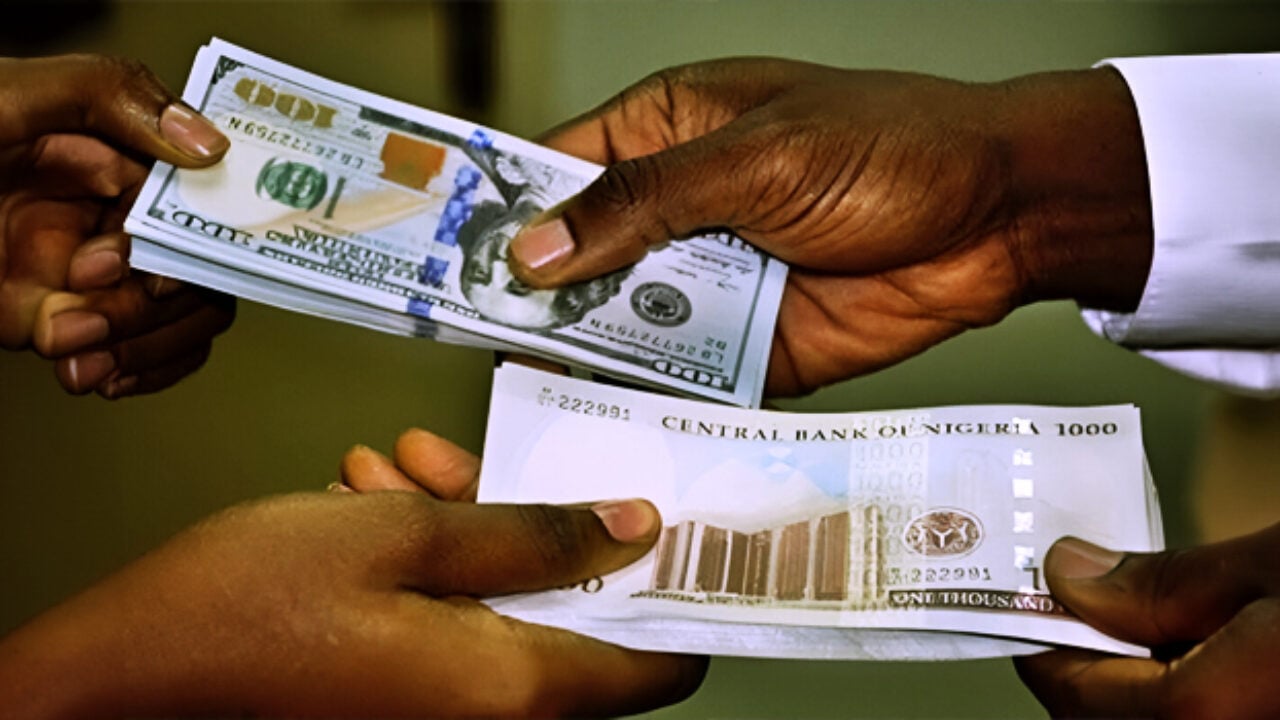
US wholesale inflation picks up as oil prices top $100
AgenciesWholesale inflation picked up last month after cooling earlier this summer as higher oil and gas prices stemming from the Iran war keep costs elevated. The Labor Department...
Wholesale inflation surged in August as higher oil and gas prices due to the Iran conflict added to costs, according to government data. The Labor Department's producer price index showed an 5.4% increase for the month, up from 4.8% the previous July. Annual wholesale inflation peaked at 5.9% in May, driven by the Iran war. On a monthly basis, wholesale prices rose 0.4% from July to August, after a 0.1% increase in June.
While inflation has eased recently, it remains high, affecting consumers who face more expensive goods and services. US oil prices breached $100 per barrel on Thursday due to renewed fighting in the Middle East, while President Trump intensified a trade war with Canada, suggesting tariffs could also raise costs. Rising prices pose a political issue for the Trump administration and Republican candidates ahead of mid-term elections.
In an admission on Wednesday, Trump said oil prices likely won't drop until after the mid-term elections, but added they will fall after November 3. Gasoline prices have climbed 44% since the US and Israel attacked Iran in late February, while diesel prices have rocketed 59% over the same period. Excluding volatile food and energy categories, core prices rose 0.2% from July to August, similar to the previous month.
Core prices rose 4.6% compared to a year ago, up from 4.2% in July, with energy prices driving last month's increase. Diesel surged 24.1% from July to August and nearly 78% from a year earlier. Other prices that increased include airfares, hospital care, and electronic components, fueled by heavy spending on AI data centers. Food prices rose by just 0.1% last month, potentially indicating cooling grocery costs.
Electric utility prices also declined. Thursday's figures are crucial as they may determine if the Federal Reserve raises its short-term interest rate at a meeting next week, as the data helps calculate the Fed's preferred inflation measure. The Fed's primary goals are to support maximum employment and combat inflation by keeping prices stable, raising borrowing costs to cool spending if necessary.
Fed chair Kevin Warsh indicated that the central bank needs to be confident that underlying inflation is moving toward its 2% objective, or it will need to take action. However, Fed governor Christopher Waller suggested keeping rates steady if Friday's consumer price index report shows cooling prices, as he is one of the 12 officials who vote on Fed rate decisions.
Written by urgent.news from Qatar Tribune Business's reporting — not their text. Machine-written — may contain errors; check the original before relying on it.