Trading Day: Inflation palpitations
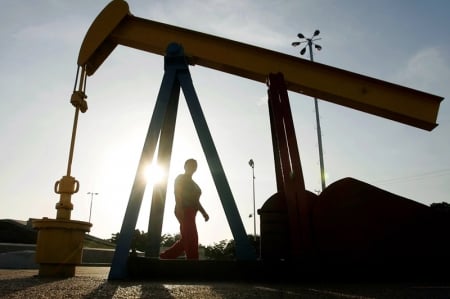
Global bond yields surged to record highs and U.S. and European stocks dropped on Thursday, as oil prices surged above $100 a barrel due to concerns about ongoing conflict in the Middle East. U.S. President Donald Trump added to market worries by pledging to pay every American $5,000 if his party secures a victory in the November midterm elections.
In this report, I examine the significance of Friday's U.S. CPI inflation data and its potential impact on Federal Reserve policy. If the data proves alarming, the Fed is likely to raise interest rates next week. The recent surge in oil prices, driven by increased attacks on shipping and fears of supply disruptions, contributed to the rise in bond yields.
Furthermore, President Trump's proposal to give every U.S. adult a $5,000 dividend if his party wins the midterm elections further fueled inflation concerns. European Central Bank raised interest rates for the second time this year in response to energy-driven inflation, hinting at potential further rate hikes as early as October.
U.S. Treasury Secretary Scott Bessent's support may help alleviate some of Trump's economic challenges, including the overvaluation of the dollar. The boom in corporate debt issuance by tech giants due to AI advancements may deepen market anomalies. On the stock market, Asia was mixed, while Europe and the UK fell by 0.6%. Dow and S&P 500 declined by 0.6% and 1%, respectively.
Nine sectors on the S&P 500 experienced losses, with Utilities and Materials falling by 1% and 1.5%. Baker Hughes and Freeport-McMoRan dropped by 6.5% and 6.5%, respectively. Apple saw a 3.5% increase. The dollar strengthened broadly, while the euro weakened following the ECB's rate hike. The U.S. 10-year Treasury yield reached new multi-decade highs, and the 30-year auction drew significant demand.
Inflation expectations have risen sharply, with one-year U.S. inflation swaps nearing 2.70%. Despite generally lowered consumer expectations since May, the median one-year outlooks from the University of Michigan and New York Fed surveys remain elevated at 3% or higher. The European Central Bank's decision to increase rates was deemed necessary by President Christine Lagarde, who also expressed concerns about the inflation's duration.
Market participants are increasingly pricing in three more quarter-percentage-rate hikes by the Fed by mid-year. However, raising rates in a period of strong growth and supply shock could prove challenging.
Written by urgent.news from Investing.com's reporting — not their text. Machine-written — may contain errors; check the original before relying on it.
This story
This is one outlet's version. Read the fullest account.
- Trading Day: Inflation palpitations channelnewsasia.com