Startups, Small Businesses Will Drive Job Creation In AI Era: Nandan Nilekani
As AI reshapes the nature of work and raises concerns about job displacement, startups and small businesses will become the…
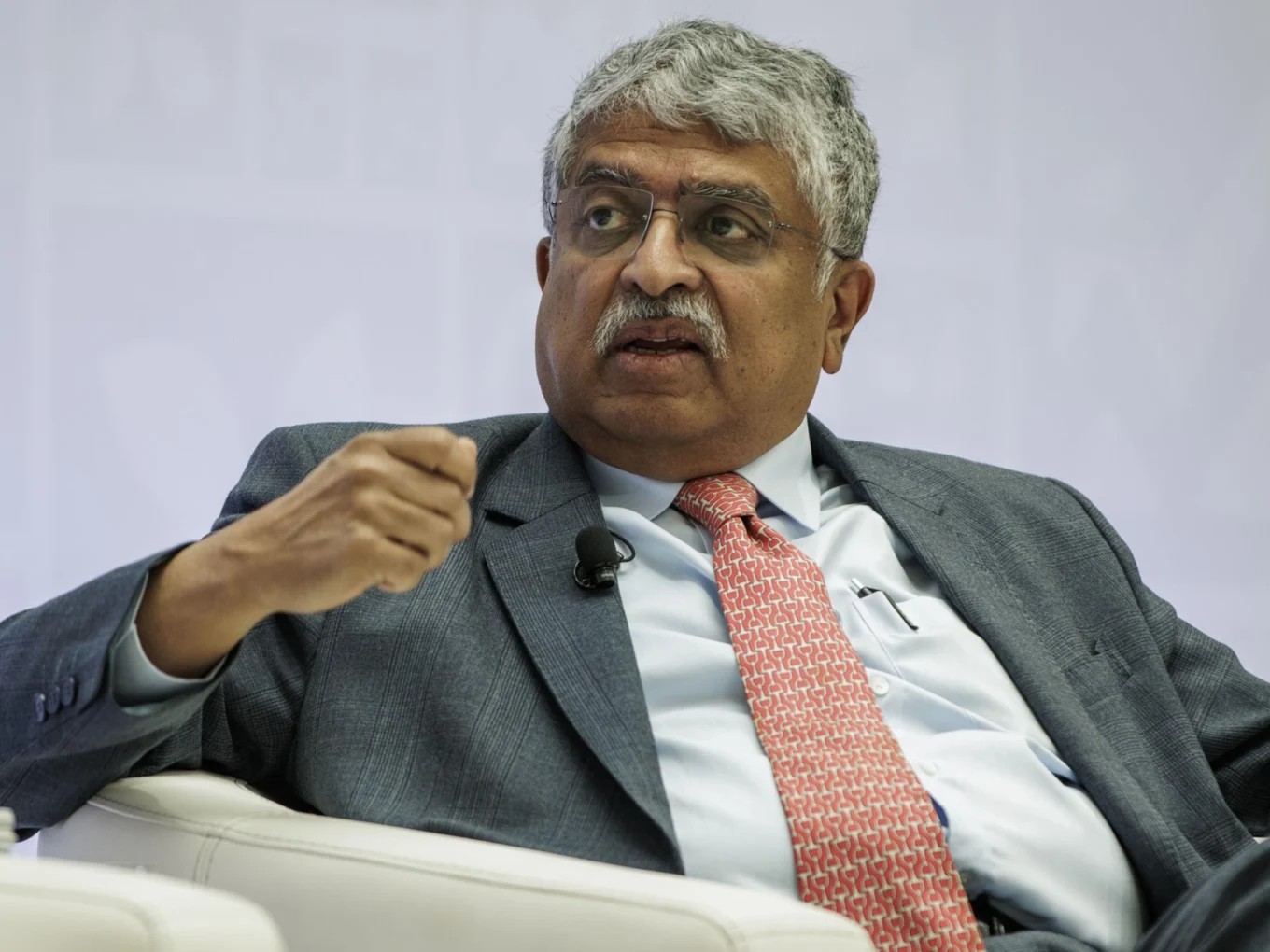
Infosys co-founder Nandan Nilekani predicts that startups and small businesses will be the primary drivers of job creation in the age of artificial intelligence (AI). He argues that large companies, with their structured roles and processes, are more prone to automate and reduce their workforce. Smaller businesses, however, have dynamic roles that are difficult to automate.
According to Nilekani, the rapid expansion of India's startup ecosystem - growing from about 10,000 startups in 2015 to approximately 1.5 lakh in 2025 - suggests that the number could reach 10 lakh by 2035. He envisions both the new startup world and the traditional business world becoming key employers in the future.
To facilitate this growth, Nilekani emphasizes the importance of technology in making it easier for small businesses to access capital, markets, and capabilities traditionally reserved for larger enterprises. He highlights the push for tokenisation, which has advanced from a conceptual idea to practical applications, with the Reserve Bank of India (RBI) and Securities and Exchange Board of India (SEBI) working on tokenised financial assets.
Tokenisation involves creating a digital representation of an asset that carries information about its attributes and governing rules, making the asset and information move together.
Nilekani points to three pilot projects developed using the Finternet architecture - an open and interoperable digital financial infrastructure. One pilot involves tokenising cattle to provide credit against the asset. Another pilot tokenises warehouse receipts, allowing portable tokens with smart contracts to standardise transactions. The third pilot focuses on tokenising loan documents across marketplaces to make them interoperable.
Nilekani believes that tokenised assets require interoperability and liquidity to become widely useful. AI agents could help create demand for these assets by executing transactions on behalf of businesses. For instance, an AI agent could convert an invoice into a token, identify potential lenders, and provide the asset to them. He concludes by stating that tokenisation, combined with AI agents, could give small businesses access to capabilities previously available only to large enterprises.
Written by urgent.news from Inc42's reporting — not their text. Machine-written — may contain errors; check the original before relying on it.
This story
This is one outlet's version. Read the fullest account.