Sharat Saxena Undergoes Standing MRI Ahead Of Lumbar Spine Surgery; Here's What The Scan Is And How It Works
Veteran actor Sharat Saxena recently shared a health update with his followers, revealing that he is preparing for lumbar spine surgery. On September 9, the actor posted multiple pictures from the hospital showing him undergoing a standing MRI at Bombay Hospital. Sharing the pictures on Instagram, Sharat wrote, “Standing MRI before lumbar spine surgery at Bombay Hospital.” In the images, the…
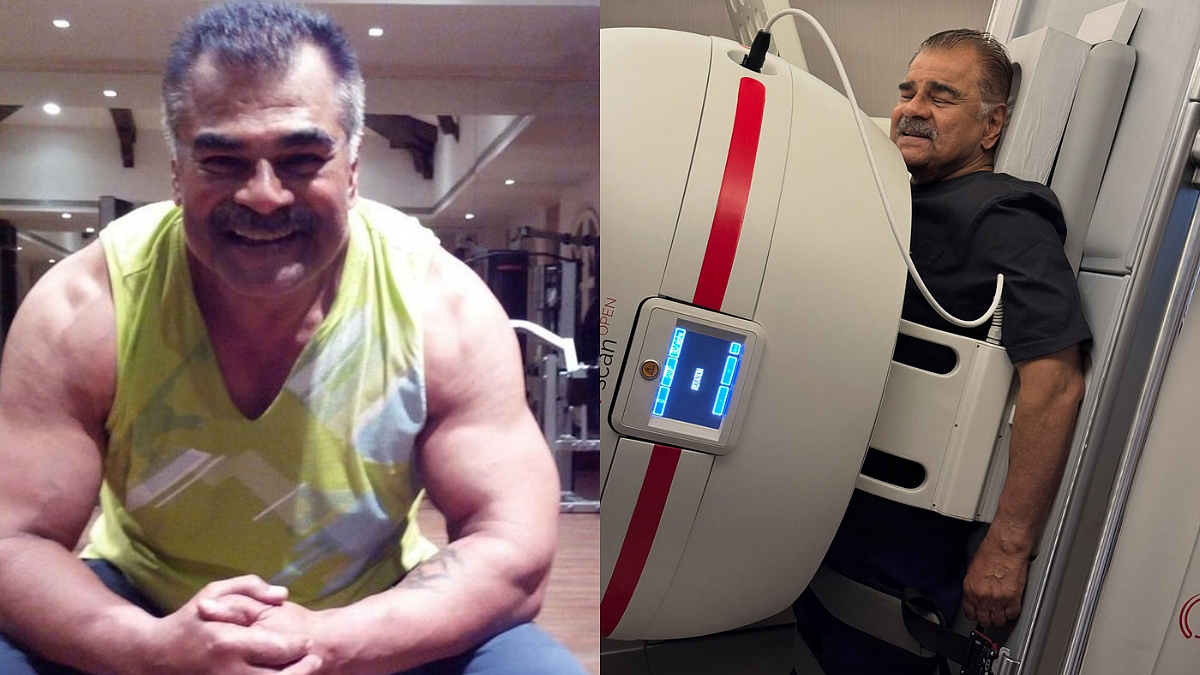
Veteran actor Sharat Saxena recently shared his upcoming lumbar spine surgery on social media. On September 9, he posted pictures from the hospital showing him undergoing a standing MRI at Bombay Hospital. The images depict the actor smiling despite possible discomfort. Fans and colleagues wished him a speedy recovery, and Sharat expressed gratitude in the comments.
A standing MRI, also known as an upright or weight-bearing MRI, differs from conventional MRI scans. This specialized form of magnetic resonance imaging allows certain body parts to be scanned while the patient is standing, sitting, or in another weight-bearing position. Unlike traditional MRI, where patients lie flat in a tunnel-like scanner, upright MRI systems accommodate patients in a more open position.
This can make the experience more comfortable for those who find conventional machines difficult. Weight-bearing MRI can reveal spinal and joint conditions that more closely resemble everyday posture, as body weight puts pressure on the spine when standing. This imaging can be useful for certain spinal conditions, helping doctors assess the spine in positions that may reproduce or reveal problems not as evident when a patient is lying down.
Written by urgent.news from Free Press Journal's reporting — not their text. Machine-written — may contain errors; check the original before relying on it.