Qatar and Oman pitch Middle East-backed financing for infrastructure projects in Global South
Qatar and Oman are encouraging the use of Middle East-backed financing, particularly Islamic instruments, to support key infrastructure projects in the Global South, officials from the Gulf states said. Accessing Shariah-compliant financial instruments would enable countries across Asia, Africa and Latin America to address funding gaps, Mansoor Al Khater, chief executive of the Qatar Financial…
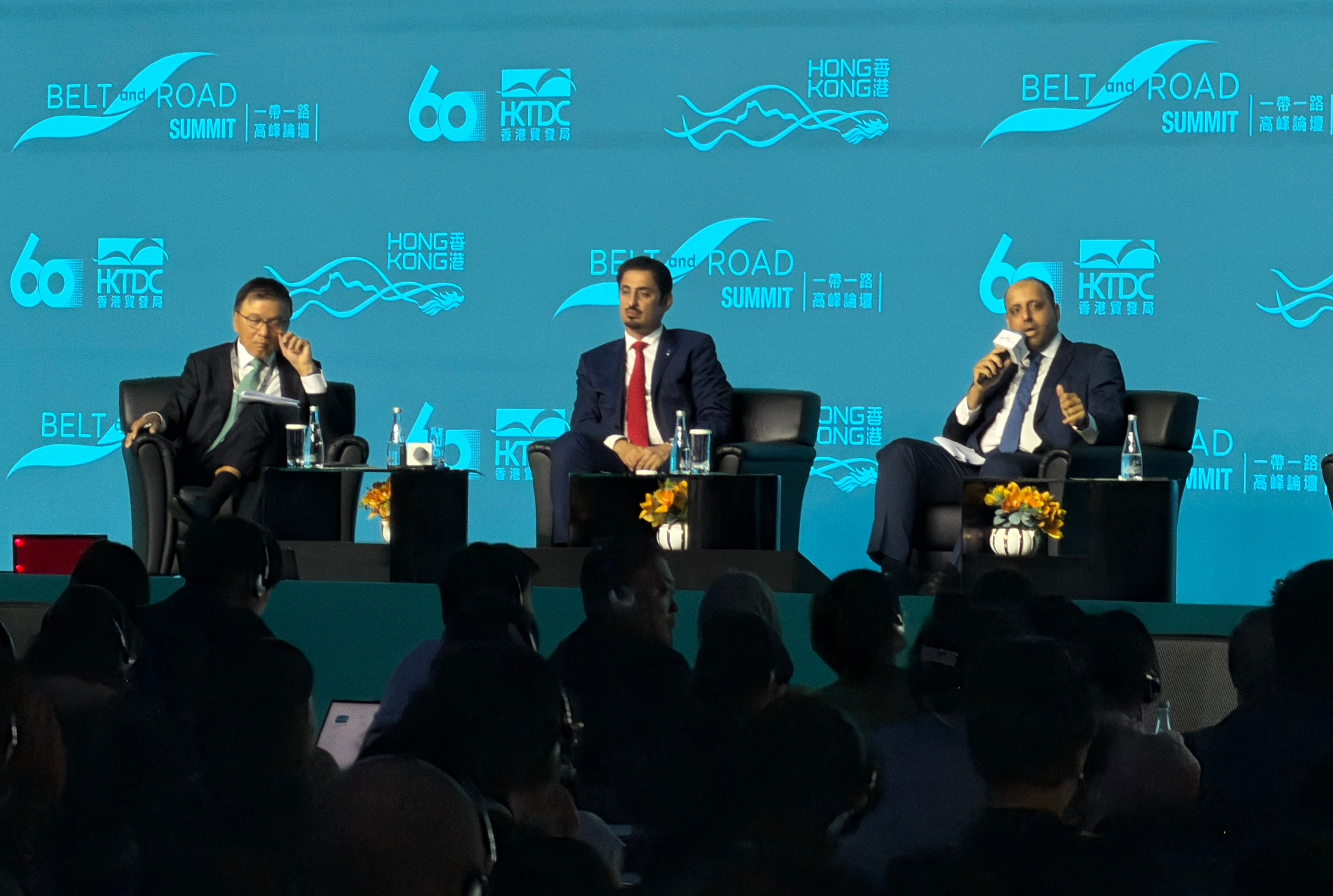
Qatar and Oman are promoting the use of Middle East-backed financing, specifically Islamic instruments, to fund vital infrastructure projects in the Global South, according to officials from the Gulf states. Mansoor Al Khater, CEO of the Qatar Financial Centre, stated this at the Belt and Road Summit in Hong Kong on Thursday. He explained that accessing Shariah-compliant financial instruments could help countries in Asia, Africa, and Latin America overcome funding shortages.
"Especially when we look at the [Global] South, what they are looking for is access to capital, and the Middle East can be one of the regions that can provide that capital because we are on a high balance sheet and we have good income statements," Al Khater noted. He acknowledged that Islamic financing is not as popular as traditional banking methods, but it is a promising avenue for generating new capital.
"Islamic financing... is an opportunity that is untapped," he said. "Islamic finance is really going to be an additional vehicle that would complement the existing conventional financing model." The Islamic finance sector has shown "remarkable vitality and global momentum," according to the latest ICD-LSEG Islamic Finance Development Report.
The industry expanded by 21% year-on-year to reach $5.98 trillion in 2025. Saudi Arabia is the world's largest issuer of sukuk, or Islamic bonds, accounting for 17% of the global total, as revealed by the report. The extent to which Islamic financing is utilized for Belt and Road projects remains unknown. However, Muneer Al Muneeri, deputy president for operations at the Oman Investment Authority, believes it can foster long-term partnerships, particularly in emerging markets.
"Ultimately... we want to make sure that these regions develop and continue bringing opportunities and on a long-term basis," he said. The OIA played a crucial role in attracting the first private equity investors to Uzbekistan, helping develop the nation's financial system in Central Asia. Currently, the OIA has investments in over 20 funds.
Al Muneeri highlighted that they can source suitable transactions, technologies, and facilitate connections between regions.
Written by urgent.news from The National UAE's reporting — not their text. Machine-written — may contain errors; check the original before relying on it.
This story
This is one outlet's version. Read the fullest account.