Powering AI is an architecture problem
On July 22, 2026, a transmission line fault in Ashburn, Virginia—the heart of the world’s largest data center cluster—knocked more than 3 gigawatts of load off the grid in seconds. And it wasn’t the first time. Two years earlier, a single failed surge arrester dropped roughly 60 Virginia facilities and 1,500 megawatts at once. No…
On July 22, 2026, a transmission line fault in Ashburn, Virginia caused more than 3 gigawatts of load to be removed from the grid in seconds. This was not the first such incident, as two years prior, a single failed surge arrester caused roughly 60 Virginia facilities and 1,500 megawatts to lose power simultaneously. The grid may struggle to cope with the large, rapid fluctuations in load caused by AI data centers, which can swing 70% of their load in milliseconds during training runs and trip offline at the first sign of trouble upstream.
The current data center power stack, which has been unchanged for decades, is insufficient to handle these rapid changes in load. The UPS units, located deep inside the building, have undersized batteries designed to handle short outages, and the protection logic is inadequate to handle the grid's response to these fluctuations.
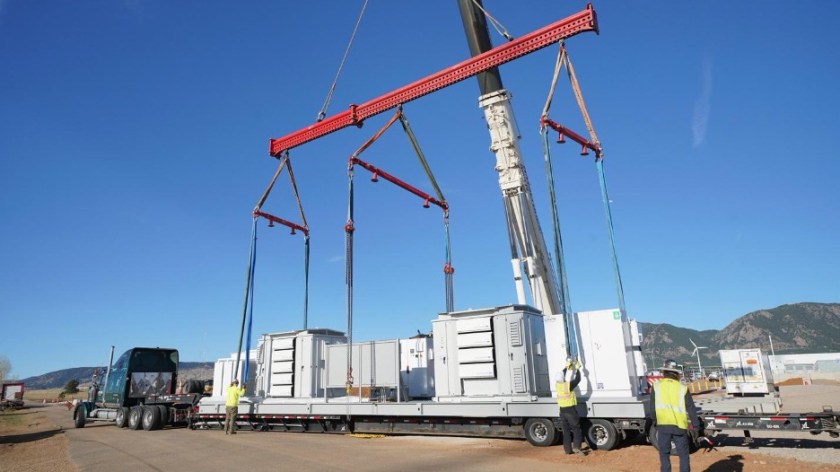
Moving the equipment up to medium voltage, out to modular enclosures near the substation, and into the path of the power flow can solve these problems while also making the equipment more energy efficient and qualifying it for tax credits and grid revenue programs. The medium-voltage AI UPS system has been tested and proven to handle large-load voltage ride-through requirements, making it a promising solution for the growing number of AI data centers.
Written by urgent.news from MIT Technology Review's reporting — not their text. Machine-written — may contain errors; check the original before relying on it.