New Revelations About the Origin of Interstellar Comet 3I/ATLAS
UK astronomers have uncovered new clues about the origin of 3I/Atlas – only the third known object from beyond our Solar System ever spotted in our cosmic neighbourhood.
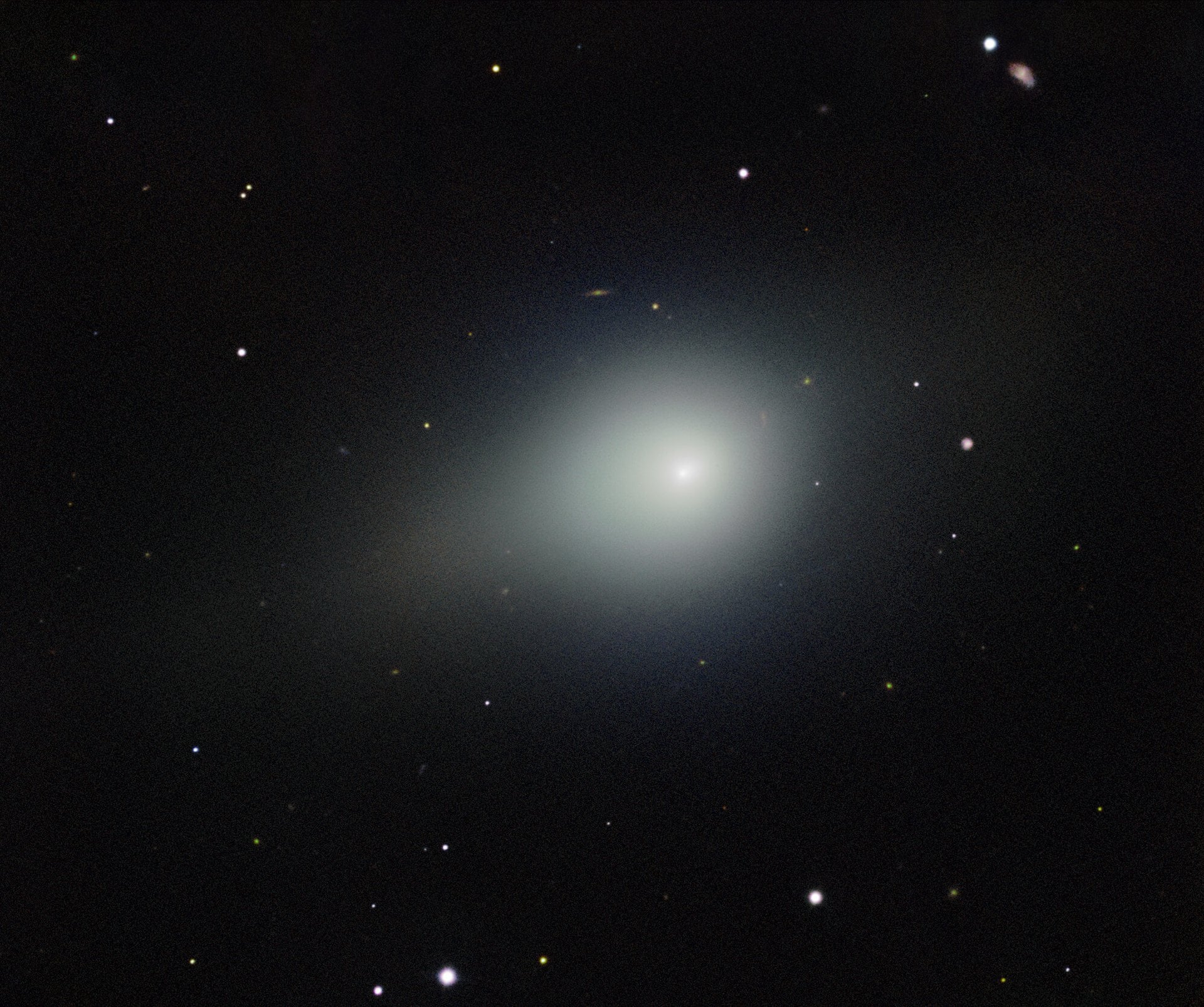
In a groundbreaking study published in the Monthly Notices of the Royal Astronomical Society, scientists have uncovered new insights into the origin of interstellar comet 3I/ATLAS, the third known object from another star system to enter our Solar System. The comet, which made its closest approach to the Sun in late 2019, was observed by a team of researchers using the WHT Enhanced Area Velocity Explorer (WEAVE) spectrograph mounted on the 4.2-meter William Herschel Telescope.
By analyzing the ionized gases released by the comet during its emergence from behind the Sun, the team determined that 3I/ATLAS formed in extremely cold conditions, likely far from its star in the distant, icy edge of its solar system. This finding has significant implications for future research on interstellar objects (ISOs) and our understanding of planetary formation around other stars.
Dr. Léa Ferellec, lead author of the study, explained that the comet's rich nitrogen content suggests it formed in conditions colder than -240°C (-400°F), similar to objects in our Solar System's Kuiper Belt or Oort Cloud. The discovery highlights the value of next-generation instruments like WEAVE-LIFU in unlocking new insights about comets and other solar system objects, potentially paving the way for a deeper understanding of the formation of planets around other stars.
Written by urgent.news from Universe Today's reporting — not their text. Machine-written — may contain errors; check the original before relying on it.