NASA, IBM Launch AI Foundation Model for Lunar Science
NASA is bringing artificial intelligence to the study of the Moon, helping researchers transform how they analyze the Moon’s surface. In an ongoing collaboration with IBM Research and several academic institutions, NASA has launched the NASA-IBM Lunar Foundation Model, among the first open-source AI models built specifically for lunar science. The model, trained primarily on […] The post NASA,…
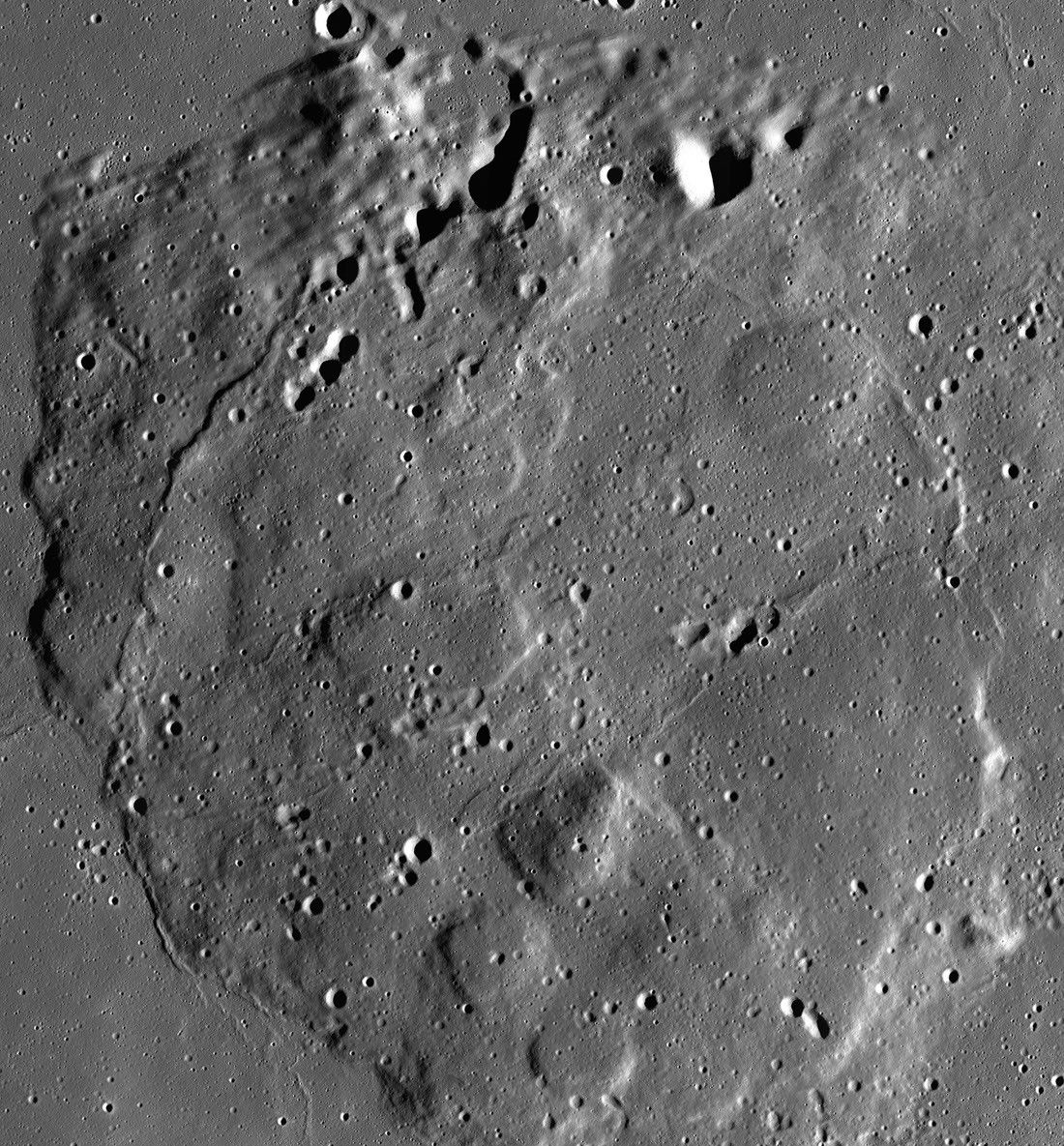
NASA and IBM have joined forces to launch the NASA-IBM Lunar Foundation Model, a groundbreaking AI foundation model tailored for lunar science. This collaborative effort aims to revolutionize how researchers analyze the Moon's surface and unlock new insights into its geological features. The model, a product of extensive training on NASA's Lunar Reconnaissance Orbiter (LRO) data, is now publicly accessible on Hugging Face, along with the complete codebase on GitHub.
Kevin Murphy, NASA's chief science data officer and acting chief data and AI officer, highlighted the importance of making NASA's vast scientific data more accessible and usable for researchers. Foundation models, unlike traditional AI models, are pre-trained on extensive datasets, enabling them to swiftly adapt to various scientific domains through fine-tuning.
With the NASA-IBM Lunar Foundation Model, researchers can efficiently analyze massive amounts of lunar data, understand the Moon's geological past, and plan future lunar research. The model's versatility allows it to be customized for numerous lunar research tasks, such as mapping craters, identifying young volcanic features, and estimating the presence of ice near the lunar poles.
For researchers focusing on the Moon's polar ice, the model can estimate the stability of ice patches on and beneath the surface. These ice deposits, located in permanently shadowed regions, are crucial for understanding the Moon's history and potentially serving as valuable resources for future space exploration.
Written by urgent.news from NASA Science's reporting — not their text. Machine-written — may contain errors; check the original before relying on it.


