NASA and IBM open source lunar mapping tools
Can help you pick the perfect spot for your future evil lair, or boffins make discoveries about Earth's satellite
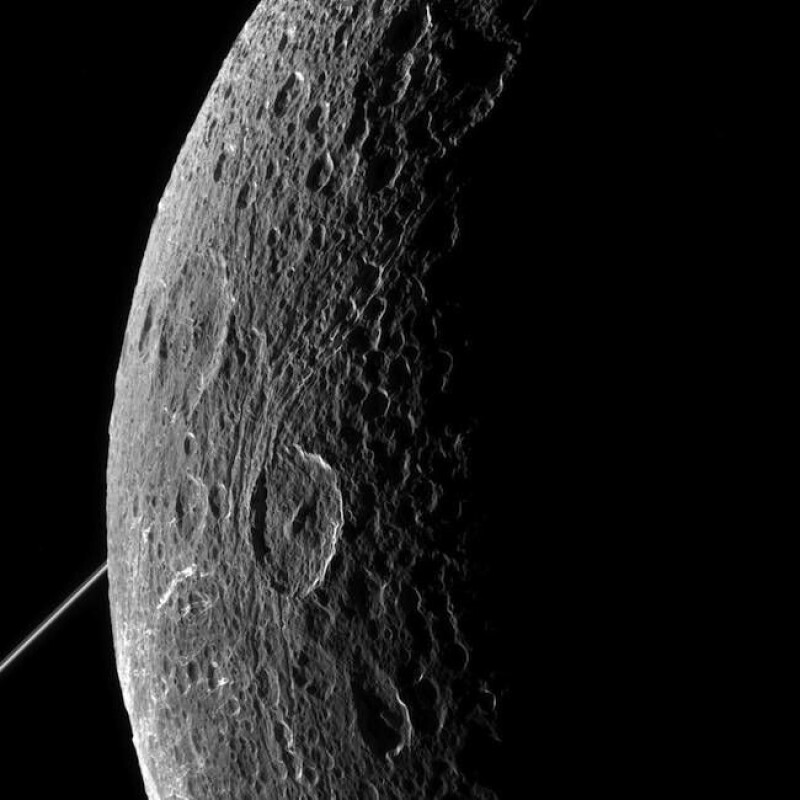
NASA and IBM have collaborated to release an open-source AI model that maps the Moon in unprecedented detail. Called the NASA-IBM Lunar Foundation Model, this innovative tool integrates observations captured in various formats, angles, and spatial scales. The model, available on Hugging Face, is the first of its kind to analyze lunar data using a multimodal and multi-resolution approach.
The collaboration between NASA and IBM leverages a curated dataset of over 30 spatially-aligned layers, compiled from data gathered by nine instruments across four missions. This dataset, consisting of tens of thousands of images and maps, showcases diverse geophysical properties of the lunar surface. NASA's chief science data officer, Kevin Murphy, emphasized the importance of making data easier for scientists to explore and utilize.
The potential applications of the Lunar Foundation Model are vast. By analyzing geographic features, researchers may uncover previously unidentified lunar ice deposits, which indicate the presence of water and oxygen. These resources could prove invaluable for future manned missions. Furthermore, the model can aid in identifying and classifying craters, volcanic features known as Irregular Mare Patches, and more.
IBM and NASA have previously collaborated on other initiatives. In 2023, they released Prithvi, an open-source foundation AI model for analyzing satellite imagery. The following year, they unveiled an AI climate model capable of accurately predicting weather patterns. Last year, they developed an AI model named Surya, designed to forecast solar flare-ups that could disrupt satellites and spacecraft. Like the Lunar Foundation Model, all these projects are open-source and publicly available.
While NASA and IBM have not disclosed specific parameters or model size for the Lunar Foundation Model, they have provided guidance on hardware requirements. For fine-tuning and training experiments, they recommend using Nvidia A100 GPUs. However, smaller-scale experiments and inference workloads may be feasible on more modest hardware, with exact requirements varying depending on the task.
Written by urgent.news from The Register's reporting — not their text. Machine-written — may contain errors; check the original before relying on it.
Also reported by 1 other outlet
- NASA and IBM open source lunar mapping tools theregister.com


