Malaysia needs a modern aeromedical service
LETTER: The deaths of five people in the Flying Doctor Service (FDS) helicopter crash at Long Lellang, Sarawak, on Sept 8 should be a watershed moment for Malaysia’s approach to airborne medical services.
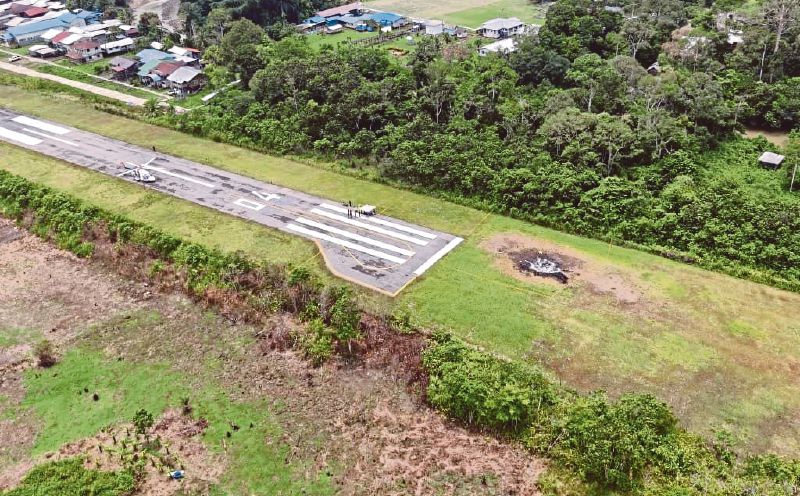
The tragic helicopter crash during a Flying Doctor Service mission in Malaysia has exposed deep flaws within the country's archaic system of airborne medical services. Despite operating for over half a century, the system has remained shockingly unchanged since the 1980s. Five people perished while delivering healthcare to some of the most remote communities in the nation.
Personnel undertaking these life-saving missions are currently inadequately trained in aviation safety and lack clear insurance coverage. They are required to sign liability waivers before taking to the skies, a practice that should be abolished. These healthcare professionals should not be forced to assume personal risk for the sake of providing public service.
The organisations responsible for these missions must take responsibility for the risks associated with providing this essential service. Comprehensive insurance coverage should be mandatory for every member of the aeromedical team, protecting them from financial ruin in the event of accidents. Liability should not be shifted onto individual healthcare workers.
To modernise the system, Malaysia must transition from viewing the Flying Doctor Service as merely a government-funded helicopter program to recognizing it as a specialized aeromedical service. This new service should comprise fully trained pilots, flight nurses, retrieval physicians and paramedics who work together as a cohesive team.
Healthcare personnel should receive mandatory aviation training covering emergency procedures, evacuation techniques, and handling various emergency situations. Learning from successful models in the UK and Australia, a Malaysian Aeromedical Service could be established through a public-private partnership. This model would provide a long-term strategic funding partnership, government baseline payments, and contributions from various sectors.
The goal should be to expand this service throughout the country, particularly to underserved regions like Sabah, Sarawak, Orang Asli communities, and remote areas of Peninsular Malaysia. By investing in a modern, comprehensive aeromedical service, Malaysia can ensure that even its most remote communities receive the emergency medical care they desperately need.
Written by urgent.news from New Straits Times's reporting — not their text. Machine-written — may contain errors; check the original before relying on it.