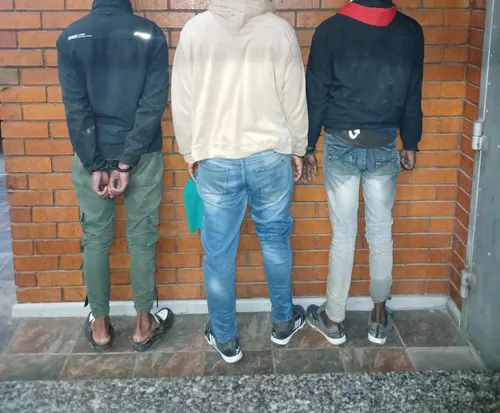
Let parents see the sex offender list: Why those names could save lives
'Government can't place the primary responsibility for protecting children on parents while withholding the very information they need to fulfil it.'
South Africa maintains a National Register for Sex Offenders (NRSO), but the general public lacks access to this database. Civil rights organization Action Society demands a publicly accessible system to help parents and caregivers check if someone involved with their child has a history of child sexual abuse. Action Society's spokesperson, Juanita du Preez, argues this is an issue of fairness: "The State knows who has been convicted of sexually abusing children, but parents are legally prohibited from accessing that information."
The Ministry of Justice initially promised the register's public release by February 2025, but the process stalled due to legal challenges. In September 2025, Minister Mmamoloko Kubayi stated amendments to the law were required to allow public access. However, no certified bill has been published, no public comments have been accepted, and no date has been set for Parliament to review the changes.
The vetting system is overwhelmed, with a backlog of 74,497 applications and around 300,000 teachers remaining unvetted. Former teacher Iain Wares, convicted of sexually assaulting a 12-year-old in 1988, is now facing extradition from South Africa to the UK, where he could face over 90 charges for abusing schoolboys in the 1960s and 1970s.
Action Society proposes a controlled system with identity checks, verified data, and penalties for misuse. The group has five demands for the Department of Justice, including an answer to a formal access-to-information request, a timeline for drafting and submitting a new law, and disclosure of legal advice on the constitutionality of public access.
If these demands are not met, Action Society threatens legal action in the High Court or the Constitutional Court.
Written by urgent.news from The Citizen's reporting — not their text. Machine-written — may contain errors; check the original before relying on it.