Jewellery shops shut down as Chinese consumers switch focus to gold bars and coins
Most of the gold jewellery shops that once lined the main commercial street in Biyang, Henan province, have closed as gold prices hover at high but volatile levels and a decline in marriages dents demand. “Gold jewellery used to be very popular in our small county,” said 25-year-old kindergarten teacher Yu Qian, who described herself as a frequent buyer of gold jewellery. “There used to be more…
Most gold jewelry stores in Biyang, a small county in Henan province, have shut down as gold prices remain high and volatile, and a decrease in marriages has reduced demand. Yu Qian, a 25-year-old kindergarten teacher, explained that there used to be over 20 gold shops in her area, but more than two-thirds of them have now closed.
Retailers across China have been closing stores, with Chow Tai Seng reporting a net reduction of 473 stores, Lao Feng Xiang closing 342 outlets, and China Gold cutting 323 locations in the first half of the year. Chow Tai Fook also reported a net loss of 258 mainland China stores in the second quarter due to franchise contraction.
Business development manager Fred You noted that small jewelry shops are under heavy pressure as consumers buy less gold by weight, while shop owners still have to manage inventory, rent, and other expenses. The willingness to pay a high brand premium for decorative appeal has largely disappeared. According to the World Gold Council, Chinese gold jewelry demand fell 28% year-on-year in the second quarter to its lowest level since 2004, due to high prices, volatility, and cautious consumers.
A 2019 consumer insight report also highlighted that declining marriages and births were long-term downward pressure on the market. The past five years have seen steady gold price growth, from around US$1,800 per troy ounce in 2021 to a record high of US$5,200 early this year, before dropping to US$4,170 and now around US$4,400.
Yu Qian believes high gold prices have even discouraged young people from getting married, as both jewelry and bride prices become significant financial burdens. Marriage registrations in China dropped 7.46% in the first half of the year, with 3.275 million registrations, a seven-year low. Economic headwinds, high living costs, and employment uncertainty have led young people to delay or forgo marriage.
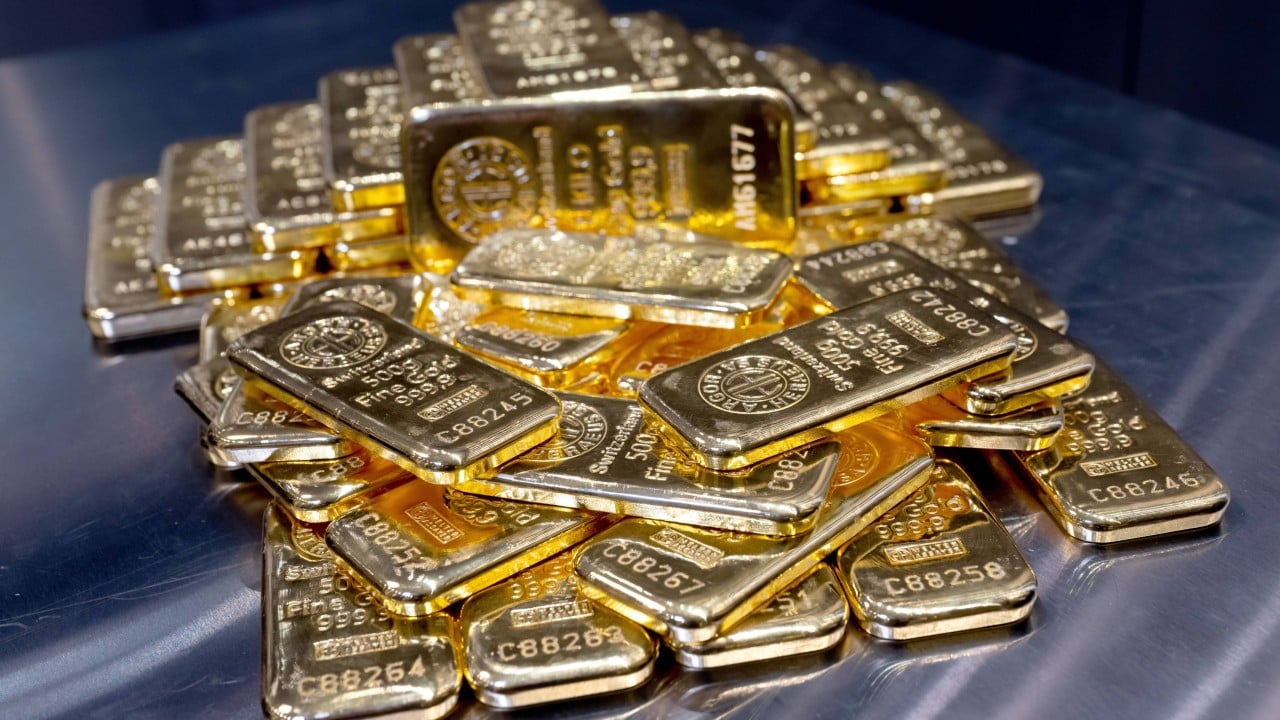
The Chinese gold market now focuses on higher-margin jewelry and investment gold. The World Gold Council noted that consumers have adapted by preferring lighter jewelry, old-for-new exchanges, and lower-premium investment products. Jewellery demand fell 33.88% year-on-year to 132.1 tonnes in the first six months of the year, while safe-haven gold bars and coins saw a 28.42% increase to 339.3 tonnes.
Total gold consumption rose by 1.23%. Some middle-class investors like Guangzhou-based doctor Vicky Liu have become even more cautious due to sharp fluctuations in various markets, leading them to be more selective with their investments.
Written by urgent.news from SCMP Business's reporting — not their text. Machine-written — may contain errors; check the original before relying on it.

