Investment surge in Central Asia drives calls for expanded use of Chinese yuan
Expanding use of the Chinese yuan in fast-growing Central Asia, where China is a top investor, can reduce risks and costs for infrastructure firms, part of a broader trend that sees the currency gaining ground wherever commercial flows create demand for it, according to speakers on an investment panel in Hong Kong on Thursday. Smoother access to the yuan would lower risks inherent in currency…
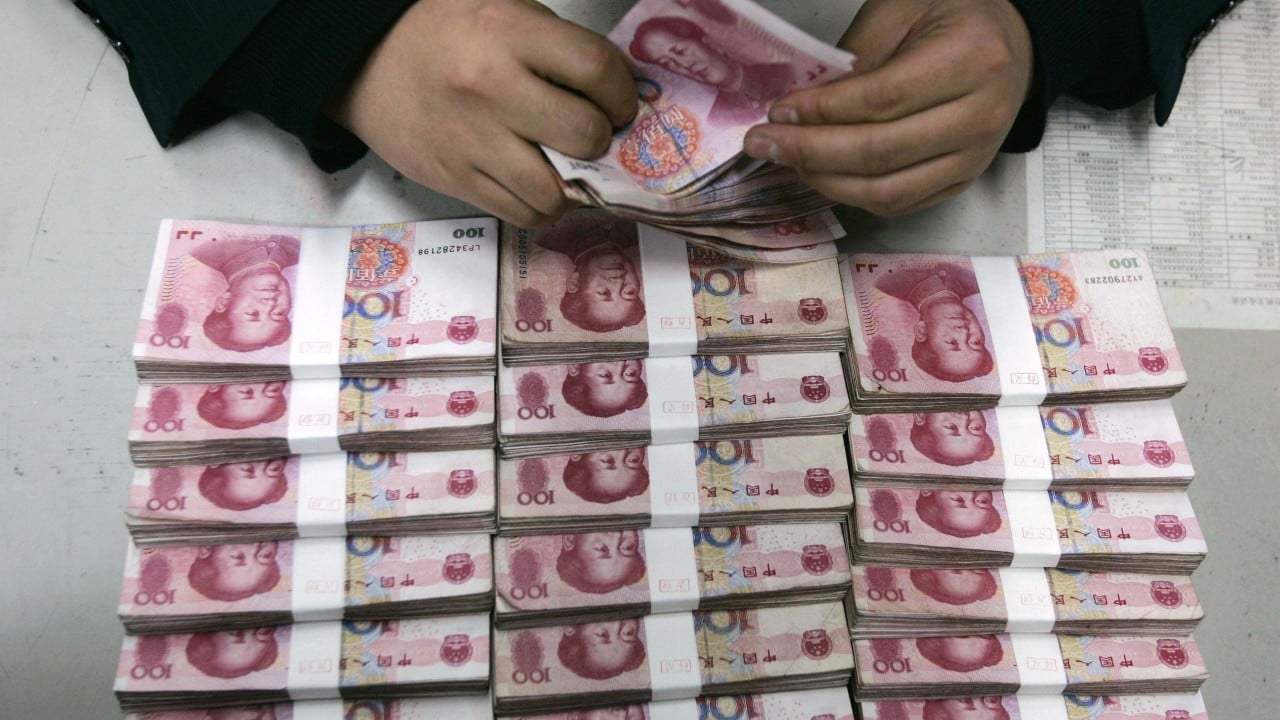
The Chinese yuan is gaining traction in Central Asia, driven by a surge in investment from China. Speakers at an investment panel in Hong Kong argue that increased use of the yuan can mitigate risks and costs for infrastructure firms operating in the region. Long Jisheng, chairman and CEO of Shanghai-based waste management firm SUS Environment, highlighted that their equipment is often manufactured in China and shipped abroad, making the internationalization of the renminbi crucial for their operations.
He emphasized the need for a closed-loop financial system denominated in yuan to handle investment, financing, procurement, and returns. Long also pointed out that many Central Asian countries have limited domestic production capacity, making internationalization essential for reducing financing costs and exchange-rate risks. Speakers cited successful adoption of the yuan in Southeast Asia and Africa, with commercial flows and supply chain needs driving its use in those regions.
Hong Kong, Singapore, and the UAE are among the top offshore locations for circulating the yuan. The most effective yuan internationalization models involve genuine commercial flows, expanding beyond a single transaction method, and fostering local and international connectivity. Kazakhstan, a key partner in China's Belt and Road Initiative, is also witnessing growing demand for the yuan.
Timur Onzhanov, deputy management board chairman of Baiterek National Investment Holding, stressed the need for sophisticated renminbi settlement trades as local companies shift towards exporting processed goods. He called for better connectivity between Chinese and Kazakh financial platforms and urged the development of suitable equity and insurance products to support exporters.
Multiple large Chinese banks already operate in Kazakhstan, with a recent Hong Kong-Mainland China delegation generating 96 deals worth US$1.65 billion.
Written by urgent.news from SCMP Business's reporting — not their text. Machine-written — may contain errors; check the original before relying on it.