Introducing "Token Proof of Work"
A proposal for stopping AI agent spam without CAPTCHAs — by making every submission cost real tokens and real time, Bitcoin-style.
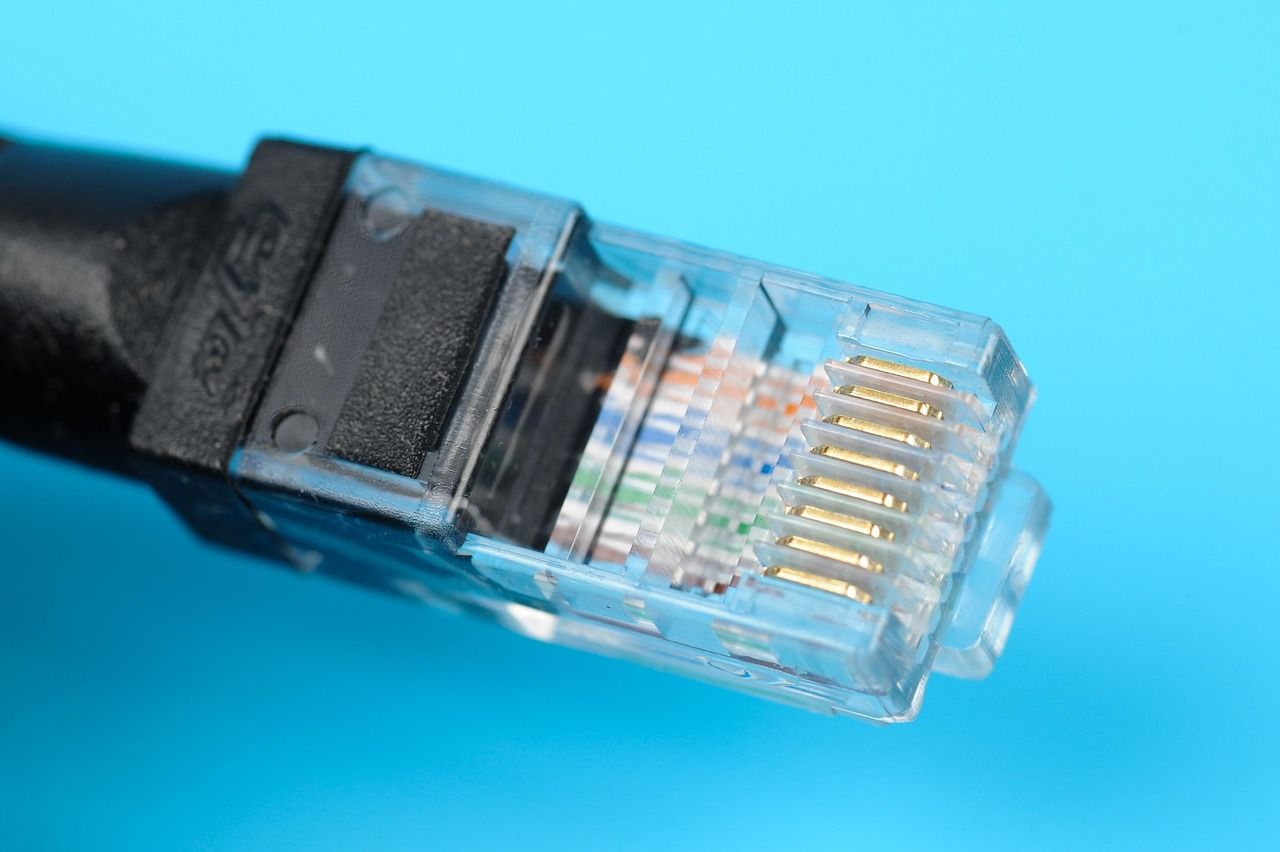
For fifteen years, web contact forms have relied on the assumption that a person is typing on the other end of the line. However, this assumption is no longer valid as agents are increasingly filling out forms, submitting listings, and messaging support inboxes on behalf of users. This development, which might seem positive at first glance, actually opens up a new vulnerability: the ability to send personalized, convincing messages without any cost, leading to an increase in spam.
Spam has always been an economic problem, as sending emails is free. The real cost used to be the effort required to compose a message, but now, with the help of language models, it's just as easy for an AI to generate multiple unique, fluent messages in the time it takes a human to write one. The solution lies in implementing a CAPTCHA, but this approach addresses the wrong question.
Instead of asking "are you a human?", the crucial question should be "did sending this cost the sender anything?". Bitcoin's proof-of-work system, which verifies effort spent and makes bad behavior computationally expensive, can be adapted to address this issue. Token Proof of Work is a new approach that introduces tokens (representing the cost of generating each word) and time (set by a clock that cannot be parallelized) as scarce resources.
To accept a message, the agent must solve a minimum number of tokens and wait for a certain amount of time. This method ensures that genuine senders, whether human-initiated or not, do not notice any friction, while spammers face real financial and time-based costs when attempting to scale their activities.
Written by urgent.news from HackerNoon's reporting — not their text. Machine-written — may contain errors; check the original before relying on it.