How Two Citizen Sleuths Spent Decades Trying to Solve the Double Homicide of A Killer Story
Eileen and Keen Umbehr spent decades seeking a different verdict to the answer of who killed Karen Harkness and Mike Sisco in Kansas, 2002.
In 2002, Karen Harkness and her boyfriend Mike Sisco were brutally murdered in Topeka, Kansas, leaving authorities convinced that Sisco's ex-wife, Dana Chandler, was the killer. Chandler was arrested, tried, and convicted of first-degree murder, but her story took an unexpected turn when journalist Joe Sexton, who had previously worked for The New York Times and ProPublica, shared his doubts about the case.
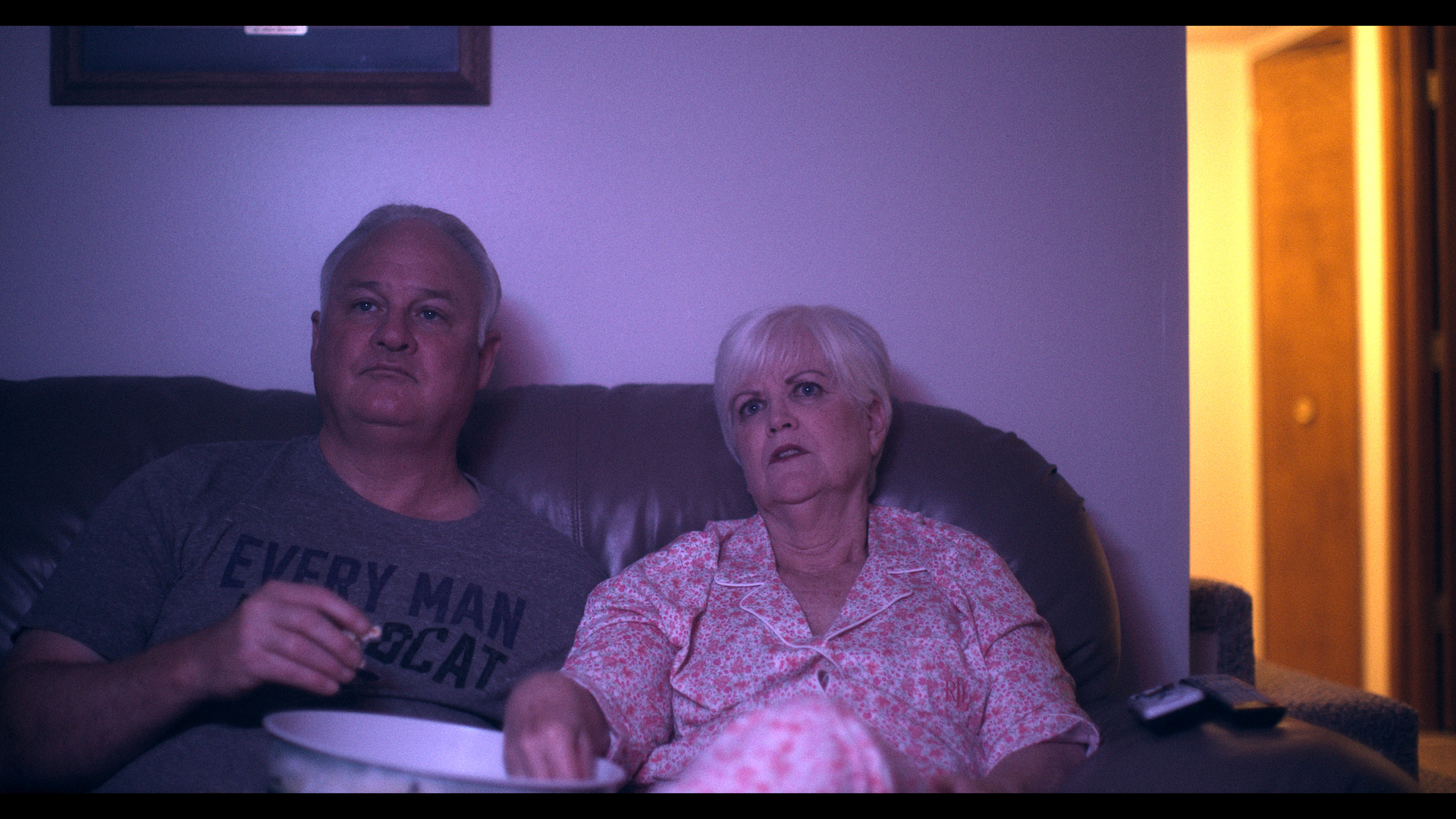
Eileen Umbehr, a stay-at-home mother, became fascinated with the case and began corresponding with Sexton, sending him thousands of emails filled with court records and ballistics reports. After years of dedication, Umbehr and her husband Keen, a lawyer, advocated for Chandler, even though it came at a significant personal cost.
In 2017, the Kansas Supreme Court overturned Chandler's murder convictions, a rare occurrence. Sexton, intrigued by the case, replied to Umbehr with six words: "Perhaps I should come see you." This marked the beginning of a documentary series, A Killer Story, which premiered on HBO in September 2023. The series, directed by Matthew Galkin and executive produced by Joshua Levine, explores the intricacies of the case, delving into the media's role and the dedication of those involved.
The documentary reveals that the ammunition used in the murders was distinctive, Israeli-made subsonic rounds typically fired from an Uzi-style weapon, suggesting a motive driven by emotion. Harkness' father later found their bodies, with no signs of robbery, no fingerprints on the casings, and no eyewitnesses present. Sisco's family suspected his ex-wife, Dana Chandler, whose life had taken a downward spiral following a bitter divorce and strained by her alcoholism.
The Kansas Bureau of Investigation initially ruled out robbery, focusing on the distinctive ammunition as evidence of overkill. It wasn't until nearly a decade later that authorities arrested Chandler in Oklahoma in 2011, with her conviction coming five years later in 2012. Her retrial in 2022 and 2025 further solidified her conviction, despite legal challenges and ethical concerns surrounding her trial.
Written by urgent.news from Time's reporting — not their text. Machine-written — may contain errors; check the original before relying on it.