CoreWeave launches new engineering service to help enterprises implement physical AI
Artificial intelligence-native cloud infrastructure giant CoreWeave Inc. says it’s going to help enterprise engineering teams to implement AI directly into their workflows through its new Physical AI Field Engineering service. Announced today, the new service is meant to bridge the massive gap between industrial domain expertise and applied machine learning. CoreWeave has recruited a team […] The…
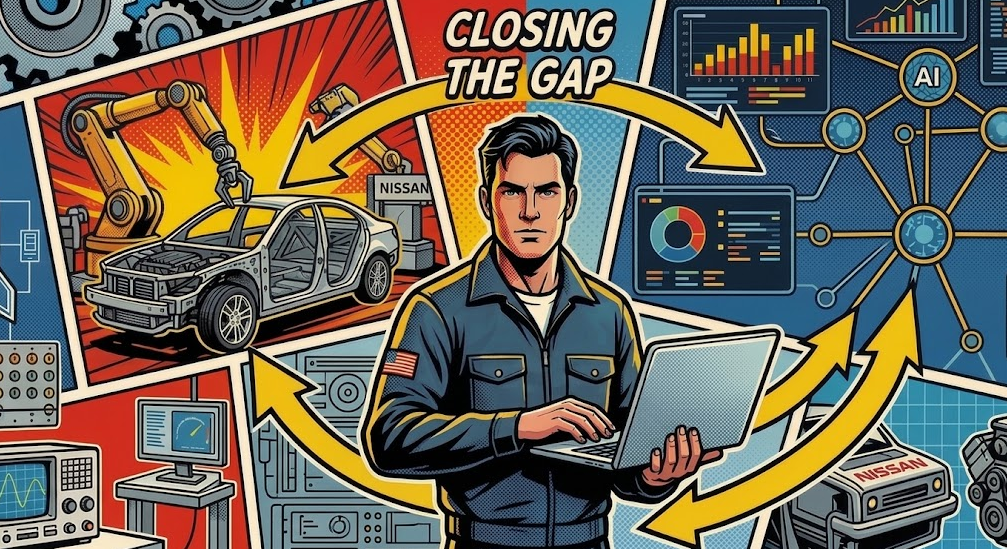
CoreWeave Inc., an artificial intelligence-native cloud infrastructure provider, has launched a new service called Physical AI Field Engineering to assist enterprise engineering teams in implementing AI into their workflows. This service aims to bridge the gap between industrial domain expertise and applied machine learning. CoreWeave has assembled a team of specialized engineers with expertise in various industries, including automotive, aerospace, and mechanical engineering.
These engineers will collaborate directly with customers' engineering teams to develop AI models using the customer's own data and integrate them into their workflows and applications. The service begins with a workshop where CoreWeave engineers work with the customer's team to evaluate engineering workflows, identify use cases for AI, and establish a quantified return on investment.
The next step is to design and build the models using customer data, which can cut testing times by 17% to 35%. CoreWeave's core expertise comes into play in providing an optimal compute environment for AI projects, avoiding over- or under-provisioning resources. The final step involves integrating the AI into the customer's existing workflows, such as working applications, dashboards, and optimization tools.
The Physical AI Field Engineering service, underpinned by CoreWeave's cloud infrastructure, has already completed more than 100 engagements with early adopters in various industries. One such case was Nissan Motor Co., which reduced chassis bolt-joint evaluation testing times by 17% using CoreWeave's predictive models based on 90 years of archived test data.
Written by urgent.news from SiliconANGLE's reporting — not their text. Machine-written — may contain errors; check the original before relying on it.


