Controversial Venice film ‘Dau’ revisits Soviet brutality and ideology through physicist Lev Landau
VENICE, Sept 10 — Ambitious in its scale and style and dogged by controversy, Dau by filmmaker Ilya Khrzhanov...
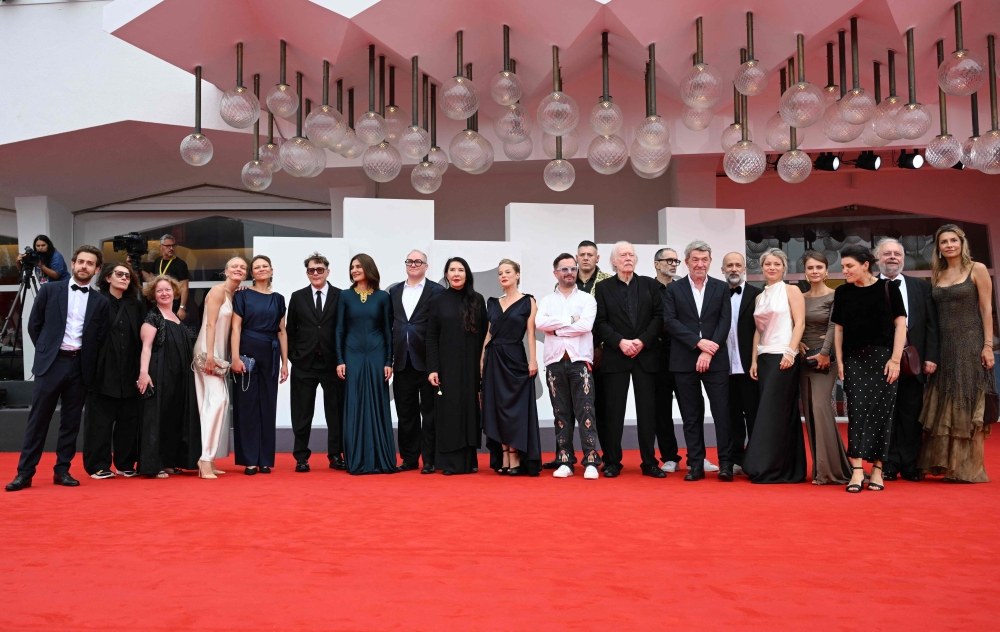
In a highly debated film at the Venice Film Festival, director Ilya Khrzhanovsky presents "Dau," a three-hour exploration of Soviet Union totalitarianism through the life of physicist Lev Landau. Originally conceived two decades ago, the film uses unconventional methods, such as permanent on-set actors and extras, to recreate a secret Soviet research institute. Khrzhanovsky, a 51-year-old filmmaker, renounced his Russian citizenship in 2024 to protest the Ukraine war and now resides in Paris.
The film's primary subject, Lev Landau, was a Nobel Prize-winning physicist and one of the fathers of the Russian nuclear bomb. Khrzhanovsky aimed to create a film about "this generation of people, of scientists who believe that they will change the world," only for them to ultimately contribute to the creation of the most destructive weapon in history.
The film spans the years 1938 to 1968, depicting the brutal reality and ideological control of the Soviet Union. Khrzhanovsky, who identifies as a "child of the Soviet Union," seeks to understand the impact of Soviet culture on modern society. "Dau" is part of a larger multidisciplinary project, which includes two other films that premiered at the Berlin International Film Festival in 2020, facing accusations of abuse and harassment.
The film faced controversy prior to Venice, with Ukraine's government accusing it of being linked to "the Russian state and its influence networks." Khrzhanovsky denies these claims and currently denies plans to return to Russia in the near future. He expressed concerns about the future of Russia, stating that he doesn't see a bright future for at least the next 10 years.
Khrzhanovsky's use of real neo-Nazis in the film's final scenes and his decision to shoot the city of Kharkiv, now under bombardment by Russian forces, have also drawn criticism. Despite the controversy, the filmmaker remains committed to his artistic vision, acknowledging that art cannot change the world but can provide emotional support and resilience for some individuals.
Written by urgent.news from Malay Mail's reporting — not their text. Machine-written — may contain errors; check the original before relying on it.