Britain faces winter with soaring gas prices, thin reserves
Gas storage can meet just 12 days of average winter demand, compared with three to four months in Germany and France.
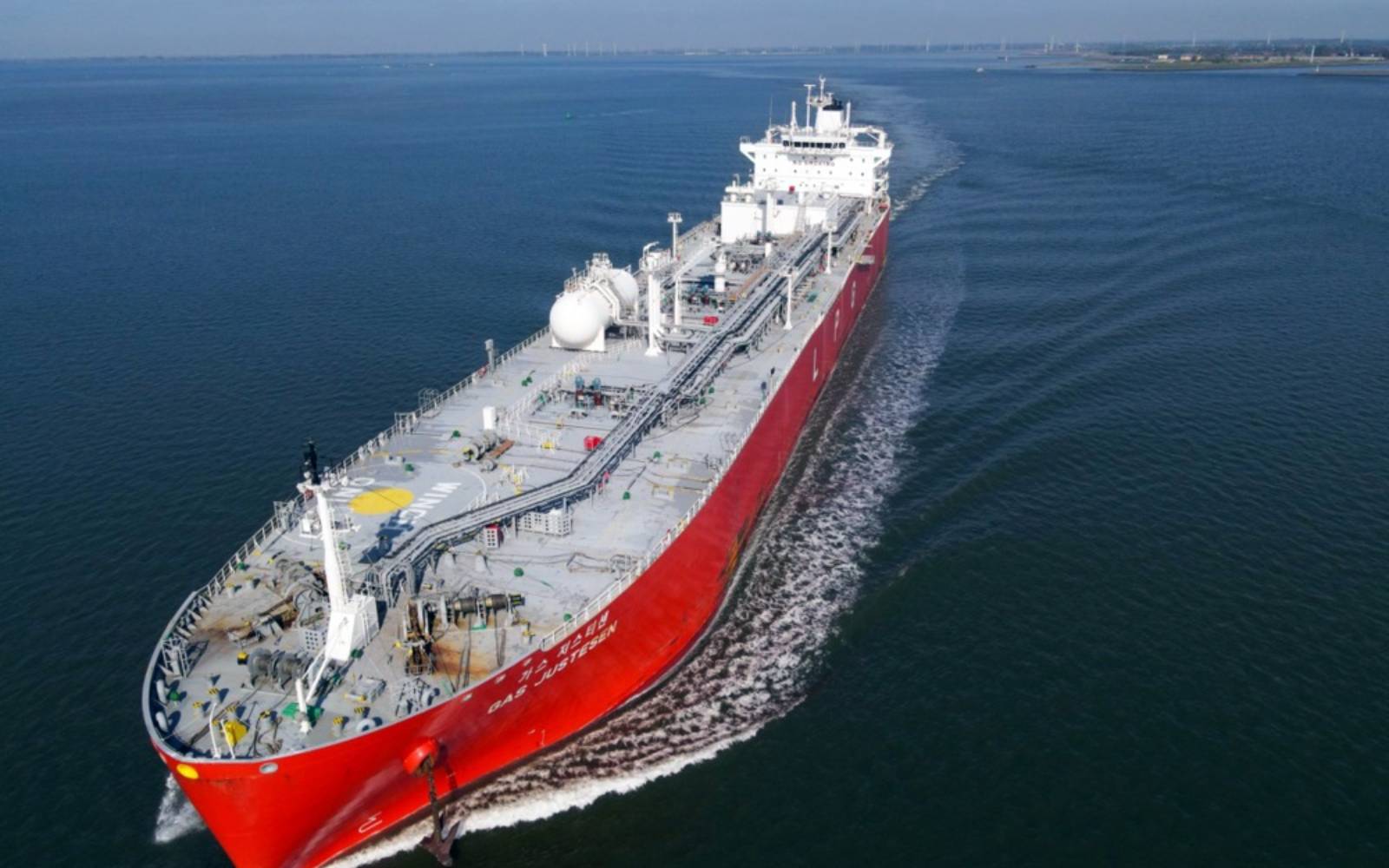
Britain braces for a harsh winter marked by skyrocketing gas prices, hefty household bills, and a critically low fuel reserve to shield the nation from a potential energy crisis. Gas prices in the UK have soared to their highest level since 2022 and have more than doubled since the beginning of the year, coinciding with the most expensive winter energy costs in three years for households.
This precarious situation poses a significant risk of reigniting the cost-of-living squeeze and puts immense pressure on the government to protect consumers.
The UK's vulnerability stems largely from its heavy reliance on gas and minimal storage capacity, leaving the nation dependent on imported liquefied natural gas (LNG) when demand surges or renewable energy generation falters. The ongoing Middle East conflict has exacerbated this exposure, as Qatari LNG supplies have been disrupted, intensifying competition for fuel just as Europe attempts to rebuild its depleted inventories.
The country's gas storage capacity is only sufficient for 12 days of average winter demand, significantly less than the three to four months in Germany and France.
This narrow buffer could diminish further if the government chooses not to support Rough, the largest gas storage site in the country. Centrica Plc, the operator of Rough, has warned that the site could close permanently without a deal in the coming months. The conflict is "dragging us back into the ominous territory of wholesale gas prices last seen in 2022, which, alongside high oil prices, are pushing up bills and driving wider inflation," stated Simon Cran-McGreehin, head of analysis at the Energy and Climate Intelligence Unit.
Prime Minister Andy Burnham faces mounting pressure to mitigate the impact of rising energy costs. While bills are expected to increase further in October and again in January, the Treasury is set to eliminate the 5% value-added tax on energy bills from October, though this relief is anticipated to be largely offset by a 4% rise in the price cap.
The government is also contemplating extending its £150 Warm Home Discount to more households, according to Bloomberg reports. Consumer groups have cautioned that such relief may be insufficient for those not covered by existing means-tested support.
Meanwhile, Burnham's administration plans to announce new North Sea gas drilling next week, including approval for the contentious Jackdaw field off Aberdeen, according to sources familiar with the matter. However, new domestic production is unlikely to provide immediate relief, as the UK's gas market remains tied to Europe and global LNG prices, generally selling at prevailing market rates. The government, therefore, grapples with limited options to shield households from the persistent surge in energy prices.
Written by urgent.news from Free Malaysia Today's reporting — not their text. Machine-written — may contain errors; check the original before relying on it.
Also reported by 1 other outlet
- Britain faces winter with soaring gas prices, thin reserves freemalaysiatoday.com