Beyond digital Why Asia s hospitals are racing to get connected
Electronic records digital imaging and automated workflows have become familiar fixtures at leading hospitals across Asia even as adoption remains uneven across the wider region The next question is harder are those systems actually talking to each other
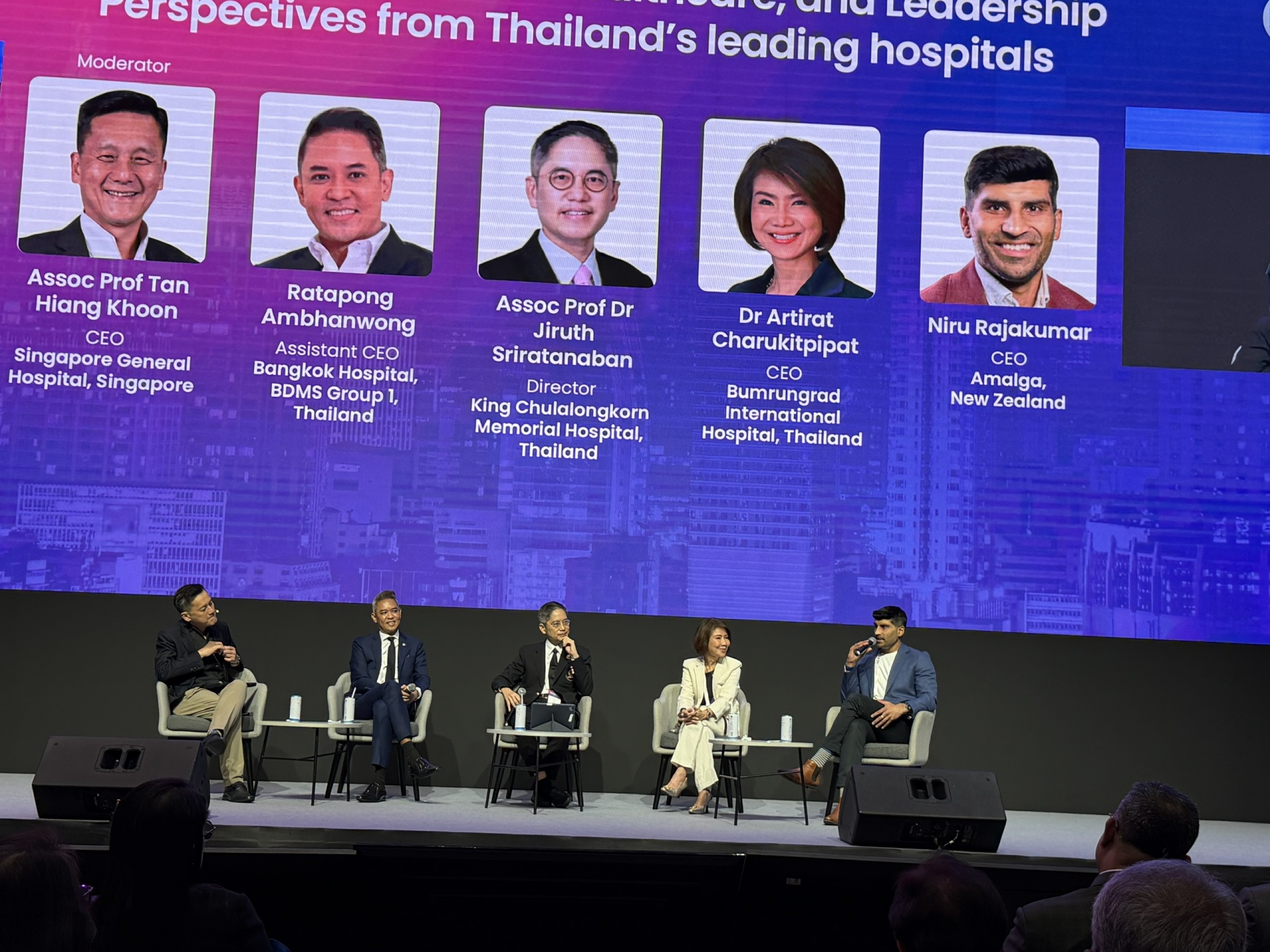
Hospital leaders at Hospital Management Asia (HMA) 2026 in Bangkok warned that Thailand's elderly population will surge from 20% to 28% within a decade, while healthcare systems worldwide face a projected shortfall of 11 million workers by 2030. This dire situation makes patient data fragmented, forcing doctors to search for information in multiple systems and patients to recount their medical history at every point of care.
AI's performance suffers in such fragmented environments, with AI-generated clinical notes not seamlessly integrating into the medical record.
Bumrungrad International Hospital's radiology team only trusted AI-assisted results after three years of trials, highlighting the importance of AI being built into the workflow rather than added afterward. Experts stress that AI only delivers real value when integrated into the workflow and every output still needs physician verification.
Amalga, a New Zealand-based health technology company, aims to bridge this gap by providing Hospital Information Systems and Electronic Patient Record solutions. Amalga unifies records into a single, patient-centred view, standardizes data against interoperability standards like HL7/FHIR, and then adds AI. CEO Niru Rajakumar emphasizes the importance of a trusted, connected data foundation before realizing AI's full potential.
As Asia's healthcare systems grapple with an ageing population and shrinking workforce, the key takeaway from HMA 2026 is that hospitals won't succeed by buying the most technology but by ensuring their technology works seamlessly together, allowing healthcare professionals to focus on delivering better care.
Written by urgent.news from Vietnam Investment Review's reporting — not their text. Machine-written — may contain errors; check the original before relying on it.


