Are we truly helping? — Lim Ghee Seong and Azwatee Abd Aziz
SEPTEMBER 10 — For years, well-intentioned volunteers have travelled to Orang Asli villages with portable de...
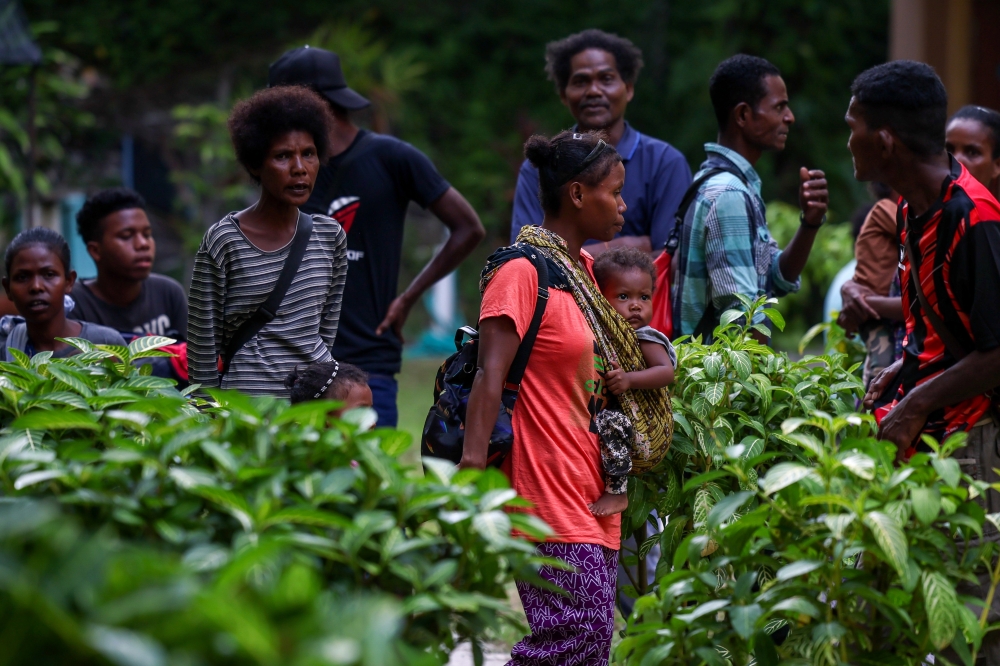
The article explores the question of whether the dental outreach programs offered to Orang Asli communities in Malaysia are truly effective or if they may be addressing issues that are not the primary concerns for these communities. These outreach programs typically involve providing portable dental chairs, toothbrushes, and fluoridated toothpaste, as well as conducting screenings and offering basic treatment and oral health education.
However, the authors note that observations from these programs have revealed patterns of oral health that differ from those typically seen in urban populations. They suggest that changes in lifestyle, particularly dietary habits and the growing availability of processed foods, may be contributing to increased oral health issues among Orang Asli communities.
Yet, relying solely on observations from outreach programs is not enough to establish a causal relationship between these changes and the rise in disease. Instead, it should prompt a more thorough examination of broader social, cultural, and environmental factors that impact health.
The Orang Asli have a long history in Peninsular Malaysia and maintain their own traditions and knowledge related to health and well-being. Among the Semai, for instance, traditional healers known as Tok Halaq play a significant role in health promotion and healing. Traditional practices may include the use of leaves, roots, and other organic materials for personal and oral hygiene.
Betel quid chewing, or sirih, is also an essential cultural and social practice in some communities, although its association with oral potentially malignant disorders and oral cancer is a growing concern.
While Orang Asli communities are aware of the link between poor oral hygiene and dental and periodontal disease, as well as the potential harms associated with betel quid chewing, their knowledge is not necessarily enough to address the issue. A 2019 study among Orang Asli children aged 11-12 years in Cameron Highlands found that 61.6% had dental caries and 96% exhibited signs of gingivitis, even though many reported brushing twice daily with fluoridated toothpaste. This indicates that oral hygiene education alone may not be sufficient to tackle the problem.
The authors argue that the current delivery of dental outreach programs may not be sustainable, as they often provide episodic interventions without continuity of care or local capacity-building. These programs can identify previously undiagnosed disease, alleviate pain, offer treatment, and connect underserved communities with healthcare professionals.
However, they may have limited long-term impact due to practical barriers to accessing oral healthcare, such as geographical distance and time constraints. Some Orang Asli individuals may self-medicate or seek assistance from traditional healers when symptoms persist.
To build more sustainable and effective oral healthcare systems, the authors suggest that existing community knowledge should be recognized rather than replaced by modern healthcare. This could involve partnering with traditional healers, Tok Batin, families, and other trusted community members to become oral health advocates. Mobile dental services could provide more regular follow-up rather than isolated visits, and nutrition education should address the increasing availability of processed foods while remaining sensitive to traditional food practices and food access realities.
Ultimately, the authors emphasize that the goal should not be simply to deliver more services in Orang Asli communities but to build healthier and more sustainable systems with them. This means engaging in respectful engagement with community knowledge, understanding barriers from their perspective, and designing programs around their priorities. By taking this approach, the hope is to improve access to evidence-based care while respecting cultural knowledge, community priorities, and self-determination.
Written by urgent.news from Malay Mail's reporting — not their text. Machine-written — may contain errors; check the original before relying on it.