Americans might say they have ‘nothing to hide’, but many wouldn’t hand over access to their phone — even for $1 million
Incogni report finds those with 'nothing to hide' are more likely to snoop on the phones of their friends and family
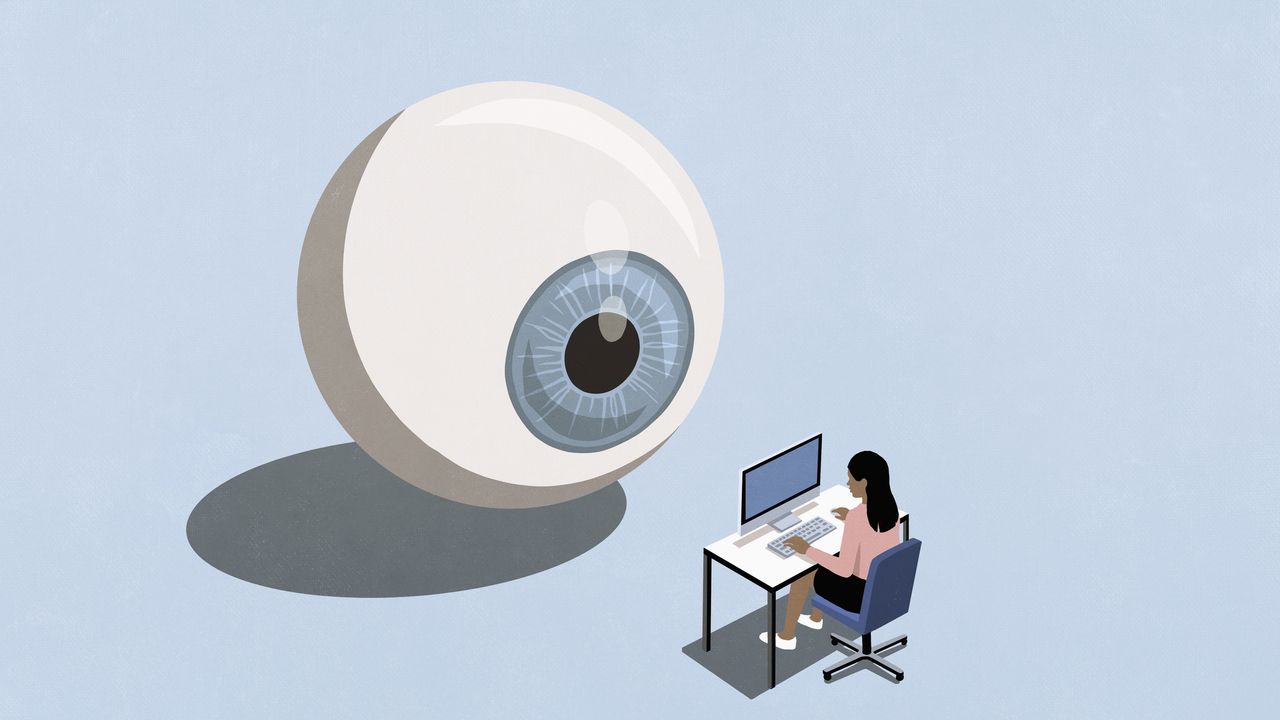
A recent survey conducted by Incogni has revealed that many Americans claim to have "nothing to hide" regarding their privacy, yet they are reluctant to share their phone's access with others, even if offered a substantial sum of money. Gen Z individuals are the most likely to express this sentiment, with 57% of them agreeing, while only 26% of Baby Boomers hold the same view.
Interestingly, those who stated they had nothing to hide were twice as likely to snoop on other people's devices in public and were more inclined to search through their partners' and family members' phones without permission. Despite this, 39% of Americans still covered their cameras with tape, stickers, or sliding covers. Moreover, 41% of those who claimed to have nothing to hide admitted to paying to enhance their privacy, such as using fake names, false dates of birth, or masked emails while signing up for online services.
However, when presented with the opportunity to hand over their phone to a stranger in exchange for money, 60% of the respondents refused any offer, with 20% stating they would only consider it for $1 million or more, and only 6% would agree for $100 or less. This behavior was consistent across various groups, with 58% of those with nothing to hide refusing to let a stranger access their unlocked phone for any amount of money.
When considering sharing sensitive data, only 39% would share their SMS, chat-app, and email messages with law enforcement, and even then, the number drops to 25% when the recipient is Big Tech companies, 24% for local government, and 21% for the federal government. The survey suggests that the "nothing to hide" argument may reflect a lack of awareness of the consequences of losing privacy, rather than a genuine disregard for it.
Written by urgent.news from TechRadar's reporting — not their text. Machine-written — may contain errors; check the original before relying on it.