A long war will permanently damage oil demand
US President Donald Trump seems to be hastening the end of the oil age.
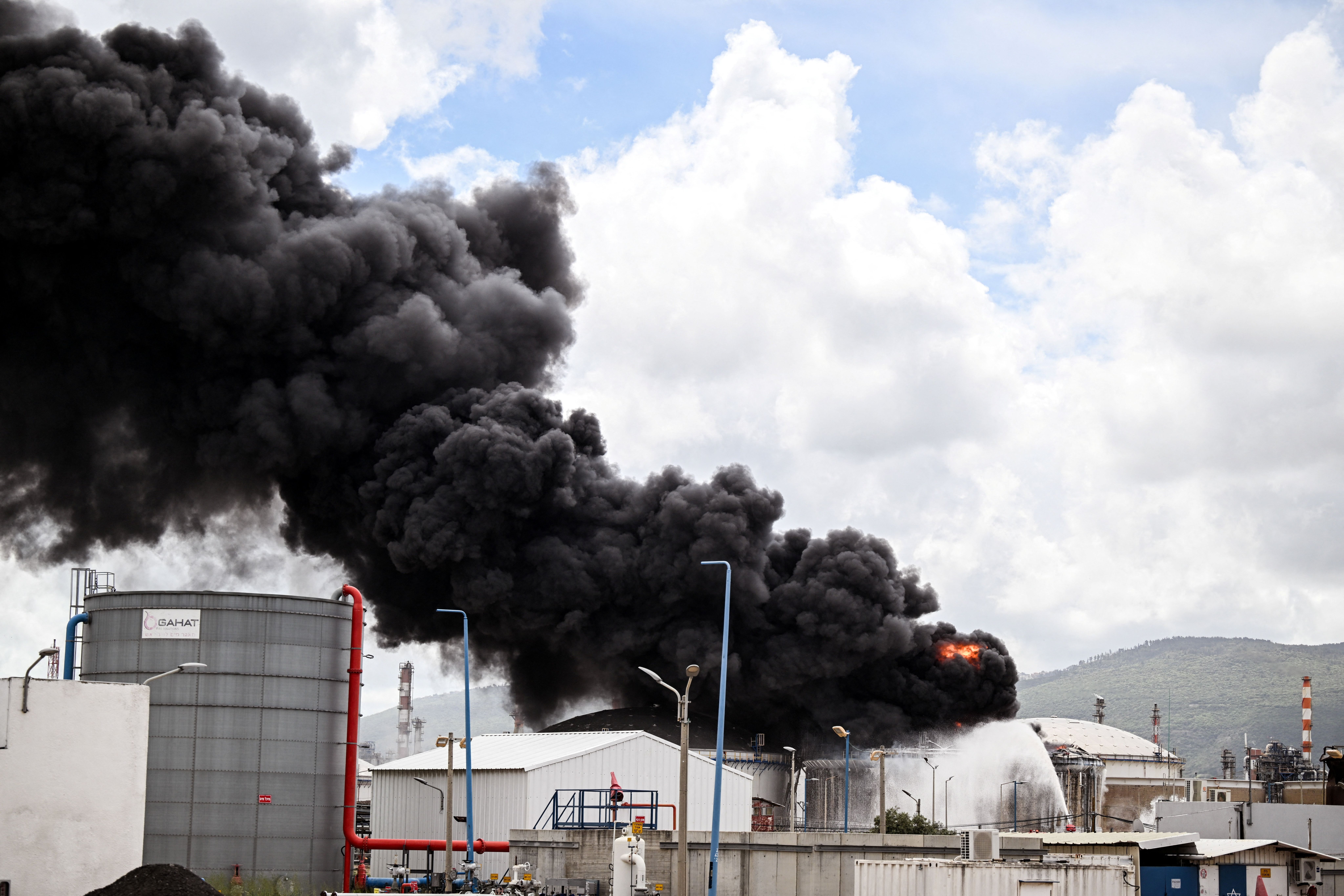
The return of crude oil prices back above $100 per barrel suggests that US President Donald Trump may be hastening the end of the oil age. This surge in prices has caught Wall Street off guard, with major banks and the US Energy Information Administration raising their 2027 price forecasts. The supply disruption in the Strait of Hormuz, exacerbated by the Iran war, is a key concern. However, the demand side of the equation is also evolving, potentially leading to counterintuitive effects.
Analysts suggest that oil prices tend to fluctuate more than other commodities due to the assumption that demand is highly inelastic. Although a slight dip in gasoline prices doesn't necessarily drive consumers to buy new cars, maintaining fuel costs can be challenging for those who rely on cars for daily transportation. The proliferation of alternative energy sources has led to a lower tolerance for pricey oil products among businesses and consumers, resulting in a reduced demand for fuel.
According to Natasha Kaneva of JP Morgan, oil demand has fallen about 5 million barrels per day below last year since the war began, absorbing the majority of the price shock. This demand destruction is not solely due to price increases but is also caused by the physical damage to Russian refineries from Ukrainian air strikes and reduced production at Gulf refineries with no export capacity.
If the Strait of Hormuz remains partially closed, Kaneva predicts that oil demand next year will reach its lowest level since 2019. In essence, President Trump's actions might be delaying the peak of oil consumption rather than promoting it.
Written by urgent.news from Semafor's reporting — not their text. Machine-written — may contain errors; check the original before relying on it.


