Young Chinese turn to Mao Zedong for life advice, 50 years after his death
When you are denied a pay rise, when you feel anxious about your children’s education, or when you are alienated by colleagues, Chairman Mao can help. At least, that is what China’s online influencers and their hundreds of thousands of followers believe. Wednesday marks the 50th anniversary of the death of Mao Zedong, founding father of the People’s Republic of China. Chinese authorities have not…
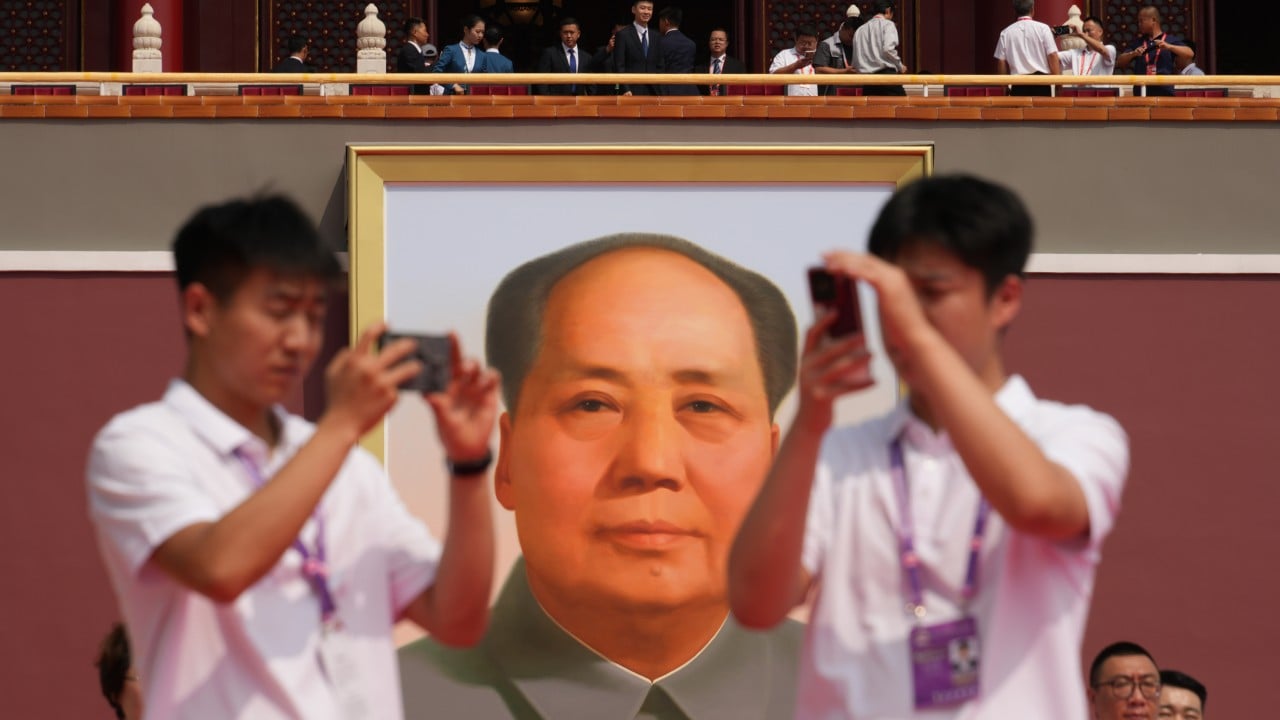
When faced with challenges such as denied pay raises, anxiety over children's education, or alienation from colleagues, China's online influencers claim Chairman Mao Zedong's wisdom can provide guidance. As the 50th anniversary of Mao's death approaches, his popularity among younger generations has quietly resurfaced. Despite official silence on the anniversary, Chinese authorities have only opened the Chairman Mao Memorial Hall in Beijing for an extra three hours, with visiting slots for the week fully booked.
Influential social media users, often citing Mao's teachings during periods of US-China tensions, reference his slogan about imperialism as a "paper tiger" to express their disapproval of foreign interference. Young Chinese individuals are also organizing online book clubs focused on Mao's works, using AI-narrated videos to spread his ideas, and affectionately referring to him as "teacher," a title he himself preferred.
Mao's image as a symbol of resilience and dedication to the common people resonates with many online admirers. One Douban blogger, who prefers to remain anonymous, credits Mao's selflessness, particularly sending his son to the battlefield, as a source of inspiration. She emphasizes that his perspective encourages her to view mistakes as valuable learning experiences and to avoid harsh self-criticism.
Students at Hunan Normal University visit Mao's enormous statue before final exams to seek blessings for success. Li Muqi, a second-year university student, believes Mao's spirit can help young people achieve their ideals amid the current economic and social pressures in China. The popularity of Mao's teachings aligns with China's official narrative of national independence, but experts caution that his ideas may also fuel skepticism about the country's economic policies and Marxist interpretation.
A growing number of young people are disillusioned with contemporary China and find it difficult to achieve their aspirations. The official urban unemployment rate for young people aged 16 to 24 reached a record high of 21.3% in June 2023, leading graduates to jokingly consider blue-collar jobs with low pay. Chinese scholars argue that Mao's theories on class struggle and conflict are still relevant, offering a means of understanding and coping with the current challenges.
Written by urgent.news from South China Morning Post's reporting — not their text. Machine-written — may contain errors; check the original before relying on it.