With Hezbollah battered, Iran’s emerging proxy network of Houthis and Iraqi militias target Saudi Arabia and other U.S. allies
Cooperation between the two groups grew during the war in Gaza and now they are “squeezing Saudi like with pliers,” a senior analyst said.
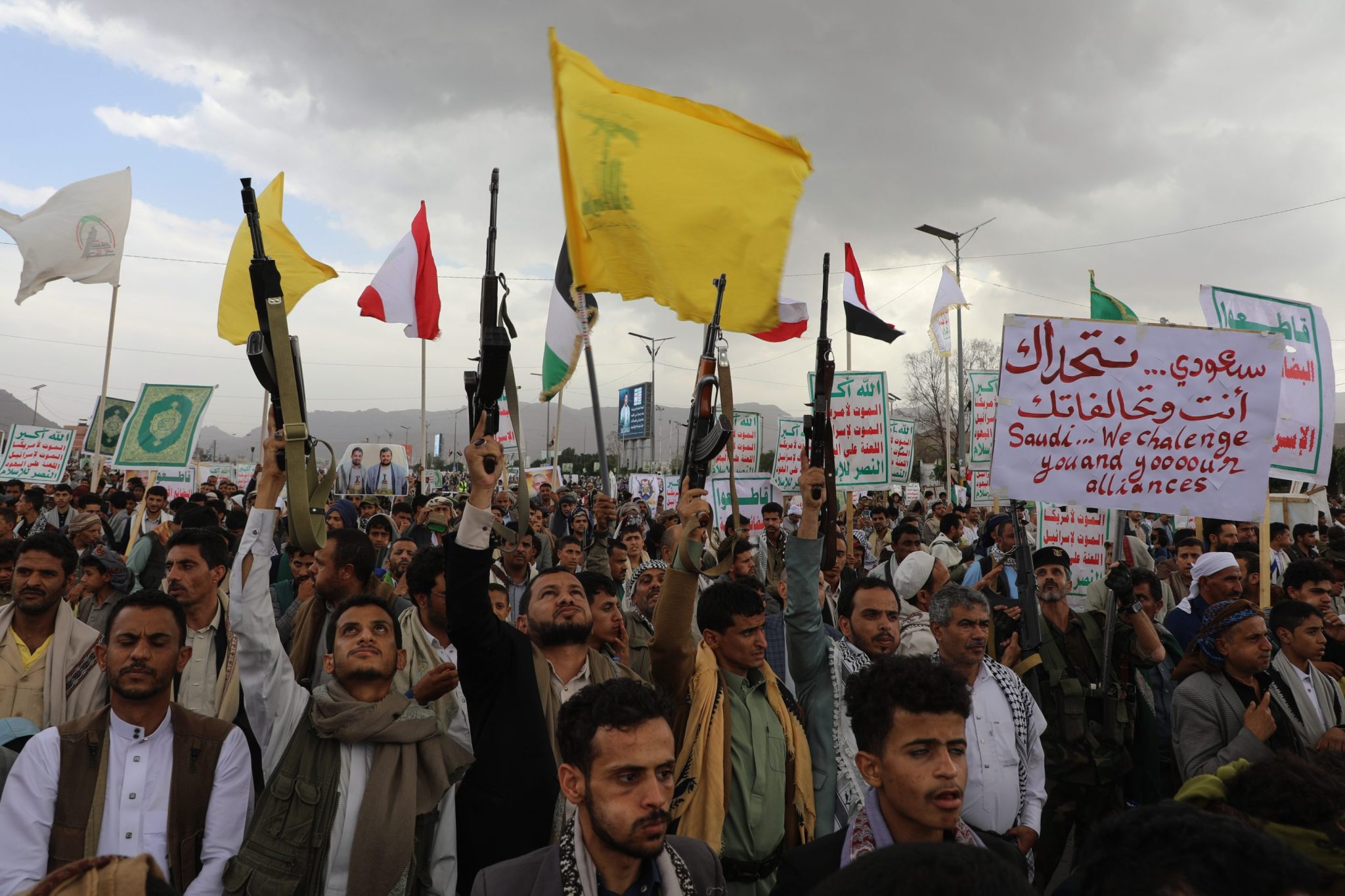
In July, Saudi Arabia and the United States launched airstrikes against Iran-backed militias in Iraq after accusing them of carrying out drone strikes on Saudi oil facilities. The Houthi rebels, another Iranian ally, are believed to have helped plan and execute the recent two-day attack, demonstrating a heightened level of coordination between Iran's proxy networks.
Iran has invested years in cultivating armed groups along Israel's borders, which suffered significant losses following Hamas' Oct. 7, 2023, attack in Gaza. In response to U.S. and Israeli actions, Iran and its allies have intensified their attacks on Gulf nations to escalate the conflict and inflict economic pain on major oil-producing countries that host American forces.
This approach carries inherent risks, as the recent Houthi assault on Saudi oil facilities threatens to reignite a full-scale war with the kingdom. Iraq has ordered the militias to disarm by the end of the month; however, the Iran-backed groups have refused to comply. The United States is concerned about the growing Houthi presence in Iraq and their potential to launch attacks on other countries, including Saudi Arabia.
Despite denials from the Popular Mobilization Forces, a coalition of Iran-backed militias, the Houthi involvement in the Iraqi drone attack has been verified by Saudi and Iraqi officials. The Houthi blockade of Saudi shipping in the Red Sea has heightened tensions, with over a dozen attacks against Saudi oil facilities and tankers in the region since late July.
Saudi Arabia has had to implement a "dark" transit policy, turning off tracking signals on oil tankers to evade the Houthis' attacks. The Houthis have extended their reach by targeting Saudi oil facilities and tankers in the Red Sea and the Suez Canal, demonstrating their willingness to endure short-term losses in pursuit of long-term gains, such as gaining control over the Red Sea coast.
Written by urgent.news from Fortune's reporting — not their text. Machine-written — may contain errors; check the original before relying on it.