What Peatlands Can Teach Us About Time
I am sitting in a frost pocket in West Virginia, looking at a Canada warbler. It is World Migratory Bird Day in spring, the second Saturday of May, and I have spent the past week in search of warblers. The
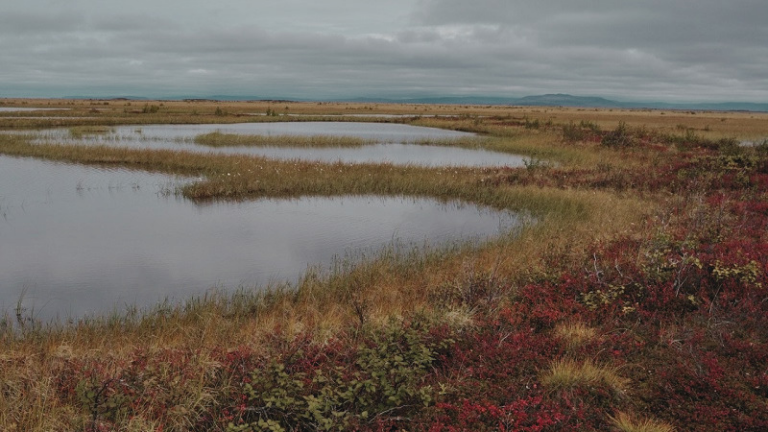
In the mountains of West Virginia, I am captivated by a Canada warbler, a migratory bird traveling between Central and South American winter homes and northern breeding grounds. As part of a week-long search for warblers, I find myself in the Cranberry Glades Botanical Area, a peatland located in the Monongahela National Forest. The peat bogs here seem reminiscent of muskegs found in northern Canada, thriving in frost pockets that trap cold air from the surrounding mountains.
The Cranberry Glades stand resilient in an ancient landscape, dating back more than 10,000 years. As the Pleistocene period unfolded, these peatlands emerged as the world warmed and moisture increased. Despite covering only 3 to 4 percent of the land surface, peatlands store twice the carbon found elsewhere, making them significant players in the earth’s climate system.
As I meander along the boardwalk through the dense alder and rhododendron patches, I am surrounded by Sphagnum mosses, black chokeberry, skunk cabbage, and teaberry. Tall hummocks of cinnamon ferns rise above the moss mat, with emerald fronds unfurling toward the sun. An eastern hemlock and an eastern hemlock provide shelter for a male Canada warbler, its lemon-yellow underside adorned with fine black streaks.
This peatland's slow decomposition, preserved by the acidic, moist conditions, creates a time capsule from which scientists can glean the secrets of past plant life and climate changes. In this relict from a colder era, I sense the passage of millennia and are reminded of the slow, steady workings of nature that have shaped our planet over eons.
Written by urgent.news from Literary Hub's reporting — not their text. Machine-written — may contain errors; check the original before relying on it.