What does the arctic have to do with Malaysia’s rain? — Sheeba Chenoli
*Universiti Malaya researchers are investigating how climate processes in the Arctic and Antarctic may be connected to M...
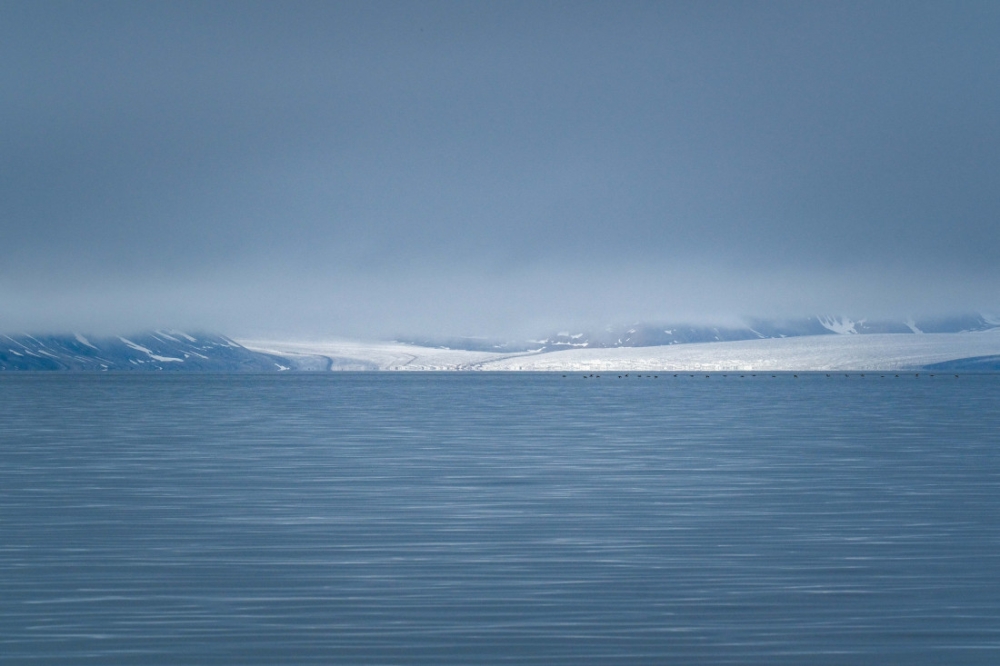
Researchers at Universiti Malaya are exploring the potential links between climate processes in the Arctic and Antarctica and Malaysia's monsoons. While Malaysians may seem distant from the poles, changes occurring at the Earth's poles could have far-reaching effects on local weather patterns. The Northeast Monsoon, responsible for heavy rainfall and potential flooding along Malaysia's eastern coast, is influenced by broader climate processes that extend well beyond the country's borders.
Understanding these wider climate dynamics is crucial as global climate conditions continue to evolve. Scientists have observed that climate phenomena in one part of the world can impact weather patterns elsewhere, as seen with the El Niño and La Niña events. These climate relationships, known as teleconnections, are a key focus of current research.
Malaysia has been investigating tropical-polar climate connections for over two decades, with early work by Emeritus Professor Datuk Dr Azizan Abu Samah laying the groundwork. Researchers at Universiti Malaya are currently examining the relationship between Antarctic sea-ice extent in the Indian Ocean and the Indian Summer Monsoon.
They are also studying the Arctic Oscillation, a large-scale atmospheric pressure pattern that can affect atmospheric circulation over East Asia. By understanding these connections, scientists hope to improve predictions of monsoon variability and extreme rainfall events in Malaysia. Malaysia is also actively participating in international efforts to deepen the understanding of tropical-polar climate connections.
The Tropical Antarctic Teleconnections (TATE) Action Group, chaired by Dr. Sheeba Chenoli since 2018, has recently transitioned into a SCAR Expert Group. This collaborative initiative brings together researchers from diverse fields and regions to better understand the complex interactions between the tropics and polar regions. While it may appear remote, studying the Arctic and Antarctic can provide valuable insights into the global climate system, helping to better comprehend the climate closer to home.
Written by urgent.news from Malay Mail's reporting — not their text. Machine-written — may contain errors; check the original before relying on it.