Understanding the thermal ceiling in portable power
Plug a phone into a modern charger and the first 10 minutes are impressive. The next 20 are not. This is not a defect. It’s the connected device protecting itself. As temperature rises during charging, a smartphone’s battery management system reduces the current it will accept, because heat accelerates the chemical degradation that permanently reduces…
Lithium-ion batteries gradually lose capacity as they heat up. A phone's charging system reduces the current it accepts when the battery gets too hot, because the heat speeds up chemical degradation. This creates a gap between a product's rated output and how it performs during actual use. Consumers focus on wattage specs without considering how temperature affects real-world charging.
Magnetic wireless charging exacerbates this issue, as the heat generated at both coils and the device being charged cannot dissipate effectively due to the direct contact between the heat source and the device. Manufacturers have tried to improve thermal performance through materials science, but there is a limit to how much heat can be moved away from the source in a small, portable enclosure.
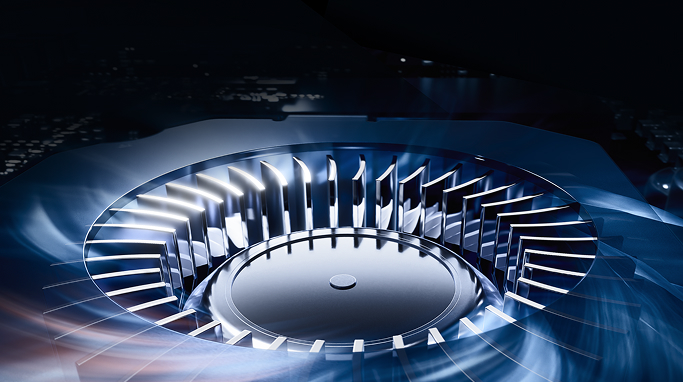
Active thermal management, which is common in stationary electronics, has been largely absent in portable devices due to added weight, volume, and noise. Anker's MagGo Power Bank 2 Pro tackles this problem by incorporating a micro centrifugal fan, dual airflow channels, a graphene heat-spreading layer, and an adaptive control algorithm that modulates fan speed based on real-time temperature and battery state.
This results in a cooler and faster charging experience, with the back of the power bank staying below 36°C even under wireless charging at 77°F (25°C) ambient temperature, a 12°C improvement over international standards. The company has also added real-time power, temperature, battery level, and estimated time remaining displays to their products, aiming to give users a more accurate representation of the product's performance.
Written by urgent.news from MIT Technology Review's reporting — not their text. Machine-written — may contain errors; check the original before relying on it.