UAE-Germany ties move from trade to building together
At BMW’s plant in Landshut, Bavaria, a foundry casts engine parts, components for electric cars and body structures. In 2021, BMW agreed to buy 43,000 tonnes of solar-produced aluminium a year from Emirates Global Aluminium, nearly half the foundry’s requirements at the time. The electricity came from the Mohammed bin Rashid Al Maktoum Solar Park in the desert outside Dubai. EGA had supplied BMW…
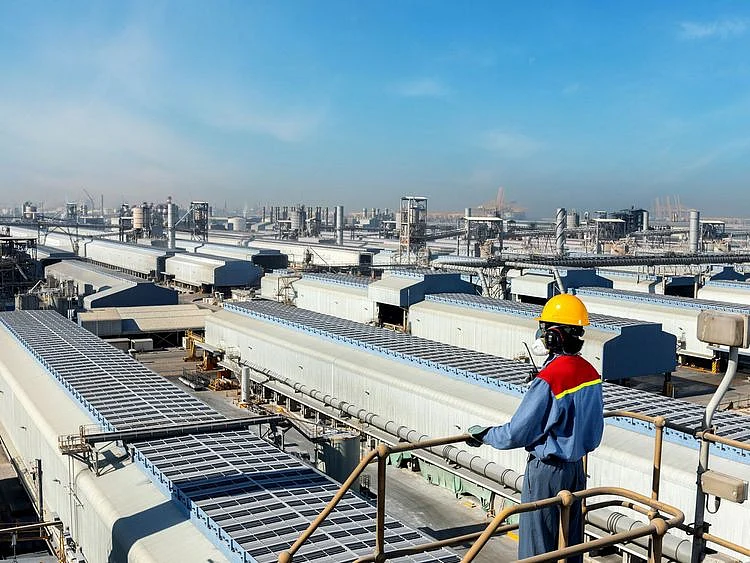
The relationship between the UAE and Germany has evolved from trade to a more collaborative partnership, focusing on joint development and mutual investment. BMW's partnership with Emirates Global Aluminium (EGA) is a prime example, as the Emirates company became the first to produce aluminium commercially using solar power, supplying BMW with this sustainable material. The agreement was extended in 2024, aiming to increase the recycled metal share while meeting BMW's specifications.
The UAE-Germany relationship is built on a strong foundation of diplomatic ties, dating back over five decades. In September 2025, His Highness Sheikh Mohamed bin Zayed Al Nahyan, President of the UAE, began a state visit to Germany, further solidifying the strategic partnership. This visit comes after over five decades of diplomatic relations and the establishment of a strategic partnership in 2004, with further steps to strengthen cooperation in 2019 and 2022.
Trade figures demonstrate the success of this partnership. Non-oil trade between the two countries rose by more than 14 percent, from $13.59 billion in 2024 to $15.51 billion in 2025. However, the deeper impact lies in how each country benefits from the other's capabilities. The UAE's clean energy can provide an industrial advantage, while Germany's investment in the UAE totals $8.96 billion over the last four years.
The UAE-Germany partnership extends beyond large companies. Around 2,000 German businesses operate in the UAE, providing access to Asian and African markets. The Emirati opportunity lies in nurturing these companies by investing in local engineering teams, training, and supplier relationships. Energy plays a crucial role in this partnership, with ADNOC and RWE exploring liquefied natural gas supply to Germany and other European markets, as well as battery-storage projects.
The strategic significance of these partnerships becomes evident in Germany's search for broader partnerships in the face of an increasingly political landscape. Germany aims to diversify its access to investment and markets, while the UAE seeks to deepen its industrial expertise and connections with European production networks.
Building on existing business relationships, the two countries can develop new products, test industrial artificial intelligence, and focus on training to meet the skills required in these projects.
Written by urgent.news from Gulf News's reporting — not their text. Machine-written — may contain errors; check the original before relying on it.