Two wild Przewalski’s horse foals born in Kazakhstan after 200 years
Two Przewalski’s horse foals were born in a reintroduction center in the grasslands of central Kazakhstan in late August. They are reportedly the first wild horses born on Kazakh soil in more than 200 years. The first foal, a male, was born Aug. 22 to a 7-year-old mare named Tessa. The second, also male, followed […]
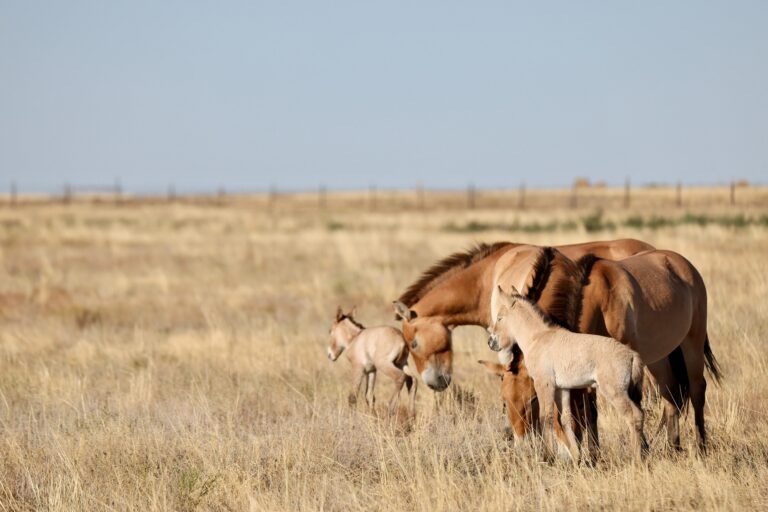
Two Przewalski's horse foals were born in a reintroduction center in central Kazakhstan's grasslands in late August, marking the first wild horses born on Kazakh soil in over 200 years. The first foal, a male, was born on August 22 to a 7-year-old mare named Tessa, followed by the second male foal on August 31, born to a mare named Umbra.
Both foals have the same father, a stallion named Zorro, who has since passed away. The newborn Przewalski's horses, whose species is Equus ferus przewalskii, have not been named yet but their births are being celebrated as a significant milestone for the Kazakh reintroduction effort. According to Alyona Krivosheyeva, conservation director of the Association for the Conservation of Biodiversity of Kazakhstan (ACBK), the birth of these foals indicates that the horses are adapting to the local climate and territory, proving the success of the conservation efforts.
Both foals were born inside a 56-hectare enclosure at the Alibi Wild Ungulates Reintroduction Center, which is part of Kazakhstan's Altyn Dala State Nature Reserve. This reserve is also an important recovery site for other endangered species such as saiga antelopes and Asiatic wild asses. Przewalski's horse, locally known as kertagy, is the only living wild relative of the domestic horse.
It was once considered extinct in the wild until an adult was discovered in 1996, after which it was re-listed as critically endangered.
Written by urgent.news from Mongabay's reporting — not their text. Machine-written — may contain errors; check the original before relying on it.