TSMC’s High-NA Plan Gives ASML a Catalyst, but Investors Face Two Different Timelines
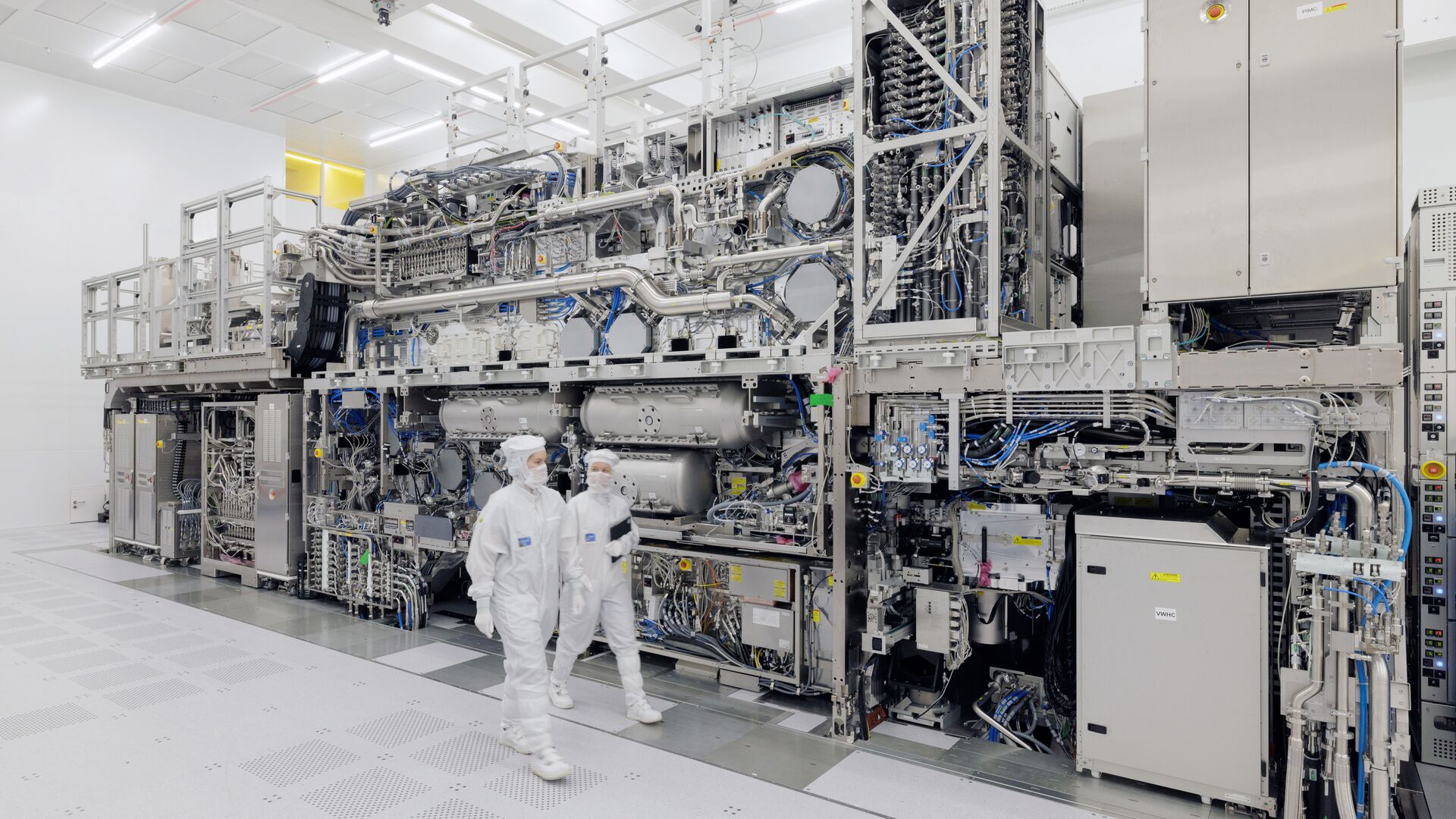
ASML Holding N.V. and Taiwan Semiconductor Manufacturing Company Limited have provided investors with a clearer outline of their manufacturing progression. The discrepancy lies in the timing of potential returns. According to their September 8 announcement, TSMC plans to integrate ASML's High-NA extreme ultraviolet technology into high-volume advanced-node manufacturing by 2030.
Additionally, a substantial photomask pilot line is slated for 2031, followed by advanced production systems in 2033. These dates represent a sequential rollout, not a solitary launch postponed until 2033. Initial production would utilize existing six-inch masks; the subsequent transition would incorporate twelve-inch masks. For ASML, the fact that a major customer has stated their adoption plan bolsters the long-term demand outlook.
As AI chips become more sophisticated, TSMC anticipates a growing need for High-NA technology as nodes shrink. The announcement doesn't disclose order values, shipment schedules, or earnings contributions, suggesting investors should perceive the roadmap as an enhanced understanding of a potential market, rather than confirmed equipment sales.
TSMC, on the other hand, must evaluate the cost-effectiveness of new equipment to support customer demand and justify the capital investment. A manufacturing edge could bolster TSMC's foundry position, but the investment must generate value through yield, utilization, and pricing to yield an acceptable return. The larger masks are anticipated to enhance productivity, cut costs, and eliminate stitching limitations.
These projected benefits of the future transition haven't materialized in either company's results yet. The supplier can gain when customers purchase and accept the equipment; the manufacturer must then convert that capacity into profitable output. This temporal difference implies the same technological milestone holds significance for both stocks without equalizing their earnings exposure.
Moreover, execution involves more than just these two companies. Mask suppliers and other partners need to deliver a functional ecosystem. A scanner, by itself, cannot establish an economically viable production process; slower customer adoption could delay ASML's potential. Previous ownership data reveals 140 ASML holders in Q2 2026, compared to 133 in Q1, and 249 TSMC holders versus 234.
Ken Fisher's firm reported positions in both companies. The August 14 short-interest snapshot was modest, with 0.34% of ASML's float and 0.59% of TSMC's shares being shorted. For ASML Holding N.V., monitor the conversion of adoption plans into orders and deliveries. For TSMC, focus on manufacturing economics. The roadmap presents opportunities for both investments, but it doesn't conclusively tip the scales.
While both ASML and TSMC are considered investments, the authors believe certain AI stocks present a higher upside potential with less downside risk. They suggest exploring their free report on the best short-term AI stock, highlighting the trillion-dollar AI capex gap that could present opportunities for Nvidia and Microsoft, while also acknowledging skepticism towards SpaceX's orbital data centers. Disclosure: None. Follow Insider Monkey on Google News.
Written by urgent.news from Yahoo Finance's reporting — not their text. Machine-written — may contain errors; check the original before relying on it.