Trump bans Canadian alcohol and targets wider range of goods in escalating trade war
WASHINGTON, Sept 9 — US President Donald Trump yesterday escalated his trade war against Canada, banning imports o...
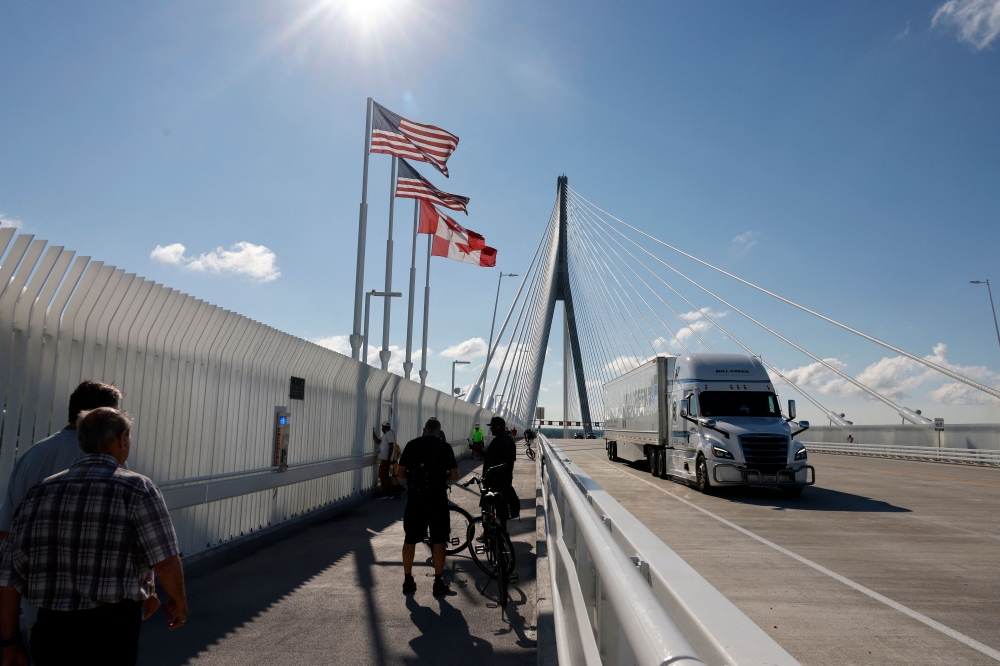
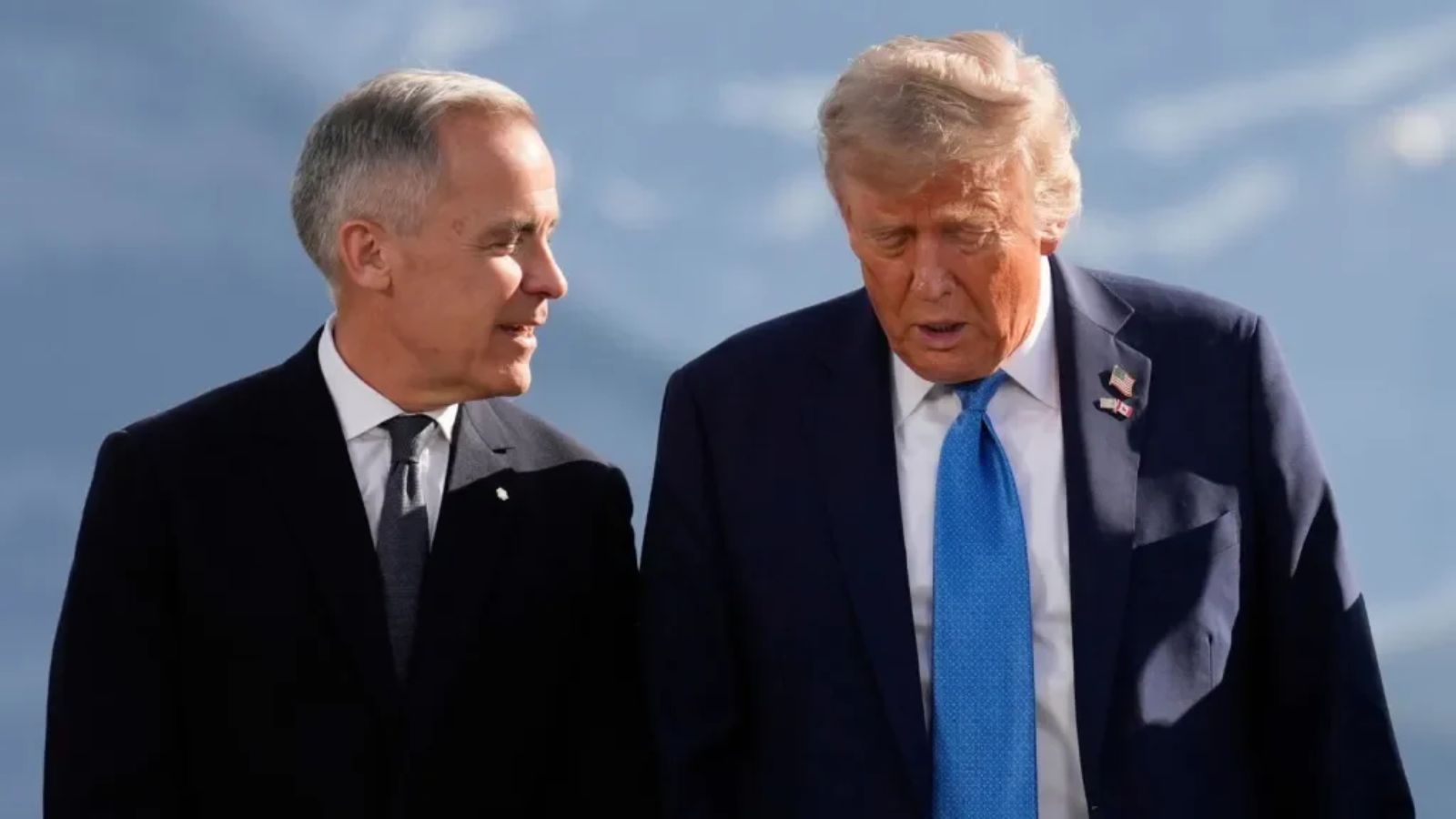
On September 9, US President Donald Trump further escalated his ongoing trade dispute with Canada, imposing bans on alcohol imports and imposing additional tariffs on a diverse range of products. Prime Minister Mark Carney of Canada responded with a firm stance, warning that the economic consequences of reduced ties with the United States would be costly but conceded that the benefits would ultimately outweigh the pain.
Starting September 15, US tariffs of 50% will be applied to various Canadian goods, including mattresses, motorboats, and golf carts, according to Trump's executive order. The alcohol ban, targeting numerous alcoholic beverages and certain dairy products like whey, will take effect on September 29, as announced by separate executive orders issued simultaneously.
Canada retaliated by implementing tariffs on C$27.6 billion (RM81.1 billion) worth of US imports, including steel, aluminum, and dairy products such as cheese, in response to the duties Washington announced on August 22. Canadian Prime Minister Carney assured that Canada has the resources to adapt and thrive despite the challenges, stating that there is always a cost associated with action, yet it does not compare to the cost of stagnation. He emphasized that Canada's pivot will require sacrifices, but it is a necessary step.
Trump vowed to restrict Canadian companies from securing US government contracts in retaliation for the Canadian tariffs. He directed officials to remove Canadian-origin products from the General Services Administration's Multiple Award Schedules, which handles long-term contracts worth over US$50 billion (RM202 billion) annually.
On Monday, Trump threatened to block Bombardier Aerospace's sales in the US unless the company relocated its manufacturing to the United States. In response, Bombardier highlighted its contribution to the US economy, creating tens of thousands of jobs in over 20 states, including Kansas, Texas, Arizona, and California.
Two Republican senators representing Kansas expressed their concerns to the White House, vowing to protect Bombardier's more than 1,200 jobs in the state. Carney, in a video statement, rejected Trump's escalation, insisting that the measures are necessary to safeguard workers, businesses, and communities. He stressed that this dispute is about Canada's identity.
Canada's Trade Minister with the United States, Dominic LeBlanc, stated that Ottawa is evaluating the latest tariff measures. Negotiations between the two nations ceased in August after several meetings in Washington, with Carney alleging that US negotiators introduced restrictions on Canadian trade deals with other countries and made unacceptable threats to the French language and Quebec culture. Since then, Ottawa and Washington have not resumed discussions.
The US president also posted an illustration of himself dominating Carney while playing ice hockey, declaring, "Get up, governor," a reference to his resolve to integrate Canada into the United States. Trump signed an order in August to rename Lake Ontario, located on the border with Canada, as "Lake America," causing outrage in Canada amidst a surge of patriotism triggered by the US president's hostility.
While Carney enjoys public support in Canada, his country remains dependent on its neighbor, with nearly 60% of Canada's imports coming from the United States and about 70% of its exports going to the US market. To support businesses and workers, Canada's government has introduced an aid package worth C$7.5 billion (US$5.4 billion).
Written by urgent.news from Malay Mail's reporting — not their text. Machine-written — may contain errors; check the original before relying on it.