TRM Labs valuation doubles to $2 billion as crypto crime fighter scales AI services
The startup declined to specify the size of the follow-on round, but said it is on track for ARR of $100 million for 2026.
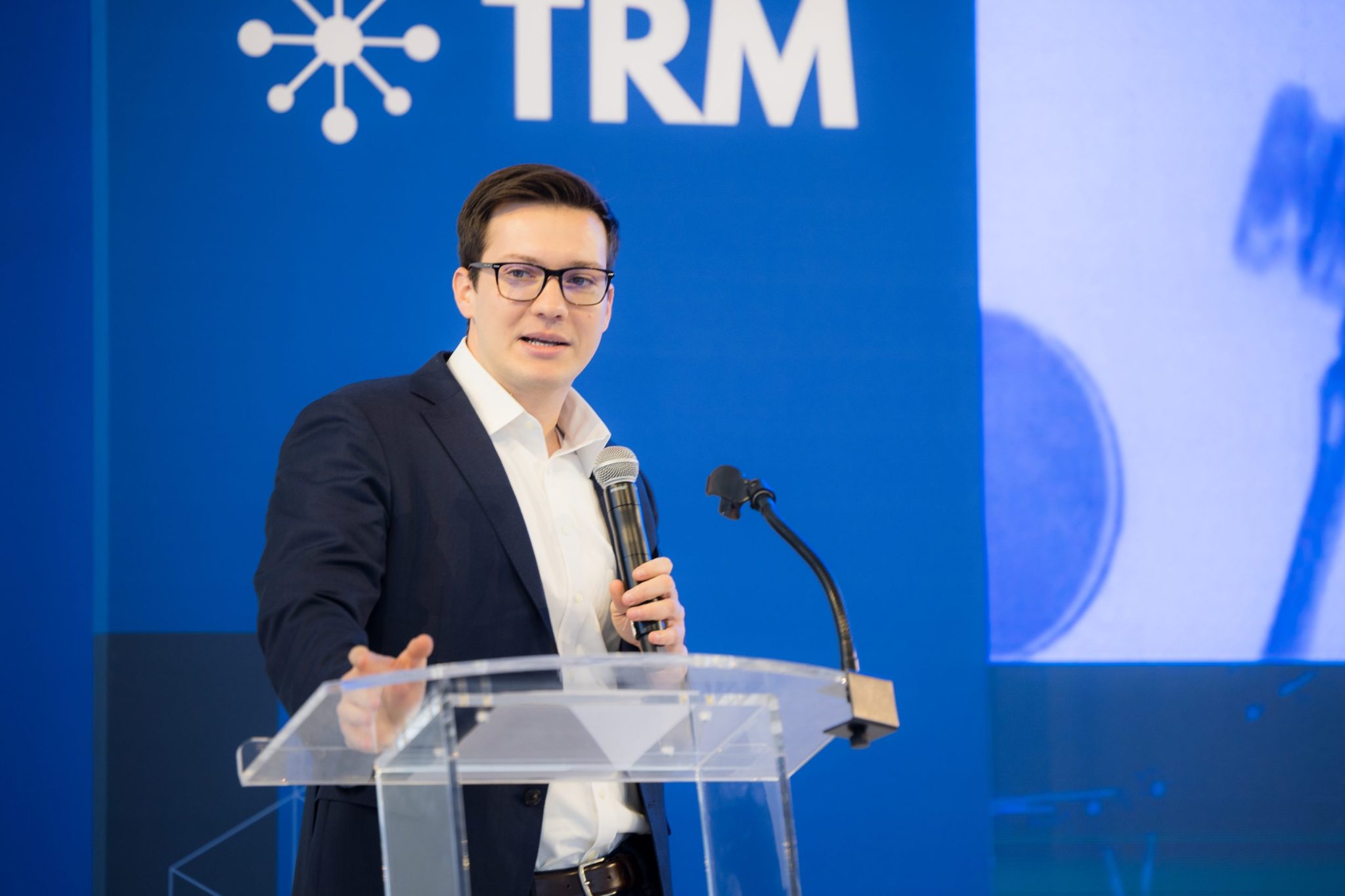
TRM Labs, a San Francisco-based startup that assists law enforcement in tracking cryptocurrency criminals, has seen its valuation double to $2 billion after raising an additional $70 million in September. CEO Esteban Castano explained that the company is expanding its focus to combat AI-driven crime, a market he calls a "second growth engine for our business."
TRM Labs is developing a new platform to identify and prevent scams and other crimes that have surged with the advent of artificial intelligence. This shift in strategy allows the company to view all criminal networks, from cyber hackers to wildlife poachers and child pornographers, through a unified lens. Castano emphasized that while blockchain forensics remains a core part of TRM Labs' mission, the company aims to build a "generational company" by tackling a range of criminal activities, including those facilitated by AI.
The new platform, set to be announced in November, will specifically aid investigators in uncovering financial fraud and combating sextortion and child sexual abuse. With over 500 employees and offices in London, Singapore, and Washington, DC, TRM Labs is poised to tackle the growing threat of AI-driven criminal activity.
Written by urgent.news from Fortune's reporting — not their text. Machine-written — may contain errors; check the original before relying on it.