Tributes flow in as Hong Kong mourns Tung Chee-hwa, pioneering first leader
Hong Kong is mourning the death of Tung Chee-hwa, the city’s first leader after its return to Chinese sovereignty and a respected elder statesman, who died on Tuesday at the age of 89. Tung was surrounded by his family when he “passed away peacefully” at 9.57pm, according to state news agency Xinhua. Tributes and messages of grief poured in on Wednesday from across Hong Kong and mainland China,…
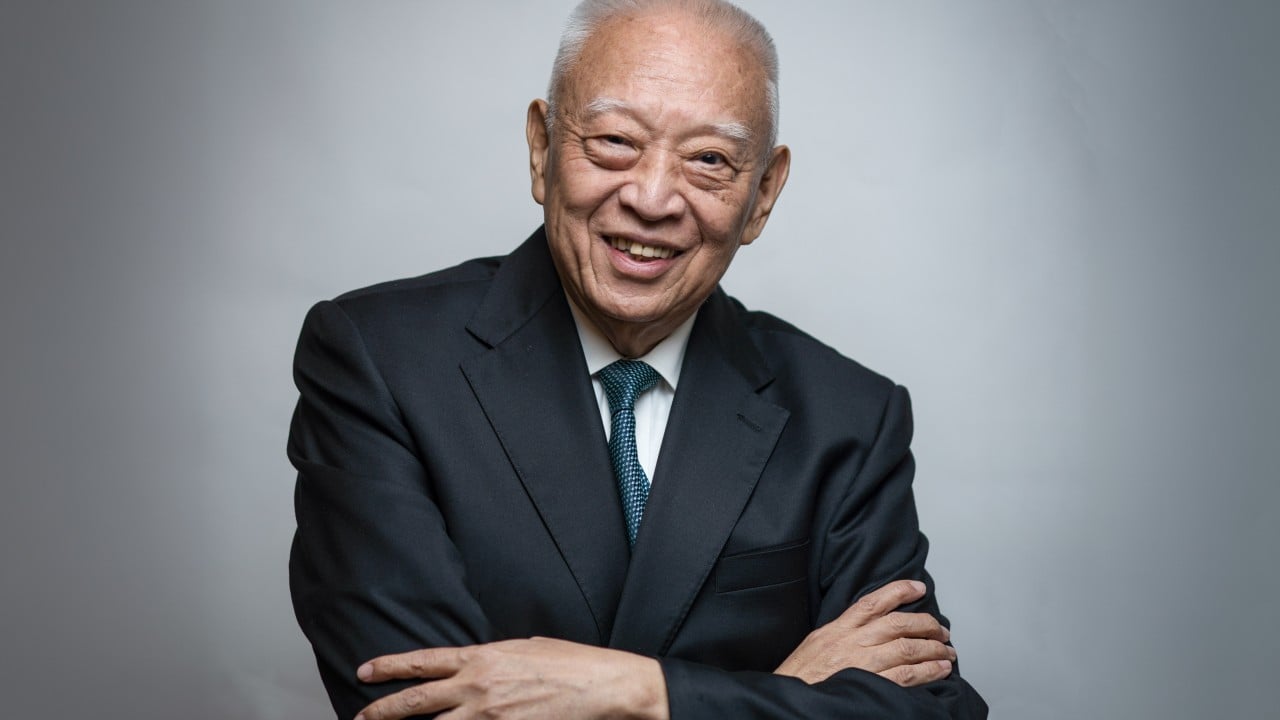
Hong Kong is mourning the passing of Tung Chee-hwa, its first leader following the city's return to Chinese rule and a revered elder statesman. The 89-year-old Tung died peacefully on Tuesday at the age of 89, surrounded by his family. Tributes and condolences have been flooding in from across Hong Kong, mainland China, and overseas since Wednesday, with officials, politicians, business leaders, and others praising his pioneering role in implementing the "one country, two systems" policy.
Tung was chosen as Hong Kong's first chief executive in 1996 and officially took office on July 1, 1997. He led the city through its transitional years and laid the groundwork for its post-handover prosperity. During his tenure, Tung faced numerous challenges and difficult policy decisions. The ambitious pledge to build 85,000 homes annually became a controversial policy, leading to its eventual cancellation amid a housing crisis and the Asian financial crisis.
In response to the crisis, Tung's administration directly intervened in the stock and futures markets in August 1998, injecting HK$118 billion to stabilize the Hong Kong dollar and equities market. This intervention was controversial due to Hong Kong's traditionally free-market stance, but officials later credited it with restoring financial stability. The government also launched the Tracker Fund of Hong Kong in 1999 to manage the accumulated shares.
During his second term, Tung faced intense political pressure over the controversial national security legislation, which was eventually shelved after widespread protests. The legislation was eventually passed in 2003, amid a worsening SARS outbreak and mounting public dissatisfaction over civil liberties and livelihood issues.
Tung acknowledged the shortcomings of his administration in a 2005 statement, admitting that the government had sometimes failed to understand public concerns and have been indecisive. Former officials have since acknowledged the lasting impact of Tung's leadership, describing his contributions as historic and enduring.
Written by urgent.news from South China Morning Post's reporting — not their text. Machine-written — may contain errors; check the original before relying on it.