The Women’s Professional Baseball League is betting that women’s baseball has a future in the US
What will it take for the league to survive, expand and carve out its own identity in an increasingly saturated pro sports landscape?
In the United States, women have been playing baseball since the 1860s, but societal stereotypes have long deemed baseball a male-dominated sport while softball has been the acceptable alternative for women. The Women's Professional Baseball League (WPBL) aims to challenge these perceptions by providing a professional league exclusively for female baseball players.
The WPBL began its inaugural season on August 1, 2026, in Springfield, Illinois, with a sellout crowd at Robin Roberts Stadium. The league's four teams have played 30 games so far, with notable performances like Kelsie Whitmore's three-homer game and Andréanne Leblanc's walk-off grand slam. The San Francisco Firebells secured the top spot in the regular season standings.
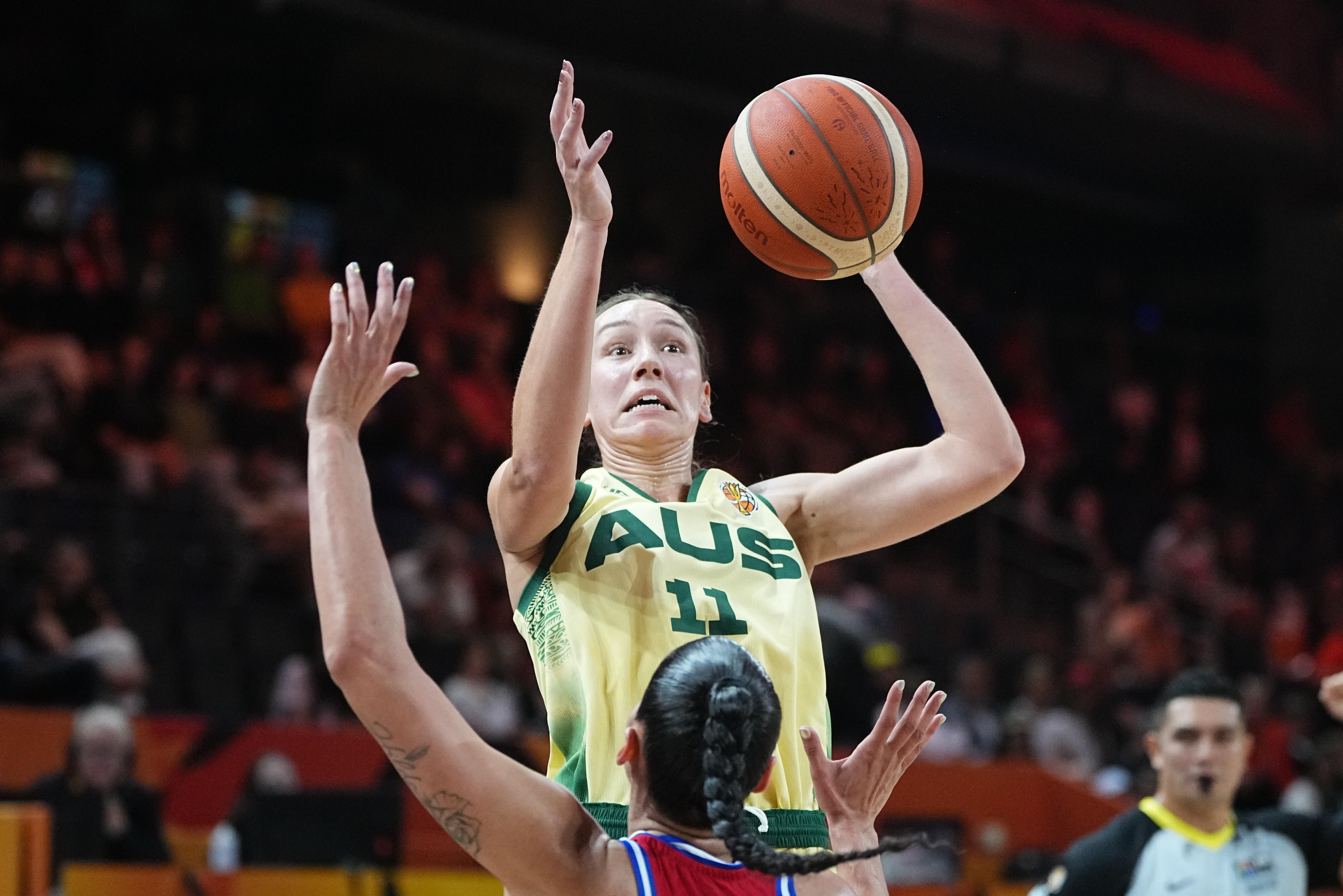
The playoffs, starting on September 9, will determine the league champion. The WPBL is strategically timed to coincide with the growing success of women's sports in the U.S., with established leagues such as the WNBA and National Women's Soccer League experiencing increased investment, higher valuations, lucrative media deals, and expanding fan bases.
The league's presence also signifies a cultural milestone as it offers a pathway for thousands of girls and women who prefer playing baseball over softball. Despite the sport's long history in the U.S., limited opportunities and resources have been available to female baseball players. The WPBL aims to break this cycle by showcasing talented international players such as Japan's Ayami Sato, Canada's Thaima Maximiliana, and South Korea's Hyeonah Kim.
Despite earning a modest salary of around $6,333 for the eight-week season, the league covers housing costs and living expenses for the players, along with a share of sponsorship revenue and any personal endorsement deals they may secure.
Written by urgent.news from The Conversation's reporting — not their text. Machine-written — may contain errors; check the original before relying on it.