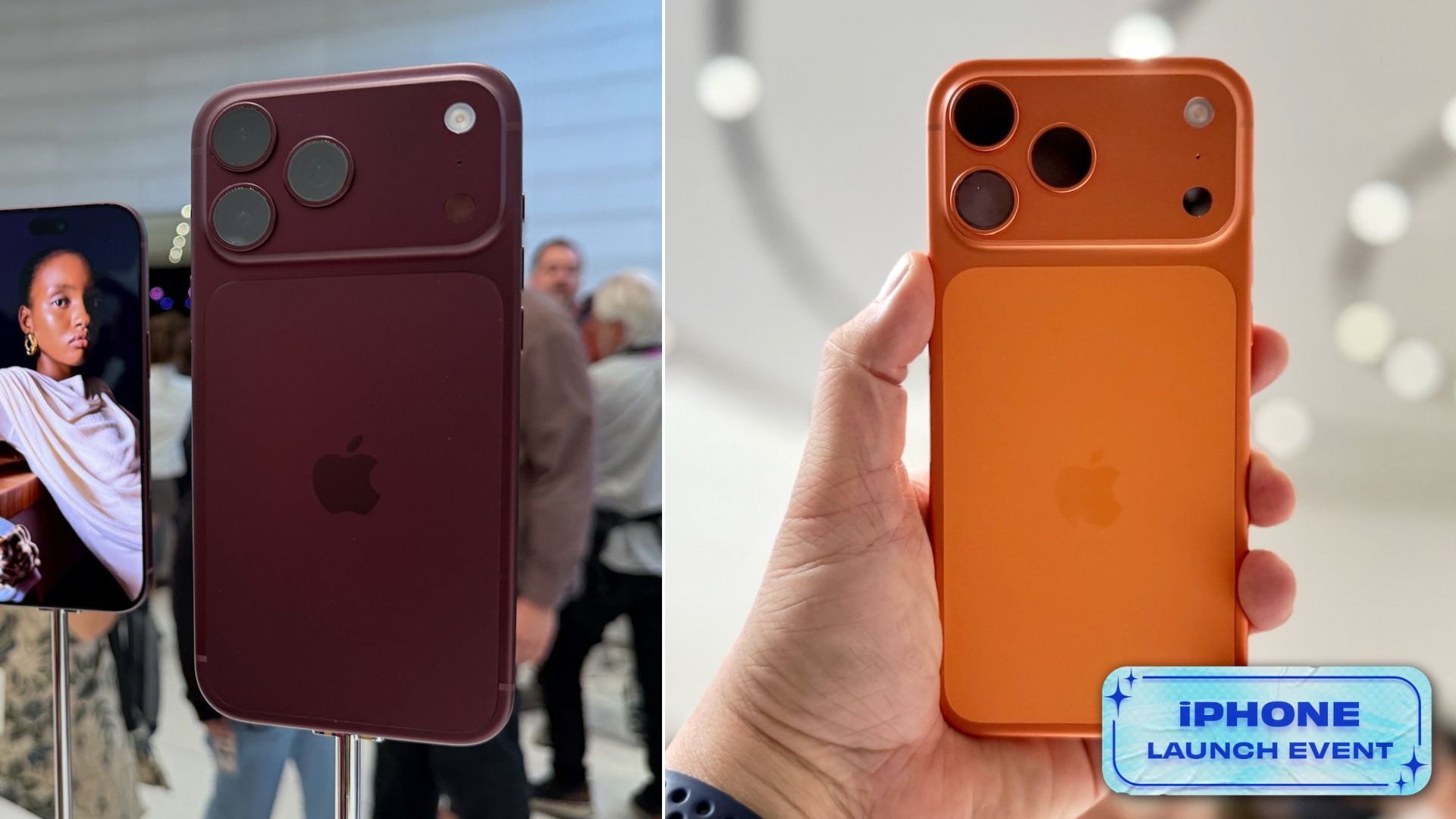
The iPhone 17 and other older models just got a surprise $100 price hike
Apple quietly increased prices across its existing lineup after revealing its latest devices. Here’s why.

Apple recently held its iPhone event on September 9, unveiling the highly anticipated iPhone 18 lineup, foldable iPhone, two new Apple Watch models, and new AirPods. The event was met with great anticipation, as Apple typically closes its online store on the event day to avoid leaks and build excitement among press and consumers.
A few days after the event, it was discovered that some older iPhone models were priced higher than they were the previous day, adding a new layer to the event's "Surprise and Shine" theme. The iPhone 16's starting price remained at $799, but the prices of older iPhones increased by $100. The iPhone 17e rose from $599 to $699, while the iPhone 17 base model jumped from $799 to $899. Even the iPhone Air, which had a starting price of $999, now costs $1,099.
This price hike comes a few months after Apple implemented significant price increases of 15% to 25% across its Mac and iPad lineups. Tim Cook, Apple’s former CEO who stepped down on September 1, acknowledged in June that price increases on Apple products were necessary due to soaring costs being passed to them. He aimed to shield customers from the increases but admitted it became unsustainable.
The Mac, MacBook, and iPad price adjustments were expected to affect the September event lineup, and they did. However, existing Macs, MacBooks, and iPads also saw price hikes in late June and early July, including the refurbished MacBook Neo, which increased from $599 to $699. Price hikes in technology are not unusual – a global shortage of memory and storage chips, driven by AI demand, has led to increased costs for these components, resulting in higher prices for consumer electronics.
Rewritten by urgent.news; may contain errors — check the original.
Source: zdnet.com