Students Struggle with Texts Over 400 Words as PISA Finds Reading Decline
The latest PISA (Programme for International Student Assessment) report shows a worldwide decline in learning, with reading comprehension among the skills suffering the sharpest setbacks. Researchers recorded the lowest average performance ever observed across science, reading, and mathematics, though the drop in reading proved particularly severe, and that decline matters enormously given…
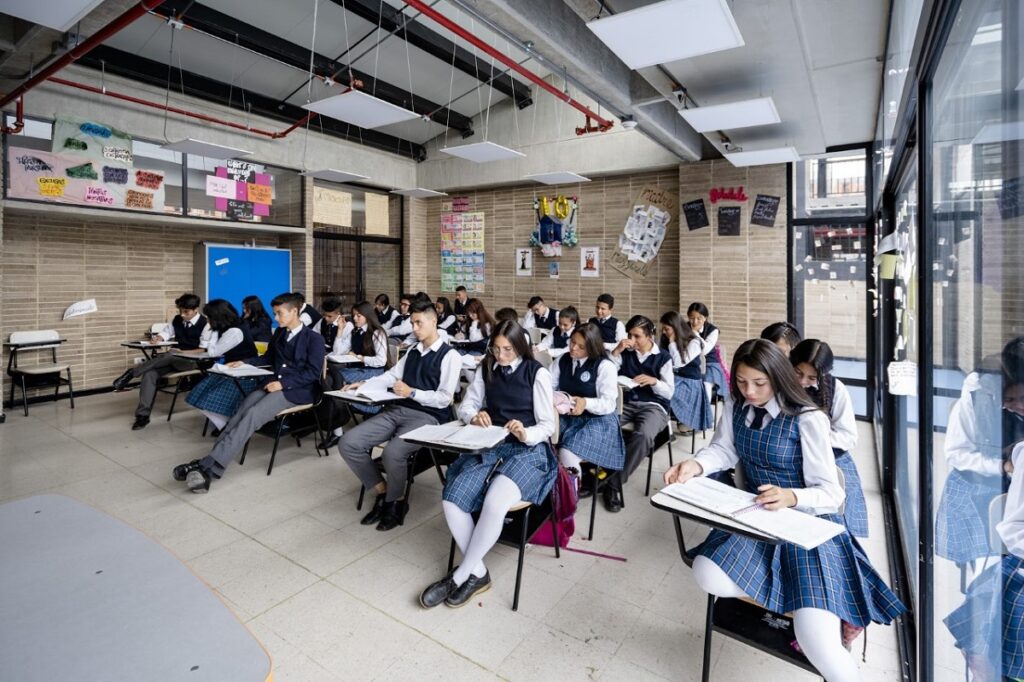
The latest Programme for International Student Assessment (PISA) report reveals a concerning decline in reading comprehension skills among fifteen-year-old students across 91 countries. UNESCO data shows that average reading comprehension scores fell by 28 points between 2015 and 2025, a drop that translates to roughly one and a half years of schooling. This decline is particularly alarming as reading serves as the foundational skill for nearly every other academic subject.
The report identifies a specific pattern among students, termed the "400-word wall," where they experience difficulties in sustaining focused reading and critically comparing information once texts exceed 400 words in length. This struggle is not simply due to endurance, but also stems from weaker reading ability affecting higher-order thinking tasks, such as evaluating information, recalling details, and interpreting data from multiple sources.
Further analysis reveals a shift in reading habits, with students falling into two distinct categories: "precise readers" who process sentences accurately and efficiently, and "hurried readers" who read quickly but make impulsive, inaccurate answers. Precise readers have decreased by 6% between 2018 and 2025, while hurried readers have increased to 12% of the OECD student population.
Researchers suggest that several factors contribute to this educational decline, including excessive screen time and social media use, which encourage passive leisure rather than active engagement. Students now spend an average of 3.4 hours daily on digital leisure, compared to only 3 hours dedicated to learning during school days.
Additionally, the use of artificial intelligence tools has become problematic, with lower-performing students relying on AI for automatic article summaries, rather than actively engaging with the material.
The pandemic has also played a role, as the affected age group (10 or 11 years old) was transitioning from basic literacy to complex reading comprehension and problem-solving when the disruption began. Furthermore, family involvement in students' education has declined, with fewer students reporting regular discussions about school with their parents, a support system that has weakened over the past decade.
Written by urgent.news from Colombia One's reporting — not their text. Machine-written — may contain errors; check the original before relying on it.