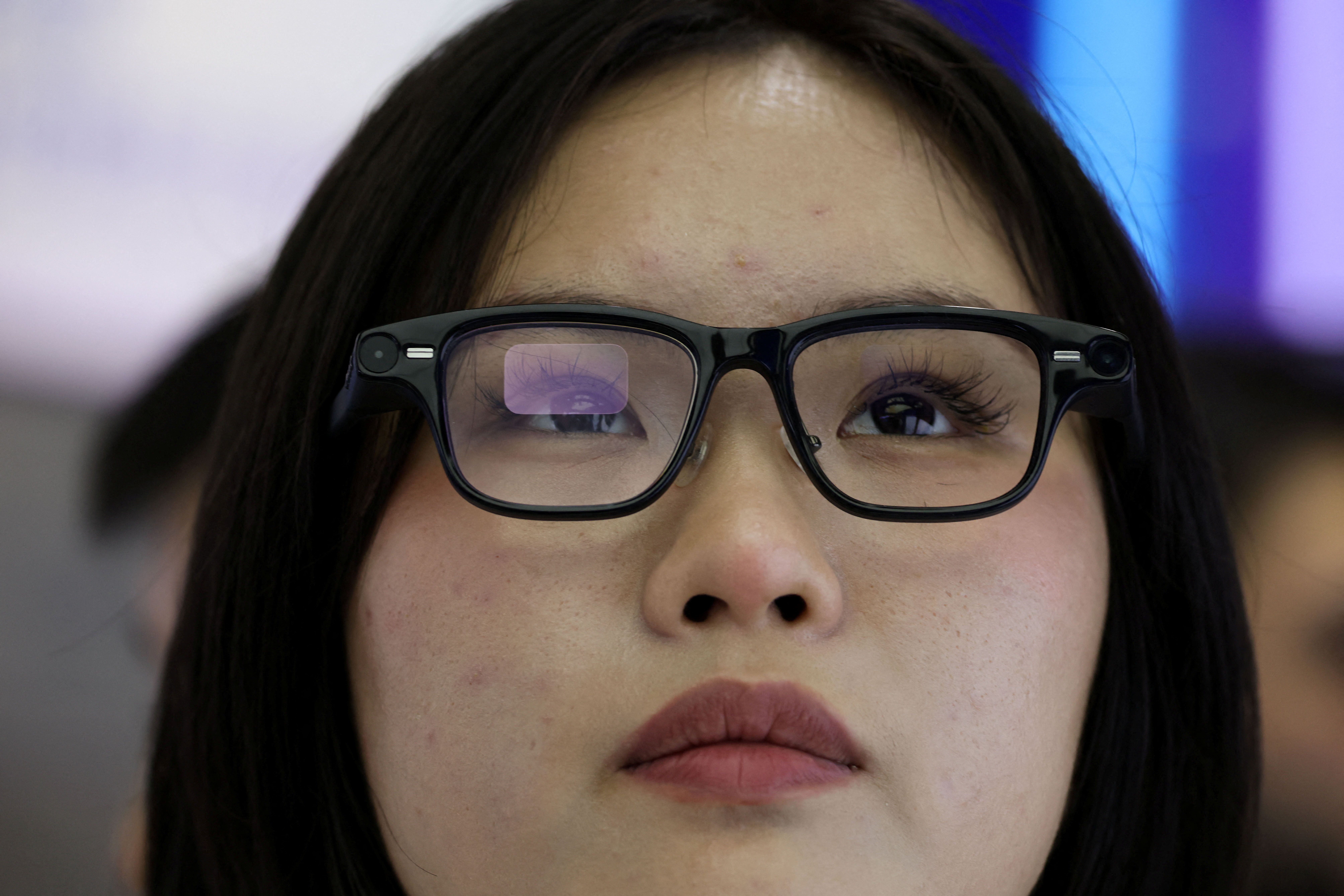
Students perform better academically with less AI, study finds
Students who refrain from using AI perform better academically than those who use it, according to an OECD report which surveyed more than 760,000 students across 91 countries.
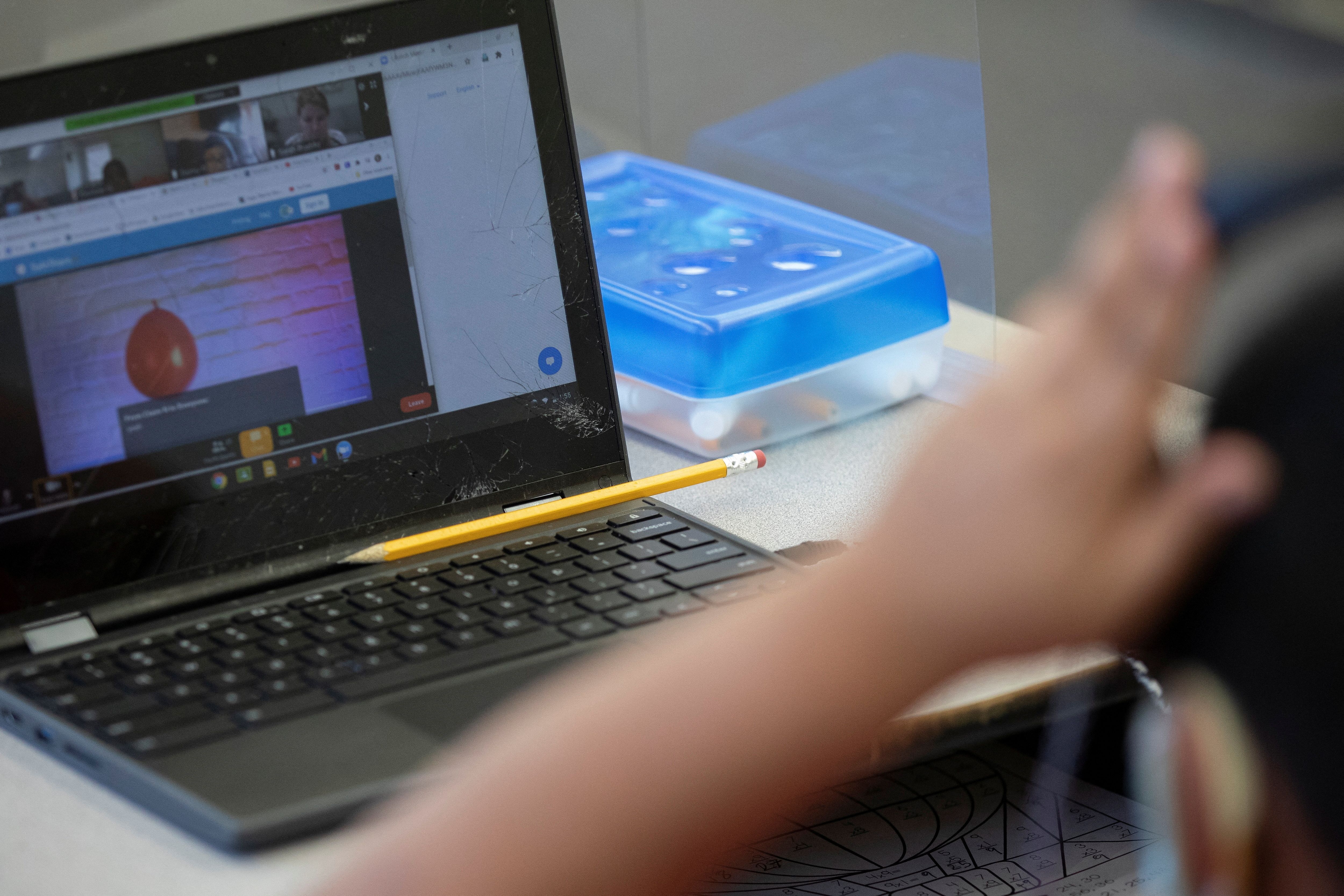
A recent study reveals that students achieve higher academic performance when they refrain from using AI, contradicting the belief that technology is essential for learning. The OECD researcher argues that "students won’t learn without exercising their brains," similar to how physical fitness requires physical activity, not merely watching others perform. With over 760,000 students surveyed from 91 countries, the findings indicate that consuming information without cognitive effort is an ineffective educational approach.
As technology was integrated into classrooms over the past decade, some educators are now reconsidering their approach. Twenty-two states and Washington DC have implemented phone bans during school hours, and for the first time this school year, New York City and Los Angeles public schools are imposing restrictions on AI usage, affecting more than 1 million students combined. This includes New York City prohibiting teachers from using AI to grade assignments.
Despite the widespread adoption of AI, reading, science, and mathematics scores have declined steadily over the past 15 years, even before the rise of AI in education. Experts suggest that learning is best facilitated offline, as was the case before the invention of personal computers. Moreover, the user-friendly nature of technology means that students often outpace their parents and teachers in understanding AI and smartphones.
Written by urgent.news from Semafor's reporting — not their text. Machine-written — may contain errors; check the original before relying on it.