Small, icy worlds in the outer solar system barely changed since birth
NASA's James Webb Space Telescope and Hubble took a census of dozens of tiny icy Kuiper Belt worlds, shedding light on early planet formation.
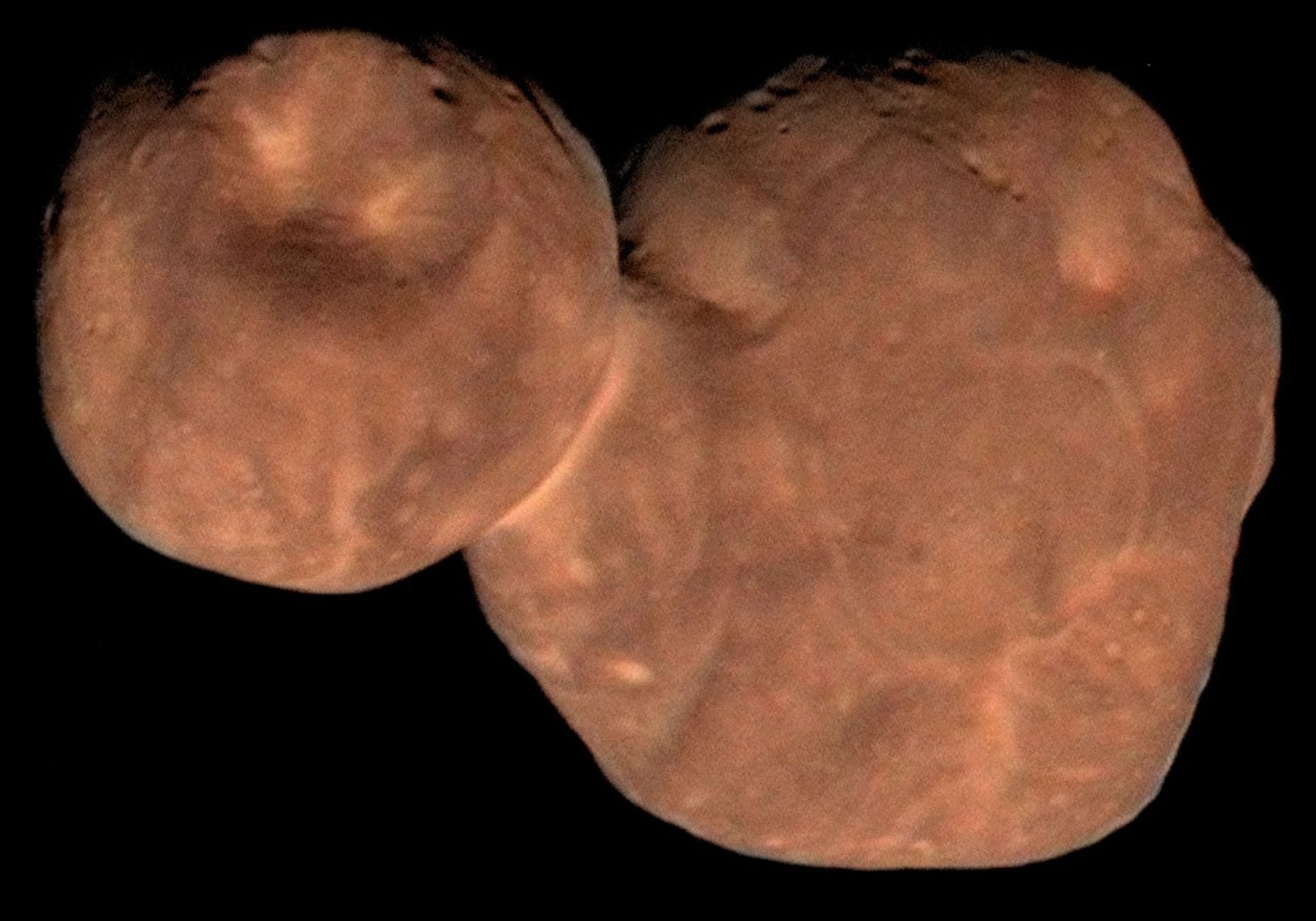
Tiny, icy worlds located at the outer edges of our solar system are providing scientists with valuable insights into the formation of planets similar to Earth. These distant, city-sized bodies, orbiting far beyond Neptune, have remained largely unchanged for billions of years due to their deep freeze. Until now, astronomers could only examine larger members of this population, including dwarf planets like Pluto and Arrokoth.
However, two recent studies have utilized NASA's James Webb Space Telescope and the Hubble Space Telescope to identify and analyze dozens of these tiny worlds, offering the most comprehensive census of these distant objects ever conducted.
The observations reveal that these tiny icy worlds are more numerous and varied than previously thought, challenging earlier theories about the formation process. While some expected collisions would alter the appearance and composition of these objects over time, the data shows only a slight increase in the number of small objects, indicating that most of the Kuiper Belt's mass is comprised of larger bodies.
This supports the idea that planets formed quickly, through the clumping and collapse of pebble-sized material in the early solar system, rather than slowly accumulating from dust through numerous collisions.
Furthermore, the color measurements of these distant worlds provide additional clues about their composition. The smaller objects in the more stable part of the outer belt exhibit a similar reddish hue to their larger counterparts, suggesting that they may contain complex organic compounds and certain ices that gradually darken and redden over billions of years due to cosmic radiation.
This preservation of the objects' original composition indicates that extreme changes in shape or size may not significantly alter their surface characteristics, offering a glimpse into the relatively unchanged nature of these ancient building blocks of planetary systems.
Written by urgent.news from Mashable's reporting — not their text. Machine-written — may contain errors; check the original before relying on it.