Psychologists find smartphone screenshots can cause a profound degree of “digital amnesia”
New research reveals that taking a screenshot on your smartphone makes you less likely to remember the image later. Unlike other memory aids, this "digital amnesia" doesn't free up your brainpower for other tasks—it just hurts your memory.
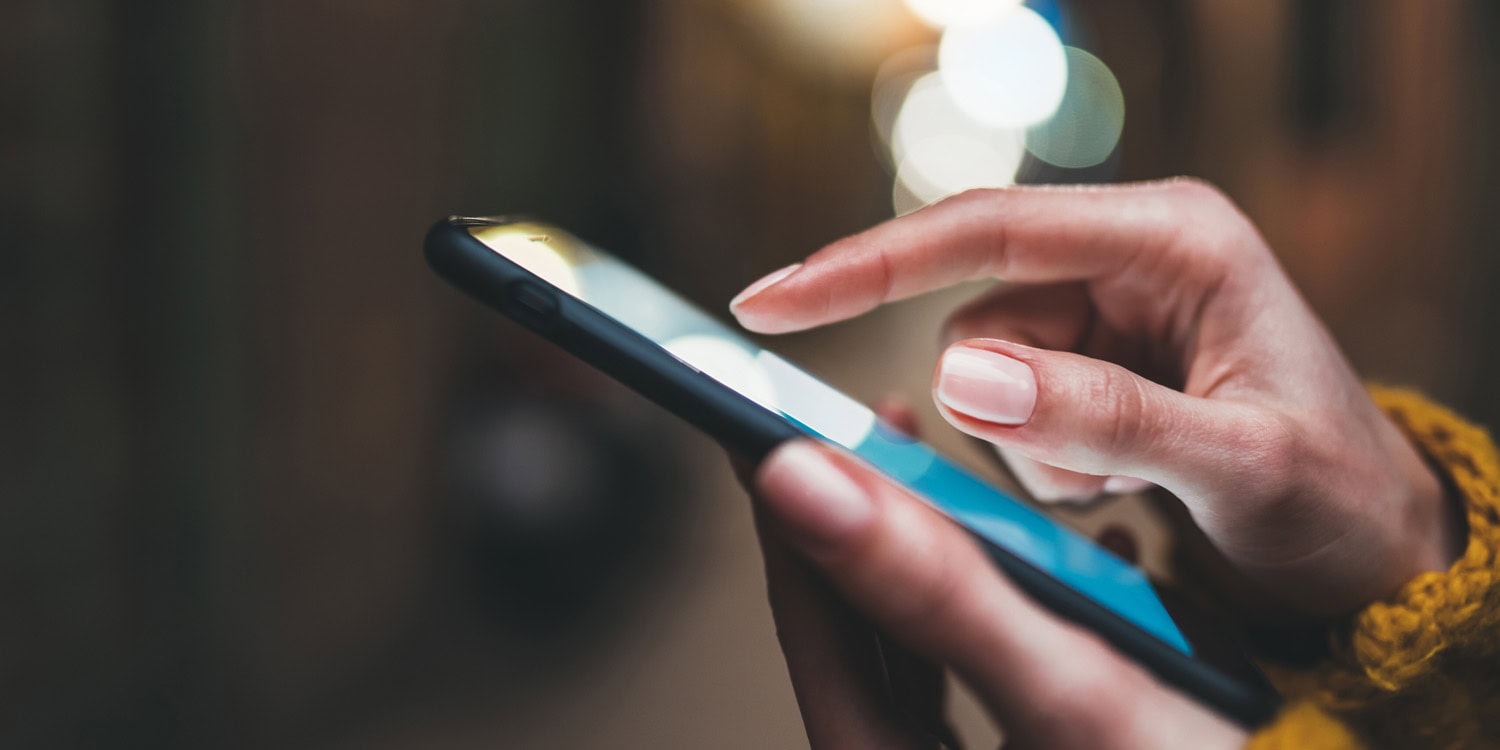
A recent study reveals that taking smartphone screenshots of images can cause a significant decline in our ability to recall those visuals later. This phenomenon, dubbed the "digital amnesia" effect, occurs despite no additional mental capacity being granted by the action. Seven separate experiments involving undergraduate students were conducted to examine the implications of this memory impairment.
In the initial experiment, 33 participants either viewed 44 pieces of visual art on their smartphones or took screenshots of them. They subsequently completed a coloring task followed by a memory test on a computer, where they were required to differentiate between the original art piece and two similar decoy images. The study found that participants' memory for the screenshotted images was notably worse compared to those they had merely viewed.
A subsequent experiment, involving 69 students, replicated this setup but added a source memory test. Participants had to identify whether they had originally viewed or screenshotted each image. The results indicated that participants showed poor source memory for the screenshotted items, correctly identifying their origin for only 53.5% of the cases, as opposed to 71.3% for the viewed images.
This suggests that screenshotting may not only hinder direct memory recall but also impair the broader context of the experience. Another experiment inquired if screenshotting could free up mental resources for other tasks. However, 129 students were divided into two groups; one that screenshotted 32 pieces of art versus the other that only viewed them.
Following this, both groups attempted to solve difficult math problems for a minute. Despite expectations of enhanced cognitive resources following screenshotting, there was no difference in math performance between the two groups. In later memory tests of the art, the screenshot group performed significantly worse than those who merely viewed the images.
The researchers suggest that screenshotting could function as a form of automatic cognitive offloading, where the brain perceives the image as securely stored, disengaging from memory retention. Consequently, this disengagement may free up cognitive resources for other tasks, but the initial memory penalty remains.
Written by urgent.news from PsyPost's reporting — not their text. Machine-written — may contain errors; check the original before relying on it.