Planning health like wealth
[The content of this article has been produced by our advertising partner.] Hongkongers may be increasingly conscious of staying healthy for longer, but awareness alone does not always lead to action. A new survey by Standard Chartered in collaboration with HKSH Medical Group (HKSH) found that nearly eight in ten high-net worth (HNW) Hongkongers have set health goals, while only 53 per cent have…
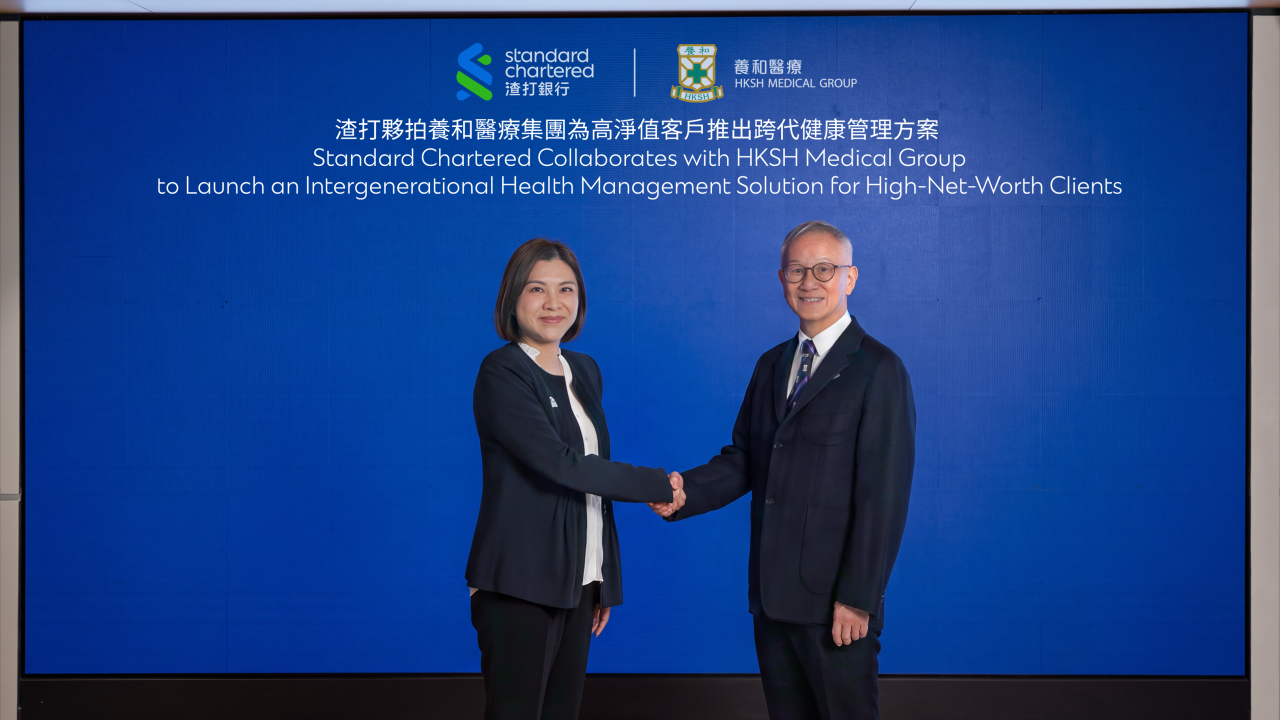
Hongkongers are increasingly mindful of maintaining their health for extended periods, but merely being aware does not guarantee they will take action. A recent survey conducted by Standard Chartered in partnership with HKSH Medical Group reveals that nearly eight in ten high-net worth (HNW) individuals in Hong Kong have set health objectives, yet only 53 percent have translated these intentions into a concrete action plan.
Living well for longer has gained prominence in a city famed for its population's longevity. While medical advancements and screening methods can aid in managing diseases and detecting health risks early on, awareness alone requires follow-through with regular check-ups, healthier habits, mental well-being, and understanding of personal family health risks.
The 2026 Hong Kong HNW Health & Wellness Study commissioned by Standard Chartered in collaboration with HKSH found that 96 percent of respondents viewed health and wealth as closely interconnected. However, the gap between setting goals and implementing a comprehensive health management plan indicates that awareness does not automatically translate into sustained action.
Once an individual puts a plan in place, action appears more consistent, with almost seven in ten adhering to their plan for at least half of the previous year.
Upon reaching the age of 30, most respondents believed it was appropriate to begin regular health examinations. Yet, their initial comprehensive check-up typically occurred at 33. Systematic health planning commenced at 38, while those aged 50 or above started averaging 45, a gap of more than twelve years compared to respondents under 50.
Family medical history can serve as additional motivation to initiate preventive care earlier. Nearly seven in ten respondents reported a family history of at least one chronic condition, and 99 percent of this group had taken at least one preventive measure, such as modifying their diet, undergoing regular check-ups, or monitoring health indicators.
Proactive prevention is becoming increasingly prevalent, with more families adopting forward-thinking methods to safeguard their long-term health. Dr Joseph Chan Woon-tong, Chief Medical Officer of HKSH Medical Group and Deputy Medical Superintendent of HKSH, highlights that individuals are increasingly undergoing routine health examinations and seeking personalized health management to detect potential risks before overt symptoms arise, enabling earlier intervention.
Eye health exemplifies the significance of follow-through in preventive care. While 85 percent of respondents had developed basic habits to safeguard their eyes, only four in ten had undergone a comprehensive eye examination within the previous year, and 14 percent had never received one. HKSH is expanding its family medicine services, aiming for every family to have a dedicated family doctor familiar with each member's health and medical history.
Dr Chan emphasizes that "family doctor care must be supported by regular health examinations," positioning comprehensive check-ups as the first line of defense in managing health as an asset.
Continuity in preventive care is crucial. While 98 percent of respondents desired a trusted family doctor who comprehends their family's health needs, only 51 percent currently possess a family doctor or healthcare team well-versed in their family's medical background. With knowledge of a person's family circumstances, lifestyle, and medical history, family doctors can offer personalized guidance, monitor health over time, and determine whether treatment or specialist referral is necessary.
Despite a tendency to seek health information from AI and social media, over eight in ten HNW respondents reported challenges in navigating the available information. They continue to value trusted professional advice that considers their individual circumstances, medical history, and clinical assessment. In fact, 99 percent expressed trust in private healthcare institutions and doctors when making significant healthcare decisions, aligning with Hong Kong's Primary Healthcare Blueprint, which reveals that only about 23 percent of the population have a designated family doctor.
The government's "Family Doctor for All" initiative aims to promote preventive care and long-term health management.
Written by urgent.news from SCMP Business's reporting — not their text. Machine-written — may contain errors; check the original before relying on it.