Peptides Are All the Rage, Promising Miracle Cures and Makeovers Delivered by Injection. How Did We Get Here?
Experts say the peptide craze is part of a broader phenomenon, as patients look beyond the regulated health system to address problems that doctors have struggled to treat
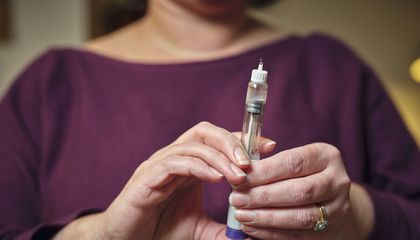
Peptides have recently become a popular subject in health and wellness circles, with promises of miracle cures and makeovers delivered via injection. Once hidden in online forums and dark web corners, these drugs are now openly sold and marketed by polished websites promising benefits like weight loss, younger-looking skin, and muscle repair. Silicon Valley devotees have even formed peptide parties to indulge in these chemicals, all in pursuit of sharper minds and sculpted bodies.
Peptides are short chains of amino acids, the building blocks of proteins, that carry specific instructions to cells. By linking amino acids in various sequences, the body produces peptides that perform a wide range of functions, including immune support, tissue repair, and appetite control. Synthetic copies or modified versions of these peptides are developed as medications, but many experimental peptides available online are unapproved by the FDA and openly sold with disclaimers such as "for research use only."
Despite the lack of research proving safety and effectiveness, peptides have gained a cult following. Nearly half of physicians surveyed said a patient had disclosed using an experimental peptide in the past year. This trend is amplified online, with peptide-related hashtags generating over 130,000 Instagram posts and 230 million TikTok views. People from all age groups share before-and-after pictures and trade custom combinations of peptides, creating a new type of consumer-driven healthcare system.
Peptides have historical significance as essential medications. The first was insulin, discovered in the 1920s to treat Type 1 diabetes. Since then, scientists have developed other peptides into drugs, but they remained tucked in specific corners of medicine. In the 2000s and 2010s, peptides began to spill beyond conventional medicine, with bodybuilders studying their effects on muscle growth and injury repair.
Online forums and messaging boards facilitated the exchange of notes and experiences, leading to self-experimentation and the promotion of "folk pharmacology."
The rise of GLP-1s in late 2022 marked a turning point. These drugs, which help people lose weight by curbing hunger and slowing digestion, received FDA approval, giving them clinical legitimacy. Their promise of dramatic weight loss gained mass appeal, normalizing rituals like self-injection and online purchase of copycat drugs.
This success reinforced the idea that health and wellness could be purchased, casting medical treatments as transactable goods. The rise of peptides reflects a larger transformation in American healthcare, a shift from diagnosis-driven to demand-driven medicine, where medical treatments are increasingly viewed as consumer products.
Written by urgent.news from Smithsonian's reporting — not their text. Machine-written — may contain errors; check the original before relying on it.


