Oil tops $100, stocks slide as Middle East tensions escalate
Brent crude tops $100 as Middle East conflict fuels inflation fears and rattles global stocks.
Brent crude prices reached a new high of $100.95 per barrel on Wednesday, as tensions in the Middle East heightened concerns about energy-driven inflation and caused global stock markets to plunge ahead of several key central bank announcements. Iran announced it had fired ballistic missiles at a U.S. base in Jordan, while both sides claimed to have attacked vessels, raising fears of disrupted oil supplies from the region.
Global stock markets suffered as energy price surges spurred worries that higher inflation may force central banks to maintain tighter monetary policies for an extended period. U.S. stock index futures dropped nearly half a percent, indicating another three days of losses for Wall Street. Economically sensitive banking and industrial stocks were among the steepest decliners in the pan-European STOXX 600 index, which fell 1.5% by midday GMT, on track for its biggest monthly decline in two months.
While Societe Generale's Manish Kabra noted that $100 is a psychological threshold for oil prices and that crude would need to surpass $150 to trigger a significant demand cycle downturn, he warned that if refined product prices did not fall, diesel costs could rise, potentially contributing to broader economic inflation. U.S. diesel prices recorded a record high last week due to a global supply crunch stemming from conflicts in Ukraine and Iran, affecting refineries in Russia and the Middle East.
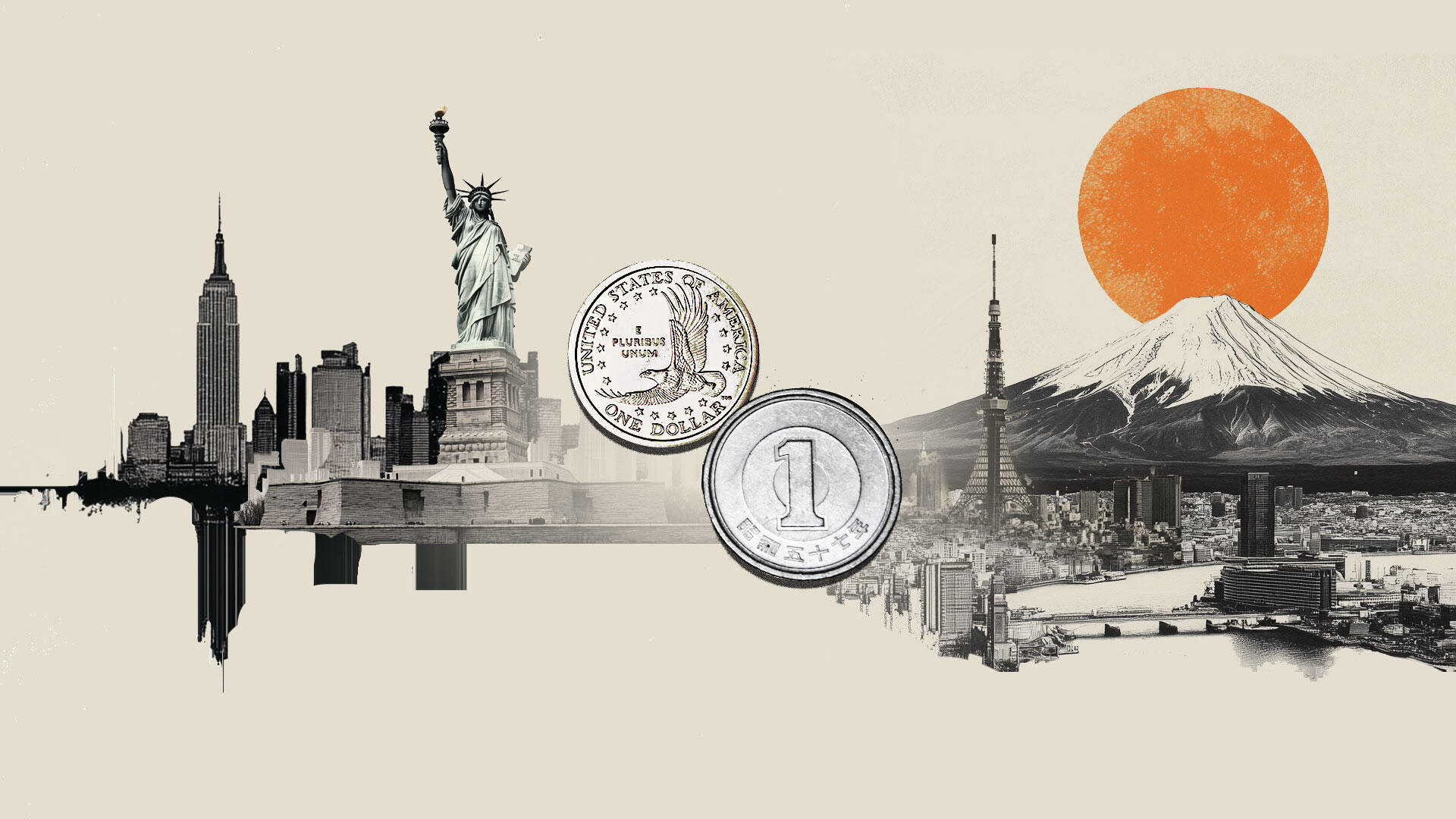
The euro gained strength ahead of the European Central Bank's policy decision on Thursday, with markets anticipating a rate hike amid inflationary pressures from the Iran war. The currency reached a nearly one-week high of $1.16493. Meanwhile, the yen strengthened towards a near seven-month high against the dollar as traders liquidated short positions in the Japanese currency, anticipating potential faster Bank of Japan rate hikes and capital repatriation.
Both Japan and the euro zone are significant energy importers. The 10-year U.S. Treasury yield, a benchmark for global borrowing costs, touched a near three-year high of 4.808%, signaling traders' increased expectations of a tighter monetary policy. Upcoming U.S. producer and consumer price reports are expected to provide crucial data on inflation trends to guide policymakers.
Traders assigned a 60% probability of a quarter-point increase or a hold from the Federal Reserve at their meeting next week, while being almost certain of a quarter-point rise from the Bank of Japan two days later. The euro edged 0.1% higher at $1.3558, while the Bank of England is scheduled to announce its latest monetary policy decision on Thursday, with economists predicting the key rate will remain unchanged for the rest of the year. Gold rose 1.1% to about $4,403 an ounce.
Written by urgent.news from SABC News's reporting — not their text. Machine-written — may contain errors; check the original before relying on it.
This story
This is one outlet's version. Read the fullest account.
- Oil tops $100, stocks slide as Middle East tensions escalate channelnewsasia.com